How to Make a Great Espresso Shot Every Time
If you’ve ever pulled an espresso shot that tasted overly sour, bitter, or just plain weak, you’re not alone. Tens of thousands of home baristas and cafe owners face the same challenge: how to get consistent, great-tasting espresso despite the many moving parts involved. This guide lays out the exact steps and principles used by experienced professionals to produce a balanced, flavorful espresso shot every time.
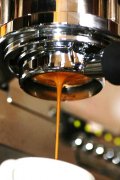
To make a good espresso, use a fine, uniform grind, a fixed dose around 16g for a double, 9 bars of stable pressure, a brew temperature near 91°C, and aim for a 25–30 second extraction yielding 45–55ml of liquid. These core variables, when controlled, form the foundation of quality espresso.
1. Grind Size & Consistency: The Foundation of Espresso Extraction
Espresso extraction requires high pressure, usually around 9 bars, which means your coffee grind must be very fine. But fineness alone isn’t enough — the particles need to be as uniform as possible. Uniformity ensures even pressure distribution across the coffee puck, leading to balanced extraction. A consistent grind reduces channeling and avoids uneven flavors in the cup.
The type of grinder you use makes a big difference. Commercial grinders typically feature one of two burr designs: flat (parallel) or conical. Flat burrs are known for producing a more uniform grind size, which is ideal for espresso. Conical burrs, while generally less uniform, spin at lower RPMs, generate less heat, and are often favored in high-volume commercial settings due to their speed and durability. Some baristas argue that the slight inconsistency of conical grinds can enhance complexity, though others associate it with off-flavors. Ultimately, it’s a matter of preference.
For home use with moderate volumes, a flat burr grinder is usually the better choice due to its superior consistency. In busy cafes, however, conical grinders are valued for their speed and heat management. If you’re serious about espresso at home, invest in a quality flat burr grinder. If upgrading, consider burr materials: high-hardness steel is standard, but ceramic resists heat better, and titanium offers increased durability.
2. Dose: Start with a Fixed Coffee Weight
One of the simplest ways to create consistency in espresso brewing is to fix your coffee dose and only adjust grind size. For a double shot — the most common espresso format — a standard dose is 16g. Keeping the dose constant allows you to focus on dialing in grind size and other variables without introducing unnecessary complexity. This approach also makes it easier to replicate results across different roasts or beans, whether you're pulling shots at home or in a cafe setting.
3. Tamping: Pressure & Technique
Tamping compresses the ground coffee into a puck to ensure even water flow during extraction. There are various schools of thought on tamping: some baristas tamp hard with a fine grind, others use lighter pressure with a coarser grind, and a minority skip tamping altogether. Each method can produce excellent espresso, but they require precise control over other variables like grind size or dose.
Skipping the tamp entirely is the most difficult and least forgiving technique. It demands finding an exact balance between grind size and dose to avoid inconsistent extraction. Most baristas, especially those new to espresso, are better off mastering basic tamping techniques first. Whether you tamp heavily or lightly, consistency in pressure and technique is far more important than any specific school of thought.
4. Pressure: Stable Pump Performance Matters
Espresso machines rely on pumps to generate the pressure needed for extraction. There are two main types: vibratory (vibration) pumps and rotary pumps. Vibratory pumps, common in home machines, are compact and affordable but deliver inconsistent pressure, often fluctuating between 1–15 bar even if labeled “15 bar” or “19 bar.” These fluctuations can introduce unwanted bitterness or uneven extraction, making it harder to produce high-quality espresso.
Rotary pumps, used in commercial and high-end home machines, maintain a stable, continuous pressure — usually right around 9 bars. This stability is one of the reasons rotary pump machines produce more consistent and cleaner shots. In addition, rotary pumps operate more quietly, avoiding the loud, cheap sound associated with many vibratory models. For serious espresso brewing, especially in a cafe environment, a machine equipped with a rotary pump is strongly recommended.
The ideal brewing pressure for espresso is generally accepted to be around 9 bars, though some theories suggest a range of 9±1, 9±0.5, or even 9±2. For simplicity, we recommend aiming for a stable 9 bars throughout the extraction.
5. Temperature: Control for Balance
Water temperature has a profound effect on espresso flavor. Higher temperatures tend to accentuate bitterness and suppress acidity, while lower temperatures highlight acidity but may reduce body and sweetness. For most espresso blends, a brew temperature around 91°C is a solid starting point. Lighter roasts often benefit from slightly higher temps, while darker roasts perform better at lower temperatures.
Home espresso machines often struggle with temperature stability. Many use small boilers or heating blocks that allow temperature swings of up to 10°C during a single shot. Even commercial heat-exchange machines may see 4–8°C variations. In contrast, dual-boiler or multi-boiler machines with PID (proportional-integral-derivative) temperature controllers offer much better stability. For example, the La Marzocco Linea PB or similar setups can hold temperature within 0.5°C, and premium machines like the Synesso or Slayer can achieve ±0.1°C consistency — a level of control that matches the sensitivity of human taste, which can only detect temperature differences above about 0.3°C.
6. Yield: Standardizing Your Extraction Volume & Time
Controlling the volume and time of your espresso extraction increases your chances of success. While experienced baristas can adjust based on flow color and rate, beginners should start with established parameters:
- Single espresso: 25–30 seconds, 25–35ml
- Double espresso: 25–30 seconds, 45–55ml
These ranges help standardize your brewing process while allowing room for adjustment as you gain experience. Sticking to a fixed yield and time provides a reliable framework until you’re confident enough to fine-tune based on visual cues and taste.
7. Machine Build: Material & Heat Retention
Beyond pumps and boilers, the physical construction of your espresso machine plays a critical role. Materials like copper and stainless steel are preferred for their thermal properties. Copper excels at heat conductivity and distribution, helping maintain a stable temperature even with rapid use. It’s also highly malleable, reducing the risk of metal fatigue. Stainless steel, while slightly less conductive, offers superior hygiene and durability — and is more common in modern machines.
Avoid machines made with plastic or aluminum components, especially in high-heat areas. While these materials are common in inexpensive home machines, they can negatively impact temperature stability and longevity. For best results, choose a machine built with quality metals designed to handle the thermal demands of espresso extraction.
Frequently Asked Questions
What is the ideal grind size for espresso?
The ideal espresso grind is very fine and uniform. While exact settings vary by grinder, the goal is a powder-like consistency that allows for proper resistance during extraction under 9 bars of pressure. Uniformity is just as important as fineness to ensure even extraction and avoid channeling.
How much coffee should I use for a double espresso?
A standard double espresso dose is 16g of coffee. Keeping the dose fixed helps simplify the brewing process and makes it easier to adjust other variables like grind size and extraction time.
What is the best water temperature for espresso?
Most espresso recipes call for a brew temperature around 91°C. Lighter roasts can handle slightly higher temperatures, while darker roasts often perform better at lower temps. Stability is more important than hitting an exact number.
How long should an espresso shot take to pull?
A standard double espresso should take between 25 and 30 seconds to extract. Within that time window, you should aim for a yield of 45–55ml. Timing and volume together determine the balance of your shot.
Does tamping pressure really affect espresso flavor?
Yes. Tamping affects how evenly water flows through the coffee puck. Inconsistent or improper tamping can lead to channeling, under-extraction, or over-extraction. Use consistent pressure and technique for the best results.
Is a rotary pump better than a vibratory pump for espresso?
Yes. Rotary pumps provide stable, continuous pressure (usually around 9 bars), resulting in more consistent extractions. Vibratory pumps are common in home machines but often deliver fluctuating pressure, which can negatively impact flavor and clarity.
Recommended FrontStreet Blends for Espresso
For espresso lovers, FrontStreet Coffee offers several outstanding blends. The Classic Blend is tailored for espresso and milk drinks, delivering rich crema and a smooth, approachable profile even with non-professional equipment. The Black Cocoa Blend is a cost-effective, full-bodied option with bold flavors ideal for cafes watching budgets. The Commercial Blend is another solid workhorse, offering reliable taste and cost efficiency for high-volume settings. All three are optimized for espresso brewing and widely used in both home and professional environments. Freshly roasted within 5 days · Orders placed before 17:00 ship the same day · Next-day delivery across most of Guangdong Province.
FrontStreet Coffee is a long-established specialty coffee roaster in Guangzhou China, selling freshly roasted beans from its own farm in Yunnan as well as dozens of carefully selected single-origin beans from around the world for both pour-over and espresso. The products deliver consistently excellent quality and great value, with shipping within 24 hours. Guangzhou's FrontStreet Coffee shop is recommended by many coffee lovers, and the beans are now available online at the Tmall 。
Important Notice :
前街咖啡 FrontStreet Coffee has moved to new addredd:
FrontStreet Coffee Address: 315,Donghua East Road,GuangZhou
Tel:020 38364473