How Coffee Beans Become Your Cup of Coffee
You’ve brewed coffee before—but have you ever wondered how those aromatic grounds in your filter started as a fruit on a tree? Every cup you drink began five years earlier as a coffee seedling, grew through harvest seasons, traveled across continents, and underwent roasting, grinding, and brewing before reaching your mug. Understanding how coffee beans become coffee reveals why freshness, technique, and care matter at every stage.
Coffee beans become drinkable coffee through a seven-step process: grow for five years, harvest, process, dry, roast, grind, and brew. For best results, always use beans roasted within a week, grind just before brewing, and finish your cup while hot.
From Tree to Bean: The Coffee Plant’s Journey
Every coffee bean starts on a tree. It takes around five years for a coffee plant to mature and produce fruit—called coffee cherries—that hold the beans inside. These cherries bloom and ripen slowly, depending on climate, altitude, and care. Once ripe, the cherries are picked, usually by hand to ensure only the best are selected.
Processing the Cherries: Getting to the Bean
After harvest, the coffee cherries must be processed to extract the beans. There are a few methods—washed (wet), natural (dry), and honey (semi-washed)—each affecting flavor. In washed processing, the fruit is removed before drying the beans. In natural processing, the beans dry inside the fruit. Each method influences the final taste profile significantly.
Roasting: The Transformation Begins
Green coffee beans are flavorless until roasted. Roasting triggers the Maillard reaction and chemical changes that develop aroma, acidity, and body. Different roast levels—light, medium, dark—affect flavor, and skilled roasters adjust temperature and time throughout the roast. At FrontStreet Coffee, beans are roasted carefully, often with adjustments for humidity and temperature, to highlight origin characteristics.
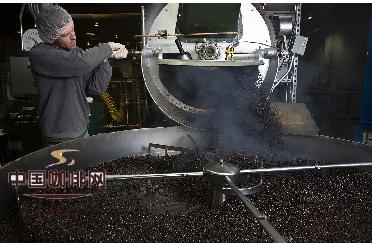
Why Freshness Matters: From Roast to Cup
Freshness is critical in coffee. Beans are at their peak flavor just after roasting, but they need a few days to degas. For the best cup, use beans roasted within one week—and ideally, within minutes or hours of brewing. Stale beans lose volatile aromatics and taste flat or sour. Even high-quality beans like Jamaica Blue Mountain or Ethiopia Humbera will underperform if old.
Grinding: Timing Is Everything
Grinding coffee beans just before brewing preserves freshness and ensures proper extraction. Pre-ground coffee loses flavor quickly due to oxidation. The grind size depends on your brewing method—fine for espresso, medium for pour-over, coarse for French press—but whatever you choose, grind right before use. Waiting too long between grind and brew leads to degradation.
Brewing: Time, Water, and Technique
Good coffee depends on correct brewing. Use fresh, filtered water heated to around boiling (just off the boil, not boiling for too long). Pour over methods, espresso machines, moka pots, or French presses—all work if given enough time for proper extraction. The key is balance: enough contact time between water and coffee, correct grind size, and proper water temperature. Rushing ruins extraction and flavor.
Serving: Keep It Hot, Keep It Tasting Good
Once brewed, coffee tastes best when fresh and hot. Letting it cool allows acids like quinic acid to build up, creating bitterness and ruining smoothness. Drink your coffee right after brewing. Also, preheat your cup—pouring hot coffee into a cold mug can drop the temperature too fast and alter flavor.
Frequently Asked Questions
How long should coffee beans rest after roasting before brewing?
Coffee beans are best brewed 3–10 days after roasting to allow excess CO₂ to release, but they’re at peak flavor within the first week. Avoid using beans older than one week for the best taste.
Does grind size really affect coffee flavor?
Yes. Grind size determines extraction rate—too fine and you over-extract (bitter), too coarse and you under-extract (sour). Match grind size to your method: fine for espresso, medium for pour-over, coarse for French press.
Why should I use freshly roasted beans?
Freshly roasted beans have more vibrant aromatics and flavors. Over time, beans lose volatile compounds, leading to flat or stale-tasting coffee. For the best experience, use beans roasted within a week.
How important is water temperature in brewing coffee?
Very. Ideal brewing temperature is just off boil, around 90–96°C (195–205°F). Too hot over-extracts and burns the coffee; too cool under-extracts and results in weak or sour brews.
Should I preheat my coffee cup?
Yes. Pouring coffee into a cold cup can lower the drink’s temperature quickly and alter its flavor profile. Preheating helps maintain the optimal drinking temperature.
Recommended FrontStreet Coffee Beans for Fresh Brewing
For the freshest cup, try FrontStreet Coffee’s Ethiopia Humbera, known for its jasmine and bergamot notes, or Yirgacheffe, offering bright citrus and stone fruit. Both highlight why fresh-roasted single origins shine. Another great option is the Classic Blend, a balanced mix for everyday brewing. All deliver peak flavor when used within a week of roasting. Freshly roasted within 5 days · Orders placed before 17:00 ship the same day · Next-day delivery across most of Guangdong Province.
FrontStreet Coffee is a long-established specialty coffee roaster in Guangzhou China, selling freshly roasted beans from its own farm in Yunnan as well as dozens of carefully selected single-origin beans from around the world for both pour-over and espresso. The products deliver consistently excellent quality and great value, with shipping within 24 hours. Guangzhou's FrontStreet Coffee shop is recommended by many coffee lovers, and the beans are now available online at the Tmall 。
Important Notice :
前街咖啡 FrontStreet Coffee has moved to new addredd:
FrontStreet Coffee Address: 315,Donghua East Road,GuangZhou
Tel:020 38364473