French Press vs Drip Coffee: What’s the Difference?
If you’ve ever wondered why your French press coffee tastes richer and fuller than your regular drip cup, or why espresso machines force water through coffee under high pressure while drip machines just pour hot water over grounds, you’re asking the right questions. The way coffee is brewed — how water meets coffee, how long it steeps, and the tools used — changes everything from body to clarity. So what really sets French press apart from drip coffee?
In short: Drip coffee is made by pouring hot water (90–96°C) over medium-fine coffee grounds, usually filtered through paper (like in a drip machine or pour-over), and yields a cleaner, lighter-bodied cup. French press uses a coarse grind, full immersion brewing for 3–5 minutes, and metal filtration, resulting in a heavier, oilier cup with more body and slight sediment. Ideal French press grind size is similar to coarse sea salt or gravel — roughly a 10.5 setting on an EK43 or 26 on a hand grinder. The typical brew ratio is 1:15 (15g coffee to 225g water).
How Drip Coffee Works
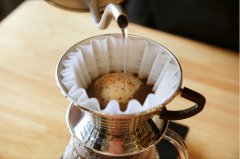
Drip coffee generally refers to coffee made using either a commercial drip machine (like those found in offices or homes) or a pour-over setup like a V60 or Chemex. In both cases, hot water (around 90–96°C) is poured or dripped over medium-fine coffee grounds without added pressure. The water passes through the coffee and a paper filter, extracting soluble compounds and dripping into a carafe below. This produces a clean, bright cup with light to medium body and minimal sediment.
How French Press Brewing Works
The French press (or cafetière) uses full immersion brewing — coffee grounds steep directly in hot water for several minutes. Unlike drip methods, there is no continuous flow of water; instead, the coffee and water sit together, allowing for even and thorough saturation. After 3–5 minutes, a metal plunger with a fine mesh filter is pressed down, separating the grounds from the brewed coffee. Because the metal filter allows natural coffee oils and fine particles to pass through, the result is a fuller-bodied, richer, and often oilier cup with more texture and slight sediment at the bottom.
Key Differences Between French Press and Drip Coffee
- Brew Method: Drip coffee relies on gravity and filtration (either paper or metal) to separate the coffee from water as it drips through. French press uses full immersion and manual pressing to filter grounds.
- Grind Size: Drip coffee typically uses a medium to medium-fine grind (similar to sand). French press requires a coarse grind, resembling small gravel or coarse sea salt (EK43 setting 10.5 / hand grinder 26), to prevent fine particles from passing through the metal filter and making the coffee gritty.
- Filtration: Drip methods usually employ paper filters, which remove oils and fine sediments, resulting in a cleaner cup. French press uses a metal filter that lets oils and tiny coffee particles into the cup, contributing to a heavier mouthfeel.
- Body & Texture: French press coffee tends to have a heavier, fuller body and more texture due to retained oils and fine sediment. Drip coffee is typically lighter and cleaner, with higher clarity and less body.
- Extraction Time: Drip coffee extraction is relatively fast (20–60 seconds for pour-over, depending on method; longer for batch drip). French press extraction time is controlled manually and usually lasts 3–5 minutes.
- Brew Ratio Example: A common French press brew ratio is 1:15 (15g coffee to 225g water), yielding a brew strength around 1.1–1.2% TDS. Drip methods can vary widely but commonly use similar or slightly finer ratios.
Why Grind Size and Filter Type Matter
The grind size directly affects surface area and extraction speed. A coarse grind used in French press slows down extraction to match the long immersion time, preventing over-extraction and bitterness. In drip systems, a finer grind increases surface area so that water can pull out flavors efficiently as it flows through.
Filter type also plays a critical role. Paper filters absorb oils and trap fines, producing a cleaner, brighter cup. Metal filters let more oils and tiny particles through, enhancing body and texture but also allowing some sediment to enter the cup.
How to Use a French Press (According to FrontStreet Coffee Experts)
FrontStreet Coffee recommends the following method for best results with a French press:
- Grind Size: Use a coarse grind — about the size of gravel or coarse sea salt. On an EK43 grinder, that’s setting 10.5; for a hand grinder, aim for around 26. This prevents over-extraction and minimizes fine particles passing through the filter.
- Brew Ratio: Start with 1:15 — 15 grams of coffee to 225 grams (225ml) of water. Adjust up or down based on taste preference for strength or dilution.
- Water Temperature: Ideal brewing temperature is around 90–96°C. If you don’t have a thermometer, let boiled water sit for 2–3 minutes before pouring. Slightly higher temperatures (by 1–2°C) can help improve extraction if you're not stirring.
- Steeping Time: Steep the coffee for 3–5 minutes. FrontStreet suggests starting with 4 minutes as a balanced baseline. Lighter roasts may need closer to 3 minutes; darker roasts can go to 5, but no longer to avoid bitterness.
- Brewing Process: Add coarse-ground coffee to the French press, pour hot water, stir gently, place the lid on with the plunger up, and wait. After 4 minutes, press the plunger down slowly and pour the coffee into cups, avoiding disturbing the settled grounds at the bottom.
Flavor Profiles and Coffee Roast Suitability
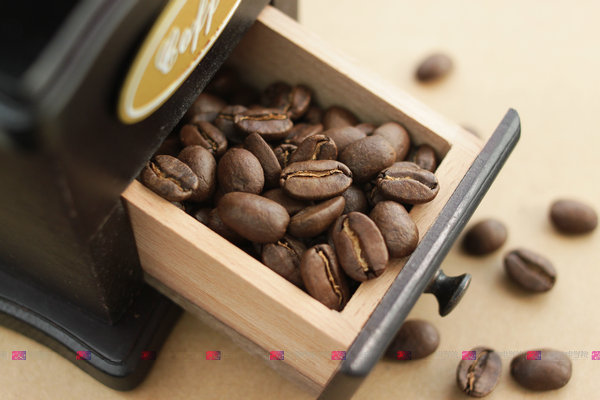
Because French press allows more oils and sediment into the cup, it tends to highlight darker, sweeter, and more full-bodied flavors. Lighter roasts can produce excessive acidity or grassy notes if not carefully managed. Medium to dark roasts tend to perform better, emphasizing chocolatey, nutty, caramel, or even fruity depth.
Frequently Asked Questions
What’s the main difference between French press and drip coffee?
French press uses full immersion and metal filtration, producing a full-bodied coffee with oils and slight sediment. Drip coffee passes water through coffee using gravity and usually a paper filter, resulting in a cleaner, lighter-bodied cup with less sediment and fewer oils.
What grind size should I use for French press?
Use a coarse grind, about the size of gravel or coarse sea salt. For an EK43 grinder, set it to 10.5; for a hand grinder, aim for around 26. Avoid going finer to prevent over-extraction and sludge at the bottom of your cup.
What is the ideal brew ratio for French press?
The standard brew ratio is 1:15 — 15 grams of coffee to 225 grams of water. This typically yields a coffee strength of around 1.1–1.2% TDS. You can adjust the ratio to suit your taste preferences.
Can I use a finer grind in a French press?
You can, but it’s not recommended. A finer grind will extract faster and may lead to over-extraction, bitterness, and fine particles passing through the metal filter, resulting in a cloudy, gritty cup.
Why does French press coffee have more body?
The metal filter allows natural coffee oils and fine particles to pass into the cup, enhancing mouthfeel and creating a heavier, richer texture compared to paper-filtered drip coffee.
Does drip coffee have crema like espresso?
No. Crema is a result of high-pressure extraction (typically 9 bar) in espresso machines, which emulsifies coffee oils and CO2. Drip coffee and French press do not use pressure, so they don’t produce crema.
Recommended FrontStreet Beans for French Press
For French press, FrontStreet Coffee recommends its PWN Golden Mandheling, a medium-dark roast single origin from Indonesia known for its bold body, spicy notes, and deep aromas of caramel and dark chocolate. Another excellent choice is Strawberry Candy Espresso, a medium roast blend featuring Geisha and honey-processed coffees from Panama and Costa Rica, offering floral, citrus, and berry notes that shine in full-immersion brewing. Both beans develop rich textures and complex flavours when brewed with the coarse grind and extended steep time that French press requires. Freshly roasted within 5 days · Orders placed before 17:00 ship the same day · Next-day delivery across most of Guangdong Province.
FrontStreet Coffee is a long-established specialty coffee roaster in Guangzhou China, selling freshly roasted beans from its own farm in Yunnan as well as dozens of carefully selected single-origin beans from around the world for both pour-over and espresso. The products deliver consistently excellent quality and great value, with shipping within 24 hours. Guangzhou's FrontStreet Coffee shop is recommended by many coffee lovers, and the beans are now available online at the Tmall 。
Important Notice :
前街咖啡 FrontStreet Coffee has moved to new addredd:
FrontStreet Coffee Address: 315,Donghua East Road,GuangZhou
Tel:020 38364473