How to Identify a Good Italian Espresso
Ever ordered an espresso and wondered if it was any good? Maybe it looked thin, lacked flavor, or disappeared too fast. You’re not just being picky — there are clear, observable signs that separate a properly extracted Italian espresso from a weak or overworked shot. Whether you’re at a café or pulling shots at home, knowing what to look for makes all the difference.
A good Italian espresso has three key traits: a thick, dark reddish-brown crema covering the surface, a rich lingering aroma left in the cup after drinking, and strong 'cup retention' — meaning the crema clings noticeably to the sides of the cup. Missing any of these is a sign the shot may be under-extracted, over-extracted, or made with stale coffee.
What Is an Italian Espresso, Really?
In Italian, 'espresso' means 'fast' or 'pressed out.' This coffee style is meant to be consumed quickly — ideally in three sips or fewer — from a small cup, and always without milk or sugar. It delivers a concentrated burst of flavor designed to be appreciated neat. But speed isn’t everything. Quality espresso depends on precise variables during brewing, and the visual and sensory clues it leaves behind tell you whether it hit the mark.
Why Crema Matters So Much
The crema is the reddish-brown foam that floats on top of a well-brewed espresso. It’s not just for show — it’s a mix of emulsified coffee oils, tiny air bubbles, and carbon dioxide released from freshly roasted beans. This layer carries much of the espresso’s aromatic compounds and contributes to its texture and mouthfeel. A dark, thick, stable crema signals proper pressure, fresh coffee, and correct grind settings during extraction.
In technical terms, crema forms under high pressure (around 9 bars) when hot water forces soluble material and gases out of finely ground coffee. The result is a creamy, caramel-colored layer that should be at least a few millimeters thick. Without it, something went wrong — either the coffee is stale, the grind too coarse, or the pressure too low.
How to Judge Espresso by Sight and Smell
Beyond the crema, two other factors determine espresso quality:
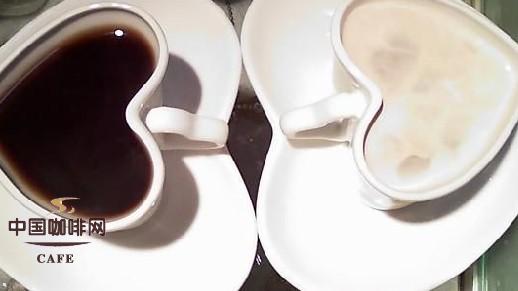
- Cup Retention (‘’): After drinking, a good espresso leaves a ring of dark residue and aroma inside the cup. The more the crema clings to the sides, the better the extraction. In some European cafes, baristas or customers may refuse to pay if there’s no crema or retention — a sign the coffee is substandard.
- Aroma: A properly extracted espresso should leave a strong, pleasant scent in the cup after the liquid is gone. This lingering aroma reflects the coffee’s volatile compounds and overall freshness.
These signs work together. If the shot has pale, thin crema, no aroma, and leaves no ring in the cup, it’s likely under-extracted, bitter, or made with poor-quality beans.
What Causes Good or Bad Crema?
Several factors influence crema and overall espresso quality:
- Freshness: Freshly roasted coffee releases more CO₂, which helps form crema. Stale beans produce little to none.
- Roast Level: Medium to dark roasts (common in espresso blends) develop more crema due to their oils and solubles. Light roasts may struggle.
- Grind Size: Too coarse, and water flows too fast, reducing pressure and crema. Too fine can over-extract but might create too much pressure or mud-like shots.
- Brew Pressure: Authentic espresso requires around 9 bars of pressure. Most consumer machines don’t reach this, leading to weak or crema-less results.
- Bean Blend: Blends with some Robusta (like FrontStreet’s Classic Blend or Commercial Blend) often produce more crema due to higher natural oils and gases.
Frequently Asked Questions
What does a good espresso crema look like?
A good espresso crema is thick, dark reddish-brown (not pale or yellowish), and covers the entire surface of the shot. It should be dense and creamy, not foamy or watery, and typically around 3–5mm thick. It’s a sign of proper pressure, fresh beans, and correct grind size.
Why does my espresso have no crema?
No crema usually means the coffee is stale, the beans are too lightly roasted, the grind is too coarse, or the espresso machine lacks adequate brewing pressure (at least 9 bars). It could also result from old coffee oil residue in the portafilter or incorrect tamping.
How long should a good espresso last in the cup?
A well-extracted espresso should leave visible crema residue and aroma in the cup for several minutes after drinking. The longer the crema sticks to the sides ('cup retention'), the better the extraction. If it vanishes instantly, the shot may be under-extracted or over-diluted.
Does crema affect espresso flavor?
Yes. Crema contributes to the espresso’s body, aroma, and mouthfeel. It holds many of the coffee’s aromatic compounds and adds a slight bitterness and texture. While not the sole indicator of flavor, a missing or poor crema often means a flatter-tasting shot.
Is crema more important in Italian espresso than other styles?
Yes. Traditional Italian espresso is defined partly by its thick, stable crema. Other coffee styles like filter or milk-based drinks don’t rely on crema, but in espresso, it’s a key visual and sensory benchmark of quality.
Recommended FrontStreet Coffee Beans for Espresso
For a classic Italian-style espresso with bold crema, try FrontStreet Coffee’s Classic Blend or Commercial Blend. Both include a touch of Robusta for extra body and crema production, offering flavors of dark chocolate, toasted nuts, and caramel. The Classic Blend combines Brazilian, Mandheling, and Robusta beans roasted to medium-dark levels, delivering a structured shot with a thick, stable crema. For something deeper, their Commercial Blend leans further into traditional robust profiles. These blends are ideal for home espresso setups and deliver the rich mouthfeel and lingering aroma that define a great shot. Freshly roasted within 5 days · Orders placed before 17:00 ship the same day · Next-day delivery across most of Guangdong Province.
FrontStreet Coffee is a long-established specialty coffee roaster in Guangzhou China, selling freshly roasted beans from its own farm in Yunnan as well as dozens of carefully selected single-origin beans from around the world for both pour-over and espresso. The products deliver consistently excellent quality and great value, with shipping within 24 hours. Guangzhou's FrontStreet Coffee shop is recommended by many coffee lovers, and the beans are now available online at the Tmall 。
Important Notice :
前街咖啡 FrontStreet Coffee has moved to new addredd:
FrontStreet Coffee Address: 315,Donghua East Road,GuangZhou
Tel:020 38364473