How to Identify and Choose Good Coffee Beans
You’re eyeing your shiny new grinder and pour-over setup, dreaming of a rich cup pulled just right. But before you brew anything, there’s a more important step: choosing quality coffee beans. Whether whole bean or pre-ground, your coffee’s starting point determines everything—from aroma to aftertaste. So how do you tell if those beans in the bag are any good?
The simplest way to judge coffee bean quality is by using your senses: smell for freshness, look for uniformity and color, feel for texture, and inspect the roast level. These four steps quickly reveal whether your beans are worth brewing—or likely to disappoint.
Smell: The First Sign of Freshness
Bring the coffee beans close to your nose and take a deep breath. High-quality, fresh beans have a clear, bright, and pleasant coffee aroma. If the scent is weak, musty, or you detect rancid, oily notes similar to stale peanuts or old grains, the beans are past their prime. Stale beans, no matter how skillfully brewed, will never produce a great cup.
Sight: Roast Uniformity and Bean Shape
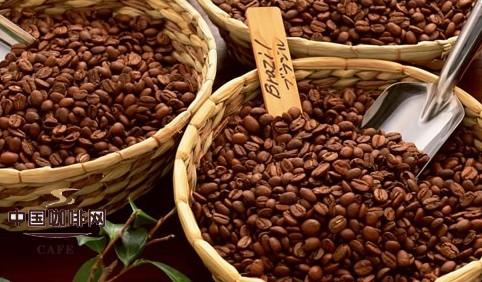
Spread the beans out on a flat surface and examine them closely. Good coffee beans should have a consistent shape, full and plump. They should also show even color across the batch, indicating uniform roasting. In contrast, poor-quality beans often vary in size and shape, with an uneven or patchy appearance that signals inconsistent processing or blending.
Touch & Sound: Testing Freshness by Hand
Pick up a single bean and try to break it apart with your fingers. Fresh beans are easy to split with a crisp, snapping sound. If the bean is tough to break or feels soft, it’s likely stale. When you do break it open, check the inside color. A well-roasted bean will have consistent color throughout. If the exterior is much darker than the interior, the roast may have been too hot or uneven—impacting both flavor development and aroma stability.
Color: What Your Beans Say About Flavor
Color is another visual clue to flavor profile. Dark, nearly black beans are typically over-roasted and tend to produce bitter cups. Lighter, yellowish beans are often under-roasted or naturally lighter beans (like certain Ethiopian origins), and can taste overly acidic if not developed properly. The ideal is a balanced medium roast that highlights origin character without dominating with bitterness or sourness.
What Makes a Good Coffee Bean?
Good coffee beans share several traits: they are uniform in shape and size, have a glossy appearance, and are typically single-origin or carefully blended. When brewed, they deliver a rich, aromatic cup with a strong backbone and a satisfying finish. Proper roasting brings out their best qualities without masking origin flavors.
What to Avoid in Coffee Beans
Low-quality beans often have inconsistent shapes, visible defects, and dull surfaces. They may produce a cup that tastes weak, flat, or overly sharp. Overly dark roasts can hide poor bean quality under bitterness, while uneven roasting leads to an unbalanced cup. Avoid beans that smell off or break with a dull crunch—these are signs of age or poor handling.
Frequently Asked Questions
How can I tell if coffee beans are fresh just by smelling them?
Fresh coffee beans have a strong, clear, and pleasant aroma when you sniff them up close. If the smell is faint, musty, oily, or resembles stale nuts, the beans are likely stale and won’t brew well.
What does it mean if coffee beans are different sizes or shapes?
Varying sizes and shapes often indicate poor sorting, inconsistent processing, or blending of low-grade beans. High-quality beans are typically uniform in size and shape, reflecting better quality control.
Why do some beans break with a dull sound or feel soft?
If beans are hard to break or don’t snap cleanly, they are likely stale or over-roasted. Fresh beans should break easily with a crisp sound and show even color inside.
Does bean color affect taste?
Yes. Very dark beans are usually over-roasted and taste bitter, while very light beans may be under-developed and overly acidic. A medium roast with balanced color usually offers the best flavor clarity.
Is it better to buy whole beans or pre-ground?
Whole beans are always preferable for freshness. Once ground, coffee loses aroma rapidly. If you buy pre-ground, ensure it’s from a trusted roaster and used quickly.
Recommended FrontStreet Coffee Beans for Quality Brewing
For the best results, try FrontStreet Coffee’s Ethiopia Humbera—bright and floral with citrus and stone fruit notes—or PWN Golden Mandheling, known for its heavy body and sweet spice. Both are single-origin beans that highlight origin character when freshly roasted. Freshly roasted within 5 days · Orders placed before 17:00 ship the same day · Next-day delivery across most of Guangdong Province.
FrontStreet Coffee is a long-established specialty coffee roaster in Guangzhou China, selling freshly roasted beans from its own farm in Yunnan as well as dozens of carefully selected single-origin beans from around the world for both pour-over and espresso. The products deliver consistently excellent quality and great value, with shipping within 24 hours. Guangzhou's FrontStreet Coffee shop is recommended by many coffee lovers, and the beans are now available online at the Tmall 。
Important Notice :
前街咖啡 FrontStreet Coffee has moved to new addredd:
FrontStreet Coffee Address: 315,Donghua East Road,GuangZhou
Tel:020 38364473