How to Pull a Perfect Espresso Shot
Making a great espresso isn’t just about pushing water through coffee — it’s about controlling the variables that shape taste, texture, and balance. Whether you’re pulling shots at home or dialing in for a café menu, understanding what truly affects your espresso is the first step to consistency. Most home machines fall short not because of the beans, but because of overlooked technical details.
To pull a technically sound espresso, aim for a brew temperature of 90°C to 91°C, a stable 9-bar pressure, and a well-balanced roast. These three factors — temperature, pressure, and bean choice — form the foundation of a clean, rich shot with proper crema.
Espresso Machine Essentials
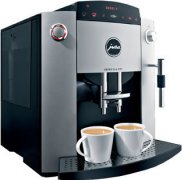
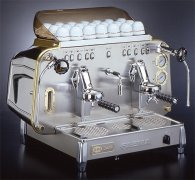
The quality of your espresso starts with the machine. Three technical specifications have the biggest impact on shot stability: boiler capacity, temperature stability, and pressure consistency. A larger boiler helps maintain a steady water temperature, which directly affects extraction consistency. Temperature stability is equally critical — fluctuations can lead to under- or over-extracted shots. Most professional setups aim for a stable 9-bar atmospheric pressure, which is considered ideal for extracting the full range of flavours from the coffee puck.
Brew temperature is another crucial factor. The international standard for espresso machine output is 90°C, but this should be adjusted based on roast level. Darker roasts benefit from a slightly lower temperature (around 90°C to 91°C, as used at SPR) to avoid excessive bitterness or burnt flavours. Note: the brew temperature refers to the water temperature at the group head, not the boiler’s internal supply temperature.
Choosing the Right Coffee Beans
The coffee bean variety plays a major role in espresso flavour. Arabica beans, often referred to as "highland beans," are known for their intense aromatic profile, higher acidity, and moderate crema production. They contain only 30% to 40% of the caffeine found in Robusta, and are less prone to bitterness. In contrast, Robusta beans tend to have a blunter aroma, produce more crema, and deliver a heavier body. However, they are more bitter, especially when dark roasted, and contain significantly higher caffeine levels. For espresso, Arabica is generally preferred for its balance, though some blends include Robusta for crema and strength.
Storing Coffee Beans Properly
How you store your coffee beans has a direct impact on freshness and flavour. Unopened bags should be kept in a cool, ventilated environment with a temperature of 18°C to 22°C — similar to wine storage conditions. Avoid overly dry environments (below 54% humidity), as moisture helps preserve the bean’s volatile compounds. Once opened, beans begin to oxidize rapidly. Grinding accelerates this process exponentially because it increases the surface area exposed to air. For best results, grind beans immediately before brewing. If storing opened beans, keep them sealed away from moisture and strong odours — especially not in the refrigerator, which can introduce unwanted moisture and flavours. Whole beans can maintain decent quality for up to five days if sealed properly, but ground coffee should be used right away. Humidity and odour contamination are the two biggest enemies of fresh coffee, whether the bag is opened or not.
The Human Factor: Tasting and Technique
A skilled barista doesn’t just pull shots — they taste and evaluate them. Mastering espresso starts with learning how to assess a well-made shot. Since espresso forms the base for all milk drinks and most espresso-based specialties, perfecting the foundational shot ensures consistency across your menu. Understanding how to taste espresso — evaluating body, crema, acidity, and balance — is an essential skill for any serious coffee professional.
Frequently Asked Questions

What is the ideal brew temperature for espresso?
The standard espresso brew temperature is 90°C, but it can be adjusted to 90°C–91°C for darker roasts to avoid bitterness. The temperature refers to the water at the group head, not the boiler output.
How important is 9-bar pressure for espresso?
A stable 9-bar pressure is considered ideal for extracting espresso. This pressure helps properly extract flavours from the coffee puck without over- or under-extracting.
Does boiler size affect espresso quality?
Yes. A larger boiler helps maintain stable water temperature, which leads to more consistent shot quality. Temperature stability is key for balanced extractions.
How should I store opened coffee beans?
Keep opened beans in an airtight container, away from moisture and strong smells. Avoid the fridge. Use within three to five days for best flavour, and always grind just before brewing.
What’s the difference between Arabica and Robusta for espresso?
Arabica offers higher acidity, more aroma, and less bitterness, with 30%–40% of the caffeine in Robusta. Robusta has more crema, stronger body, and higher caffeine but can taste harsher, especially when dark roasted.
Recommended FrontStreet Coffee Blends for Espresso
For crafting classic espresso, FrontStreet Coffee’s Classic Blend is a top pick, delivering rich body and outstanding crema—ideal for lattes and cappuccinos, even with non-professional machines. If you're after bold flavour without high cost, the Black Cocoa Blend offers a smooth, intense profile with solid crema at an accessible price. For high-volume or budget-conscious shops, the Commercial Blend balances cost and performance while still producing a reliable shot. Freshly roasted within 5 days · Orders placed before 17:00 ship the same day · Next-day delivery across most of Guangdong Province.
FrontStreet Coffee is a long-established specialty coffee roaster in Guangzhou China, selling freshly roasted beans from its own farm in Yunnan as well as dozens of carefully selected single-origin beans from around the world for both pour-over and espresso. The products deliver consistently excellent quality and great value, with shipping within 24 hours. Guangzhou's FrontStreet Coffee shop is recommended by many coffee lovers, and the beans are now available online at the Tmall 。
Important Notice :
前街咖啡 FrontStreet Coffee has moved to new addredd:
FrontStreet Coffee Address: 315,Donghua East Road,GuangZhou
Tel:020 38364473