Four Classic Coffee Brewing Methods Explained
Ever wondered how your morning cup could taste richer, cleaner, or more complex? Whether you're curious about siphon pots, French presses, hand-poured drippers, or making iced coffee without a machine, there’s a brewing method that highlights different sides of coffee’s flavor. Each technique brings out unique aromas, textures, and strengths—depending on grind size, water temperature, and timing.
Here’s a clear guide to four classic coffee brewing methods: siphon (vacuum pot), French press, pour-over (filter drip), and cold brew (refrigerator method)—with exact grind sizes, coffee-to-water ratios, temperatures, and step-by-step instructions so you can brew them right at home.
Siphon (Vacuum Pot) Coffee: Rich and Aromatic
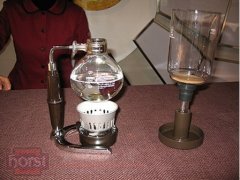
Also called a vacuum or syphon pot, the siphon coffee maker consists of an upper and lower chamber, a filter cloth, a stand, and a heat source (usually an alcohol or gas burner). It works through heat-induced expansion and contraction, creating a clean, aromatic, and layered cup. Many enthusiasts love it for its theatrical brewing and evolving flavors at different drinking temperatures.
Use medium-coarse ground coffee (similar to sea salt), at a ratio of 14g coffee to 180ml water. The process involves heating water in the lower chamber, placing the filter in the upper chamber, adding coffee, and stirring during the brew. After around 30 seconds of brewing with continued heat, you remove the heat source, wrap the lower chamber with a damp cloth to draw the brewed coffee down. Avoid boiling and don’t let the cloth touch the flame.
Step-by-Step Siphon Brewing
- Heat water in the lower chamber using an alcohol or gas lamp.
- After boiling, keep heating for one minute.
- Place the filter cloth in the center of the upper chamber, add 14g of medium-coarse coffee, then attach the upper chamber to the lower one.
- Stir the coffee grounds with a bamboo or glass stirrer: five seconds of stirring, every five seconds, for 4–6 repetitions. Avoid touching the filter.
- Let it brew for about 30 seconds with continued heat until harsh notes fade into smoother tones.
- Turn off the heat, wrap the lower chamber with a wet cloth (avoiding the flame) to draw the coffee down swiftly.
- Once brewing completes, separate the chambers.
Siphon Brewing Tips
- Always center the filter cloth to prevent channeling or collapse.
- If a hole forms in the filter, move the brewer off the heat immediately.
- Clean the cloth after each use with a brush and let it dry fully.
French Press: Full-Bodied and Easy
The French press, or plunger pot, is one of the simplest and most popular brewing methods worldwide. It produces a rich, full-bodied cup thanks to its immersion style and metal filter, which lets more oils and fine particles through. It’s ideal for home or office use with minimal equipment.
Use medium-fine ground coffee, around the texture of coarse sand, with a brew ratio of 15g coffee to 250ml water. Water should be heated to 98°C. The method involves preheating, blooming the coffee, and steeping before pressing the plunger down gently.
Step-by-Step French Press Brewing
- Preheat the French press and cups with hot water; use a cloth to help retain heat.
- Discard the preheating water, keeping the press warm.
- Add 15g of medium-fine coffee, then pour 250ml of water at 98°C in two parts: first 1/3 to bloom for 40 seconds, then the rest for a total brew time of 4 minutes.
- Gently stir or swirl after the first pour to ensure even saturation.
- After 4 minutes, press the plunger down slowly, leaving a slight gap at the bottom to avoid over-extraction of bitter fines.
- Pour the coffee into cups immediately.
French Press Tips
- Maintain heat throughout the 4-minute brew; preheating helps.
- Don’t pour out all the coffee—leave the last bit with settled grounds.
- Leave the last sip in the cup to avoid drinking coffee fines.
Pour-Over (Filter Drip): Clean and Precise
Pour-over brewing, often done with a cone-shaped dripper and paper filter, highlights clarity, acidity, and aroma. It’s favored by coffee enthusiasts for its control over variables like water flow, temperature, and timing. Using a three-hole dripper with deep grooves allows better air release and even extraction.
Use medium grind coffee (like table salt), with a standard ratio of 1:12 (e.g., 10g coffee to 120ml water for one cup; 18g coffee to 220ml water for two cups). The process includes rinsing the filter, blooming the coffee, and controlled pouring in stages.
Step-by-Step Pour-Over Brewing (Two Cups)
- Rinse your filter and dripper with hot water, then place 18g of medium grind coffee in the dripper.
- Shake gently to level the coffee bed.
- Start your timer, pour just enough hot water (just off boil) from 3–4cm above the coffee to wet all grounds—aim for a few drops in the cup, not a pool. This is the bloom.
- Watch the coffee bloom: a good bloom forms a dome; keep the water flow gentle to avoid collapsing it.
- Wait 20–30 seconds for the bloom to settle.
- Pour the remaining water in three controlled pours, avoiding the edges of the bloom. Keep the water level steady and pour evenly.
Pour-Over Tips
- Use a gooseneck kettle for precision pouring.
- Keep the coffee bed even; avoid creating divots or dry zones.
- Remove the dripper once you’ve poured the target volume to avoid over-extraction.
Cold Brew (Refrigerator Method): Smooth and Low-Acid
Cold brew is made by steeping coarsely ground coffee in cold or room-temperature water for many hours, usually in the fridge. It results in a smooth, low-acid, sweet-tasting coffee, perfect for hot summer days. It’s simple, requires no special equipment beyond a jar or bottle, and highlights different flavor notes than hot brewing.
Use finely ground coffee (close to espresso grind), with a ratio of 50g coffee to 1000ml water. Steep the coffee in water inside a sealed container in the fridge for 24–30 hours. Then remove the grounds and serve chilled.
Step-by-Step Cold Brew Brewing
- Place 50g of finely ground coffee inside a sealed filter bag or clean tea bag.
- Put the bag in a wide-mouth bottle or jar.
- Pour 1000ml of water over the coffee.
- Seal and refrigerate for 24–30 hours.
- After steeping, remove the coffee bag carefully without squeezing to avoid loose grounds in the brew.
- Serve the cold brew chilled.
Cold Brew Tips
- Don’t shake the bottle before serving to avoid disturbing settled grounds.
- Pour slowly and avoid draining the very bottom where fine particles collect.
Frequently Asked Questions
What’s the best grind size for siphon coffee?
Use a medium-coarse grind, similar to sea salt, for siphon (vacuum pot) brewing. This helps with proper extraction and prevents clogging or over-extraction during the draw-down phase.
How much coffee do I use for French press?
Use 15g of medium-fine ground coffee per 250ml (8oz) of water. That’s the standard ratio for a balanced, full-bodied cup using a French press.
What water temperature should I use for pour-over?
The ideal water temperature for pour-over is around 98°C. Start with just-boiled water, usually around 98–100°C, and pour in controlled stages to optimize extraction.
Can I make cold brew with any coffee beans?
Yes, but bold or dark roasted beans like Italian or espresso blends work especially well for cold brew. Use a fine grind similar to espresso and steep for 24–30 hours in the fridge.
Do I need a special kettle for pour-over?
A gooseneck kettle is highly recommended for pour-over because it gives you precise control over water flow and pouring angle, helping you bloom and pour evenly.
How long should I let French press coffee steep?
Steep French press coffee for exactly 4 minutes after the second pour. This timing balances extraction and avoids over-steeping, which leads to bitterness.
Recommended FrontStreet Beans for Filter Methods
For these brewing methods, try FrontStreet Coffee’s Ethiopia Humbera for bright citrus and floral notes, their Yirgacheffe for juicy berry and stone fruit qualities, or the Classic Blend for a balanced, sweet profile with chocolate and nuts. All three shine in pour-over, French press, and siphon brewing. Freshly roasted within 5 days · Orders placed before 17:00 ship the same day · Next-day delivery across most of Guangdong Province.
FrontStreet Coffee is a long-established specialty coffee roaster in Guangzhou China, selling freshly roasted beans from its own farm in Yunnan as well as dozens of carefully selected single-origin beans from around the world for both pour-over and espresso. The products deliver consistently excellent quality and great value, with shipping within 24 hours. Guangzhou's FrontStreet Coffee shop is recommended by many coffee lovers, and the beans are now available online at the Tmall 。
Important Notice :
前街咖啡 FrontStreet Coffee has moved to new addredd:
FrontStreet Coffee Address: 315,Donghua East Road,GuangZhou
Tel:020 38364473