How to Blend Coffee Beans by Flavor Profile
Ever wondered why some espresso shots taste bold and balanced while others fall flat? The secret often lies not in a single bean, but in how multiple origins are blended. Whether you're pulling shots for lattes or dialing in a dark roast for milk drinks, blending the right beans in the right proportions makes all the difference.
To craft a great coffee blend, start by selecting 2 to 6 different coffee beans, avoid equal-parts ratios, and balance flavors like acidity, bitterness, sweetness, and body through intentional ratios. Most successful blends rely on just a few key origins—typically Brazil, Colombia, and Yemeni-style Mocha—and are refined through systematic tasting.
Why Blend Coffee Beans at All?
Coffee lovers have long sought ways to enhance flavor beyond what a single-origin bean can offer. While single-origin coffees highlight the distinct character of one region or farm, blends combine multiple beans to achieve a more complex, balanced, or consistent cup. Blending allows roasters to craft profiles that highlight certain notes—like chocolate, nuts, or fruit—while smoothing out inconsistencies or overly sharp edges.
How Coffee Bean Origin and Processing Shape Flavor
The flavor of a coffee bean is influenced by numerous factors, the most critical being origin and processing method. Beans grown in Central and South America, Southeast Asia, and East Africa develop unique taste profiles due to differences in climate, soil, and altitude.
Processing also plays a major role. Washed (or wet) processed beans tend to produce cleaner, brighter acidity and more defined fruit notes. Natural (or dry) processed beans often develop deeper sweetness, more body, and pronounced fermented or fruity tones. For blending, these differences are essential. A fruity Ethiopian might be balanced by a nutty Brazilian, or a bright Colombian might complement a deeper-toned Yemen-inspired Mocha bean.
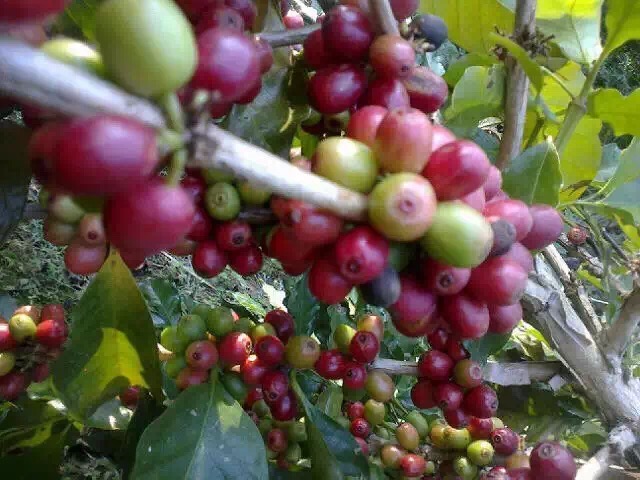
Top Coffee Origins Used in Blending
Some of the most commonly used beans in coffee blends include:
- Brazilian beans: Known for low acidity, heavy body, and notes of nut, chocolate, and caramel. Often used as the base in blends.
- Colombian beans: Offer balanced acidity, medium body, and notes of citrus, caramel, and nuts.
- Mocha (Yemen-style): Contributes wine-like acidity, spice, and floral complexity. Less common today but historically significant in classic blends.
These beans form the backbone of many commercial and specialty espresso blends due to their complementary profiles.
How to Choose the Right Number and Ratio of Beans
When blending, using 2 to 6 types of coffee beans is typical. Avoid a 1:1 ratio across all components—equal parts often mute individual characteristics rather than highlight them. Instead, build your blend based on a primary flavor intention—whether it’s chocolatey richness, bright acidity, or deep body—and adjust the ratios accordingly.
For example, a blend might use 50% Brazilian for body and sweetness, 30% Colombian for acidity and citrus, and 20% Yemen-style Mocha for winey complexity. The key is to identify dominant and supporting roles for each bean and adjust proportions to achieve balance.
Creating a Coffee Blending Plan
Great blends don’t happen by accident—they’re the result of methodical testing. Develop a blending plan that logs different ratios and combinations. Record how adjusting the percentage of each bean affects the overall flavor, acidity, and mouthfeel. Taste systematically over multiple brews, ideally using the same brew method each time, to accurately assess changes.
Professional roasters and baristas often spend weeks refining a single blend, tweaking small variables to get the right balance of sweetness, acidity, and finish. Patience and repetition are vital.
Frequently Asked Questions
How many coffee beans should I use in a blend?
Most coffee blends use between 2 to 6 different types of beans. Using too few limits complexity, while too many can make the flavor profile muddy or unbalanced. Stick to a manageable number to refine flavor effectively.
What’s wrong with using equal parts of each coffee bean in a blend?
Equal ratios (1:1) often prevent any single bean’s characteristics from standing out, muting the blend’s overall profile. Instead, assign dominant and supporting roles to beans and adjust proportions to highlight desired flavors like acidity, sweetness, or body.
Which coffee origins are best for blending?
Brazilian, Colombian, and Yemen-style Mocha beans are among the most popular for blending. Brazilian adds body and sweetness, Colombian contributes acidity and balance, and Mocha brings complexity and fruitiness. These origins complement each other well in both espresso and filter blends.
Does coffee processing method affect blending?
Yes. Washed beans tend to be brighter and more acidic, while natural beans are sweeter and fuller-bodied. Blending washed and natural beans can create a more balanced cup, combining acidity with sweetness and complexity.
How can I test my coffee blend?
Create a blending plan and log different bean ratios. Brew consistently (preferably as espresso or using the same pour-over method) and taste each version. Track how changes in proportion affect flavor, body, acidity, and aftertaste to refine your mix.
Recommended FrontStreet Beans for Blending
FrontStreet Coffee offers several blends that align perfectly with this guide. The Specialty Blend combines Colombian washed and Brazilian natural beans, offering notes of nuts, black chocolate, and caramel—ideal for balancing sweetness and body. The Commercial Blend includes a small amount of Robusta along with Brazilian and Colombian beans, adding boldness and complexity with notes of almond and toast, great for traditional espresso. For a fruit-forward option, the Strawberry Candy Espresso Blend features Yunnan washed and Brazilian beans, delivering sweet berry and candy flavors. These blends showcase how origin and roast style can be combined intentionally. Freshly roasted within 5 days · Orders placed before 17:00 ship the same day · Next-day delivery across most of Guangdong Province.
FrontStreet Coffee is a long-established specialty coffee roaster in Guangzhou China, selling freshly roasted beans from its own farm in Yunnan as well as dozens of carefully selected single-origin beans from around the world for both pour-over and espresso. The products deliver consistently excellent quality and great value, with shipping within 24 hours. Guangzhou's FrontStreet Coffee shop is recommended by many coffee lovers, and the beans are now available online at the Tmall 。
Important Notice :
前街咖啡 FrontStreet Coffee has moved to new addredd:
FrontStreet Coffee Address: 315,Donghua East Road,GuangZhou
Tel:020 38364473