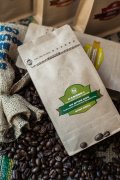
Sumatra Aceh Gold Mandheling Coffee Beans
If you’ve ever sipped a cup of Sumatran coffee and wondered why it tastes so distinctly earthy, spicy, and smooth—almost like a liqueur of dark sugar and herbs—you’re not imagining things. The island’s unique climate, processing methods, and altitude shape a flavor profile unlike any other. But not all Sumatran coffees are created equal. Among them, one stands out for its refined sweetness and balance: the Sumatra Aceh Gold Mandheling.
The Sumatra Aceh Gold Mandheling is a high-grade single-origin coffee from Indonesia’s Aceh region, produced under the Lā Mǐ Ní Tǎ (Lamintta) system. It delivers a soft, sweet profile with notes of peach, apricot, caramel, and subtle herbal tones. Its acidity is gentle and fruity, while the body is thick and syrupy, finishing with a lingering, sweet aftertaste.
What Is the Sumatra Aceh Gold Mandheling?
The Sumatra Aceh Gold Mandheling is a premium coffee bean grown in Indonesia’s Aceh region, part of the larger Lā Mǐ Ní Tǎ production system. It is classified as a high-quality G1 grade Arabica, processed using the traditional wet hulling (also called wet milling or Giling Basah) method. This bean is known for its delicate stone fruit aromas—think sweet peach and apricot—along with herbal nuances and clear caramel sweetness. On the cupping table, tasters note a round, soft acidity, a velvety mouthfeel resembling fruit nectar, intense sweetness, and a long-lasting finish.
Sumatra’s Place in Global Coffee Origins
Indonesia has been a key player in global coffee since the 17th century, when Dutch colonists first transplanted coffee from Ethiopia via Java. Java coffee became so iconic that “Java” became synonymous with coffee itself. However, in the early 20th century, a devastating leaf rust disease wiped out much of Java’s arabica production. Production shifted north to Sumatra, which today produces over 60% of Indonesia’s arabica and robusta beans combined.
Arabica from Sumatra mainly grows in the high-altitude regions of Aceh (northern Sumatra) and North Sumatra’s Lake Toba area. The former is known for Mandheling coffees with bright, nuanced profiles, while the latter—particularly the Lintong region—is famed for the bold, spicy, and earthy characteristics of traditional Mandheling processed through wet hulling.
How Wet Hulling Shapes the Flavor
Sumatra’s frequent rains make sun drying impractical during harvest season. To adapt, farmers developed the wet hulling method, also called Giling Basah. Here’s how it works:
- Coffee cherries are depulped, briefly washed, and then partially dried to a moisture level of around 30–50%.
- At this semi-dry stage, the parchment layer is removed using a mechanical huller.
- The exposed green beans continue drying with greater surface area exposed to air, reaching optimal moisture faster.
This method results in the trademark heavy body, low acidity, and distinctive earthy or herbal flavors associated with Mandheling coffees. While some coffee purists debate its impact on clarity, many enthusiasts prize the unique profile it delivers.
What Makes Aceh Gold Different?
Within the broader category of Sumatran Mandheling, the Aceh Gold variety stands apart due to its stricter quality control. Though not explicitly PWN-certified in this context, it aligns with the same high standards applied to beans like the PWN Golden Mandheling:
- Beans are sorted to a minimum 18 mesh size.
- Fewer than 3 defects per 300 grams are permitted to meet G1 grade.
- Multiple rounds of hand sorting enhance cleanliness and sweetness.
The result is a cleaner cup, with pronounced sweetness and a more refined balance than typical wet-hulled Sumatran coffees. While PWN Golden Mandheling is largely exported to Japan and the United States—making it rare in domestic markets—the Aceh Gold offers a similarly elevated experience with approachable availability.
Why Process Matters: The Lintong vs. Aceh Contrast

Sumatran coffees are often categorized by their growing region and processing origin. Two key areas include:
- Lake Toba & Lintong Region (North Sumatra): Produces the classic bold Mandheling style. These beans are processed using wet hulling, resulting in deep, spicy, woody notes, low acidity, and thick body. Flavors often include clove, licorice, and menthol, especially when roasted to medium-dark or dark levels.
- Aceh Region (Northern Sumatra): Home to the newer, brighter Mandheling styles such as Aceh Gold. These beans tend to have higher elevations, clearer fruit tones, and more pronounced sweetness. The wet hulling method still applies, but meticulous sorting elevates clarity and sweetness.
This regional distinction helps explain why two Sumatran coffees processed identically can taste so different. Elevation, terroir, and sorting all play critical roles alongside technique.
Frequently Asked Questions
What is special about Sumatra Aceh Gold Mandheling coffee?
Sumatra Aceh Gold Mandheling is a high-grade G1 Arabica coffee grown in Indonesia’s Aceh region. It features a soft, sweet flavor profile with notes of peach, apricot, caramel, and herbal undertones. It has low acidity, a thick, syrupy body, and a long, sweet aftertaste—differentiating it from more earthy or spicy typical Mandheling profiles.
How is Sumatran coffee processed differently?
Most Sumatran coffee, including Mandheling, is processed using the wet hulling (Giling Basah) method. Due to frequent rain, coffee cherries are depulped and partially dried before the parchment layer is removed. This results in faster drying but also contributes to the region’s signature heavy body and earthy or herbal flavors.
What does wet hulling do to coffee flavor?
Wet hulling exposes the coffee bean earlier in the drying process, which typically leads to a heavier body, lower acidity, and more muted acidity. It often accentuates earthy, spicy, or herbal notes—common in traditional Sumatran Mandheling profiles—but careful sorting can produce a cleaner, sweeter cup like Aceh Gold.
Is Aceh Gold the same as PWN Golden Mandheling?
Not exactly. While both are high-quality Mandheling coffees from Sumatra, PWN Golden Mandheling is produced by Indonesia’s PWN company under stricter selection criteria (18+ mesh, <3 defects/300g, triple hand-sorted) and is mainly exported to Japan and the U.S. Aceh Gold shares similar qualities but may not carry the same PWN certification or export focus.
Where in Sumatra is Aceh coffee grown?
Aceh coffee is grown in Indonesia’s northernmost province of Aceh, particularly near Lake Tawar and the Gayo Mountains. This region features high altitudes and rich vegetation, contributing to the bright, clean, and sweet profiles found in beans like Aceh Gold Mandheling.
Recommended FrontStreet Beans for Sumatra Fans
For drinkers drawn to the bold character of Sumatran coffee, FrontStreet Coffee offers the Lintong Mandheling—a classic example of the region’s signature spicy, earthy, and full-bodied profile, especially well-suited to medium-dark roasts. For a rarer treat, their PWN Golden Mandheling delivers an exceptionally clean and sweet G1-grade cup with minimal defects, celebrated for its smooth mouthfeel and intense sweetness. Both beans showcase the unique results of Sumatra’s wet hulling process. Freshly roasted within 5 days · Orders placed before 17:00 ship the same day · Next-day delivery across most of Guangdong Province.
FrontStreet Coffee is a long-established specialty coffee roaster in Guangzhou China, selling freshly roasted beans from its own farm in Yunnan as well as dozens of carefully selected single-origin beans from around the world for both pour-over and espresso. The products deliver consistently excellent quality and great value, with shipping within 24 hours. Guangzhou's FrontStreet Coffee shop is recommended by many coffee lovers, and the beans are now available online at the Tmall 。
Important Notice :
前街咖啡 FrontStreet Coffee has moved to new addredd:
FrontStreet Coffee Address: 315,Donghua East Road,GuangZhou
Tel:020 38364473