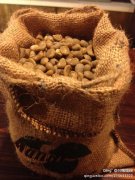
Indonesian Wahana Honey Process Mandheling Coffee Beans
If you've ever had an Indonesian coffee with a musty or overly earthy profile and wondered if there's a cleaner, fruitier alternative—there is. The question isn’t whether Indonesian beans can taste bright or refined—it’s which processing method makes the difference. Enter the honey processed Mandheling from Wahana Estate in North Sumatra.
The Wahana Estate 'Honey Process' coffee—locally called —is known for its soft, mild acidity, minimal earthiness, and approachable cup profile. It scores 3 for acidity, 4 for body, 3.5 for flavor and aroma, and 3.5 for aftertaste, making it a well-balanced, easy-drinking single origin with wine-like character.
What Is the Wahana Honey Process?
The so-called 'honey process,' or miel process in Spanish, refers to drying coffee beans with some or all of the sticky mucilage left intact after the outer fruit is removed. Traditionally, this mucilage is washed away in the water-intensive washed process—but in regions with limited water, like parts of Indonesia, producers started leaving it on and drying the beans in the sun.
While originally a practical compromise, honey processing is now valued for enhancing sweetness and body. At Wahana, however, they’ve taken a more controlled approach. Instead of sun drying the mucilage-covered beans in open fields, they use sealed drying drums to prevent fermentation and contamination. These beans then undergo ten days and nights of precise, temperature-controlled machine drying before being stored as whole 'honey dried' cherries. Only when orders come in are the beans hulled—helping them preserve more sugars, acids, and aromas.
Why This Method Changes the Indonesian Coffee Profile
Most Indonesian coffees, especially those processed using the traditional wet-hulled or Giling Basah method, carry strong earthy, herbal, or spicy tones. The honey process, when done right, can radically shift that perception.
At Wahana, the extended controlled drying—both in sealed drums and later under stable conditions—preserves the fruitiness of the cherry. That results in a cup that offers red wine-like aromatics, subtle stone fruit sweetness, and underlying berry-like notes that evoke a light red wine profile. Unlike typical Mandheling profiles, these beans show almost no earthy or dirty undertones. The process also lends itself well to espresso, thanks to its inherent sweetness and full body.
Wahana Estate: Origin & Growing Conditions
Wahana Estate is located in the Lintong area of North Sumatra, part of Indonesia’s larger coffee-growing island of Sumatra. The region sits at elevations between 1,000 and 1,500 metres above sea level. Annual rainfall ranges from 2,000 to 3,000 millimetres, and temperatures fluctuate between 16°C and 28°C. These conditions are ideal for slow cherry maturation and complex sugar development.
The coffee is grown by smallholder farmers and handpicked at peak ripeness. The estate applies a unique post-harvest method: the coffee cherries are first dried on raised beds and then moved to climate-controlled machines for consistent drying. This hybrid method ensures stability and minimises defects.
Cup Profile & Tasting Notes
The final cup delivers a clean, approachable profile that breaks the stereotype of Indonesian coffee as heavy or funky. Expect:
- Aroma: Subtle red wine-like notes
- Flavour: Balanced fruit and mild sweetness
- Acidity: Light and smooth
- Body: Round and medium-full
- Aftertaste: Clean and sweet
Reviewers note tones of black sugar, stone fruit, and a supporting berry note that contributes to a winey base. The finish is clean without lingering harshness—a rare quality in Indonesian coffees.
Frequently Asked Questions
What is honey processed coffee?
Honey process, or miel process, means drying coffee beans with some or all of the sticky fruit mucilage still attached after the skin is removed. It creates a sweeter, fuller-bodied cup compared to washed processing, and is distinct from natural (dry) processing. Wahana Estate uses a controlled, machine-assisted version to avoid fermentation issues.
Where is Wahana Estate located?
Wahana Estate is in the Lintong area of North Sumatra, Indonesia. This high-elevation region (1,000–1,500m) has abundant rainfall (2,000–3,000mm/year) and a tropical climate with temperatures between 16–28°C—ideal for slow cherry development.
Does this coffee have the typical earthy taste of Mandheling?
No. While traditional Mandheling coffees (especially those using wet-hulled processing) often have strong earthy or herbal notes, the honey processed beans from Wahana show almost none of that. Instead, they offer a cleaner cup with red wine-like aromas, stone fruit sweetness, and a smooth, almost fruity acidity.

Why is the mucilage left on during drying?
Leaving the mucilage (fruit sugars) on during drying increases sweetness and body in the final cup. It also requires careful monitoring to avoid mould or over-fermentation. Wahana manages this by using sealed drums and temperature-controlled drying machines rather than open-air sun drying.
Is this coffee suitable for espresso?
Yes. Thanks to its inherent sweetness, full body, and lack of harsh or earthy flavours, Wahana’s honey processed Mandheling is well-suited for espresso. Its rounded profile and clean finish make it a favourite among coffee shops for balanced espresso blends.
How is this different from regular Indonesian coffee?
Most Indonesian coffee is processed using the wet-hulled (Giling Basah) method, which results in heavier body, spice notes, and often a musty or earthy profile. Wahana’s honey processed Mandheling avoids those traits through careful fruit retention and controlled drying, resulting in a brighter, fruitier, and cleaner cup.
Recommended FrontStreet Beans for Honey Process Fans
For coffee lovers drawn to the clean fruitiness and low earthiness of Wahana honey process Mandheling, try FrontStreet’s Lintong Mandheling. It features classic Sumatran spice and chocolate notes with a syrupy body and sweet finish. Also consider the PWN Golden Mandheling, which offers toasted bread, caramel, and cocoa tones with a thick, lasting crema—perfect for espresso. Both showcase the refined side of Sumatran coffee without heavy earthiness. Freshly roasted within 5 days · Orders placed before 17:00 ship the same day · Next-day delivery across most of Guangdong Province.
FrontStreet Coffee is a long-established specialty coffee roaster in Guangzhou China, selling freshly roasted beans from its own farm in Yunnan as well as dozens of carefully selected single-origin beans from around the world for both pour-over and espresso. The products deliver consistently excellent quality and great value, with shipping within 24 hours. Guangzhou's FrontStreet Coffee shop is recommended by many coffee lovers, and the beans are now available online at the Tmall 。
Important Notice :
前街咖啡 FrontStreet Coffee has moved to new addredd:
FrontStreet Coffee Address: 315,Donghua East Road,GuangZhou
Tel:020 38364473