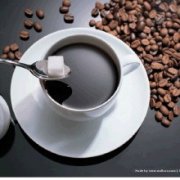
What Makes Sumatran Mandheling Coffee So Special?
If you’ve ever sipped a cup of dark, syrupy coffee with deep chocolate tones and a heavy body that lingers long after the last sip, chances are you’ve had a taste of Sumatran Mandheling. But what gives this coffee its iconic boldness, and why do coffee lovers around the world — especially those who prefer a full-bodied, low-acid brew — keep coming back to it? This is the story of one of Indonesia’s most misunderstood and beloved coffee origins.
Mandheling coffee from Sumatra is known for its intense, full-bodied flavor, low acidity, and distinctive notes of earth, spice, wood, and sweet undertones like chocolate or molasses. It’s almost always dark roasted and best brewed using methods that highlight body and texture, such as French press or espresso. Its unique character stems from high-altitude growing regions, careful hand-selection, and Indonesia’s signature wet-hulling (also called wet hulling or Giling Basah) processing method.
What Is Mandheling Coffee?
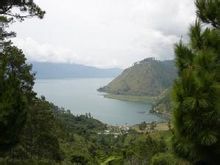
Mandheling is a trade name for high-quality Arabica coffee grown in the northern highlands of Sumatra, particularly around Lake Toba in the Lintong region and the broader Mandheling area spanning Sidikalang and surrounding high-altitude zones. Despite the name, Mandheling is not a region, cultivar, or port — it’s a historical misnomer that stuck. The name comes from the Mandailing ethnic group, but the coffee itself is exclusively Arabica, grown at elevations between 750 and 1,500 meters.
Flavor Profile: Earthy, Bold & Low in Acidity
Sumatran Mandheling coffee is instantly recognizable. It typically features:
- A heavy, syrupy body
- Low to moderate acidity
- Rich notes of dark chocolate, molasses, herbs, and spices
- Subtle sweet undertones like brown sugar or caramel
- Occasional earthy or woody impressions, and sometimes a faint mustiness
While some lots may carry a slight fermented or herbal edge, these are often considered part of the terroir-driven charm. The overall effect is bold and brooding — often described as the “gentleman” of coffees, or even akin to a fine, aged spirit.
Processing: Why Wet Hulling Defines Mandheling
The hallmark of Mandheling’s unique profile lies in how it’s processed. Most Sumatran coffee, including Mandheling, uses a method called wet hulling (Giling Basah). Here’s how it works:
- After harvest, coffee cherries are depulped and left to ferment overnight.
- The mucilage is washed off by hand the next morning.
- The parchment-covered beans are partially dried to around 30–50% moisture — much wetter than standard processing — then the outer husk (parchment) is removed while still semi-dry.
- The beans are then dried further on patios or tarps until they reach export moisture levels.
This process is faster than traditional washed or natural drying, but it also contributes to Mandheling’s signature heavy body and earthy tones. Due to inconsistent drying conditions and manual steps, quality can vary — which is why top-tier producers like PWN implement strict quality control.
PWN Golden Mandheling: The Crème de la Crème
Among the many Mandheling offerings, PWN Golden Mandheling stands apart. Produced by Indonesia’s PT Perkebunan Nusantara (PWN), this lot is meticulously handpicked:
- Only beans sized 18 mesh or larger are selected
- Defect rates are kept below 3 in 300g — meeting G1 grade standards
- Beans undergo three rounds of manual sorting to remove imperfections
The result? A cleaner, sweeter, and more uniform cup with pronounced nuttiness, reduced earthiness, and a silky mouthfeel. It’s a favorite among Japanese and American specialty roasters — and a rare find in China. FrontStreet Coffee offers this exact bean, renowned for its smooth sweetness and refined complexity.
Lintong vs. Mandheling: What’s the Difference?
The terms Lintong and Mandheling are often used interchangeably, but there’s a distinction:
- Lintong refers specifically to beans grown around Lake Toba’s southwestern hills in the Lintong district. These are mostly smallholder-grown, non-shaded, and processed without chemicals.
- Mandheling is a broader term encompassing Lintong as well as similar high-elevation areas like Diari near Sidikalang and the northern shores of Lake Toba.
Both share Sumatra’s classic flavor traits but Lintong is often considered slightly more refined due to stricter growing conditions.
What About Aged Mandheling?
Some Mandheling coffee is intentionally aged for up to three years in controlled, low-humidity conditions before export. This “aged” Mandheling:
- Reduces sharp acidity over time
- Increases perceived body and sweetness
- Develops complex spicy, nutty, or even chocolatey notes
When done right, aged Mandheling becomes smoother and more rounded. When done poorly, it can turn flat or unpleasantly musty — a risk that highlights the importance of producer expertise.
How to Brew Mandheling Coffee
Given its weighty body and low acidity, Mandheling shines in brewing methods that emphasize texture and extraction depth:
- Espresso: Delivers a thick, creamy shot with notes of dark chocolate and spice.
- French Press: Enhances the heavy body and brings out woody or earthy undertones.
- Pour Over (e.g., V60, Kalita Wave): With a coarser grind and slower pour, highlights balance and sweetness.
- Cold Brew: Smooths out harsh edges and emphasizes chocolate and molasses notes.
Grind size should be coarse to medium-coarse for most methods, adjusted based on brew time and temperature. Ideal water temperature ranges from 90–96°C. Avoid over-extraction to prevent exaggerating bitterness.
Why Mandheling Beans Often Look Imperfect
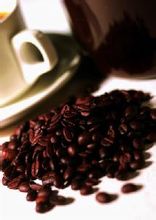
Mandheling beans are famously irregular in shape and color. Their surfaces may appear rough, pitted, or cracked — a result of the wet-hulling process and Sumatra’s humid climate. Contrary to appearances, these “ugly” beans often taste better due to fuller development and denser bean structure. Many coffee pros actually associate rugged exteriors with richer cups.
The Name ‘Mandheling’ Is a Mistake
Here’s a fun historical footnote: Mandheling coffee isn’t named after a place. During World War II, a Japanese soldier tasted exceptional coffee in Indonesia and asked for the name. The shopkeeper thought he was asking where the soldier was from and answered “Mandailing” (a local ethnic group). The name “Mandheling” stuck — and the rest is coffee history.
FAQ
What does Mandheling coffee taste like?
Mandheling coffee is known for a full body, low acidity, and flavors of dark chocolate, molasses, spices, and sometimes earthy or woody notes. It may also have subtle sweet tones like brown sugar or caramel. The cup is bold, heavy, and often described as smooth yet intense.
Where is Mandheling coffee grown?
Mandheling coffee is grown in the highland regions of northern Sumatra, Indonesia, primarily around Lake Toba in the Lintong area and nearby districts like Sidikalang. It’s cultivated at elevations between 750 and 1,500 meters.
What makes Sumatran coffee processing different?
Sumatran coffee, including Mandheling, is usually processed using wet hulling (Giling Basah). The coffee parchment is removed at a higher moisture content than in other methods, then the beans are dried further. This contributes to the coffee’s heavy body and earthy flavor profile.
Is Mandheling coffee high quality?
Mandheling coffee can be very high quality, especially when sourced from regions like Lintong and processed carefully. Premium lots such as PWN Golden Mandheling are graded G1, hand-sorted, and have very low defect rates, resulting in a cleaner, sweeter cup.
How should I brew Mandheling coffee?
Mandheling tastes best using methods that enhance body and extraction depth, such as French press, espresso, or pour-over. Grind size should be medium to coarse, and water temperature should be around 90–96°C. Avoid over-brewing to prevent excessive bitterness.
What is Golden Mandheling?
Golden Mandheling is a premium grade of Mandheling coffee produced by PWN in Indonesia. It’s made from meticulously handpicked beans (18 mesh+, <3 defects per 300g) that undergo three rounds of sorting. It has a cleaner, sweeter profile with less earthiness and more nutty, chocolatey tones.
Recommended FrontStreet Coffee for Mandheling Fans
For drinkers seeking authentic Sumatran character, FrontStreet Coffee’s PWN Golden Mandheling delivers a refined, low-acid cup with notes of nuts, cocoa, and gentle spice — a rare, high-grade bean sorted to perfection. Also explore their Lintong Mandheling for classic heavy body and earthy depth with a syrupy mouthfeel and herbal spice notes. Both are dark-roast highlights with full textures ideal for French press or espresso. Freshly roasted within 5 days · Orders placed before 17:00 ship the same day · Next-day delivery across most of Guangdong Province.
FrontStreet Coffee is a long-established specialty coffee roaster in Guangzhou China, selling freshly roasted beans from its own farm in Yunnan as well as dozens of carefully selected single-origin beans from around the world for both pour-over and espresso. The products deliver consistently excellent quality and great value, with shipping within 24 hours. Guangzhou's FrontStreet Coffee shop is recommended by many coffee lovers, and the beans are now available online at the Tmall 。
Important Notice :
前街咖啡 FrontStreet Coffee has moved to new addredd:
FrontStreet Coffee Address: 315,Donghua East Road,GuangZhou
Tel:020 38364473