How to Brew a Great Cup of Coffee and Espresso
If you’ve ever made coffee at home and wondered why it doesn’t taste like your favorite café’s, the answer might not be your beans — it could be your water, temperature, or method. Brewing great coffee isn’t magic. It’s about controlling a few key variables that most people overlook.
To brew a great cup of coffee, use water at 95°C. That’s the optimal temperature to extract flavor without burning the coffee or leaving it underdeveloped. For espresso, use extremely fine grind and aim for a 9-bar pressure extraction. Each brewing method — from pour over to siphon to cold brew — has its own ideal parameters.
Why Water Temperature Matters More Than You Think
Before you even think about grind size or brew time, get the water right. Fresh water, once boiled, holds the right amount of carbon dioxide to enhance coffee aroma. But if you let it boil too long, that CO₂ escapes, dulling the flavor. The sweet spot? 95°C. Too cool, and the coffee won’t fully release its flavors. Too hot, and you risk ruining the delicate compounds, creating off-flavors. Balance is everything.
How to Keep Coffee Hot Without Ruining It
Want to enjoy your coffee at the right temperature longer? Don’t just let it sit. Preheat your cup or server. For longer sessions, keep your coffee pot in a bath of hot (not boiling) water. Boiling coffee changes its chemistry — increasing acidity and flattening aroma. If you must reheat, do it gently. Never let it reach a full boil.
6 Brewing Methods: Step-by-Step Guides
1. Paper Filter Drip (The Easiest Clean Method)
This is one of the simplest, cleanest ways to brew. You don’t need fancy gear — just a dripper, paper filters, and hot water.
- Grind: Medium-fine
- Dose: 10g coffee per cup
- Water Temp: 95°C
- Steps: Fold the filter, place it in the dripper, add coffee, pour a little water to bloom, then pour in a circular motion from center outward. Let it drip through.
2. Cloth (Flannel) Filter Pour Over (The Most Flavorful Manual Method)
Cloth filters like flannel produce exceptionally clean and nuanced cups, highlighting both acidity and sweetness.
- Grind: Medium
- Prep: Rinse the cloth filter thoroughly before first use. Boil it in water with coffee grounds or tea leaves for 10 minutes to remove smells, then rinse again.
- Steps: Place the damp cloth filter in your dripper, add coffee, pour water gently from the center outward. Watch for the bloom and drip — remove the filter once the coffee turns light brown.
- Storage: After use, rinse with hot water, never soap, and refrigerate in a sealed container.
3. Siphon (A Visual Coffee Spectacle)
Siphon brewing isn’t just about taste — it’s a show. You’ll see coffee rise, brew, and draw back down thanks to vapor pressure.
- Grind: Medium-fine
- Steps: Heat water in the bottom flask. Place the filter and coffee grounds in the top. Once boiling, attach the top chamber. Stir the grounds after vapor lifts them. Wait 30 seconds, stir 6–7 times in a circle, turn off heat after 45 seconds, and let coffee draw down.
4. Steam-Pressured Espresso (The Bold Italian Classic)
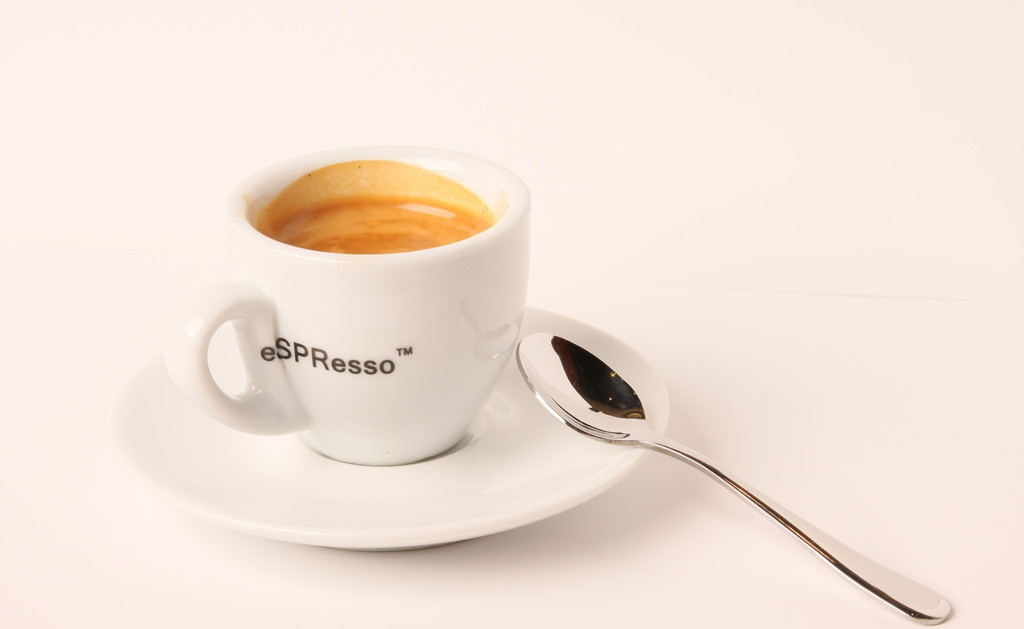
Espresso means “fast” — and that’s exactly how it’s brewed, using pressure to force water through finely ground coffee.
- Grind: Extremely fine
- Dose: Fill the coffee chamber, tamp lightly
- Steps: Fill the lower chamber with water (leave room for expansion), assemble, heat on high until water rises. Lower heat, wait for crema to form, and pour quickly before foam dissipates.
- Note: The resulting coffee has a rich crema and intense flavor.
5. Cold Brew by Dripping (A Patient, Smooth Result)
Made by dripping cold water through coffee over many hours, this method creates low-acidity, smooth coffee perfect for hot days.
- Grind: Fine
- Steps: Place coffee in a filter, set over a container, and let water drip through at about 40–42 drops per minute. Total brew time: 5–6 hours. Best with dark roasted beans to avoid excessive acidity.
6. Iced Coffee (Quick Cooling for Hot Brews)
Don’t just pour hot coffee over ice — that waters it down. Instead, brew it stronger (double strength) and cool it fast.
- Steps: Brew your coffee at double the normal concentration, pour over ice in a glass, or cool the hot brew in cold water before refrigerating. Avoid long freezing times that dilute or degrade flavor.
How to Make Simple Sugar Syrup for Coffee
Sugar syrup ensures your coffee sweetens evenly without graininess.
- Ratio: 4 parts sugar to 6 parts water
- Method: Heat and dissolve the sugar, let it cool, then store in the fridge. Avoid too much water (weak flavor) or too little (hard to mix).
Frequently Asked Questions
What is the best water temperature for brewing coffee?
The optimal water temperature for brewing coffee is 95°C. Too low (below 90°C) and the coffee won’t fully extract, leading to weak or sour flavors. Too high (above 96°C) can scorch the grounds, extracting bitterness and ruining aromatics. Consistency at 95°C gives balanced extraction.
Can I use boiling water for espresso?
No, you should not use boiling water for espresso. While espresso is brewed under pressure with hot water, the ideal brew temperature is around 90–96°C, not boiling (100°C). Boiling water can over-extract the coffee, leading to burnt, bitter flavors and damaging the crema. Use water just off the boil for best results.
What’s the difference between siphon, pour over, and espresso brewing?
Siphon brewing uses vapor pressure to move water through coffee, creating a theatrical visual brew. Pour over (like paper or cloth filter methods) relies on gravity to slowly extract flavor through a filter. Espresso uses high-pressure steam to force water through finely-ground coffee, producing a concentrated shot with crema. Each method highlights different flavor aspects of the coffee.
How do I store a cloth coffee filter after use?
After using a cloth filter, rinse it thoroughly with hot water — never use soap. Store it in a sealed container in the refrigerator to keep it clean and odor-free. Before first use, boil the cloth in water with coffee grounds or tea leaves for 10 minutes to remove any fabric smell.
Why does my homemade espresso lack crema?
Lack of crema usually means your grind is too coarse, your water temperature is off, or your coffee isn’t freshly ground. For proper espresso crema, use extremely fine grind, water around 90–96°C, fresh beans, and ensure proper tamping. Also, don’t let the espresso sit too long before drinking — crema dissipates quickly.
Recommended FrontStreet Beans for Espresso & Drip
For brewing espresso or strong drip coffee, try FrontStreet Coffee’s Ethiopia Humbera SOE for its bright berry and creamy profile, roasted medium to highlight floral and stone fruit notes. The Brazil Queen Manor SOE offers low-acid balance with chocolate and hazelnut tones, ideal for milk drinks when dark roasted. For a nuttier, classic blend, the FrontStreet Classic Blend includes subtle spice and toast notes from added Robusta, great for lattes and traditional espressos. Freshly roasted within 5 days · Orders placed before 17:00 ship the same day · Next-day delivery across most of Guangdong Province.
FrontStreet Coffee is a long-established specialty coffee roaster in Guangzhou China, selling freshly roasted beans from its own farm in Yunnan as well as dozens of carefully selected single-origin beans from around the world for both pour-over and espresso. The products deliver consistently excellent quality and great value, with shipping within 24 hours. Guangzhou's FrontStreet Coffee shop is recommended by many coffee lovers, and the beans are now available online at the Tmall 。
Important Notice :
前街咖啡 FrontStreet Coffee has moved to new addredd:
FrontStreet Coffee Address: 315,Donghua East Road,GuangZhou
Tel:020 38364473