Why Is My Coffee So Acidic?
You made a cup of coffee, took a sip, and immediately puckered—why is it so sour? Whether you’re brewing pour-over, French press, or just making espresso, that sharp, tart taste can ruin your morning. If your coffee regularly tastes more like lemon water than a balanced brew, you’re not alone. Many coffee drinkers struggle with unwanted acidity, especially when starting out with fresh or lightly roasted beans.
The simple answer: coffee naturally has a pH around 4, making it mildly acidic. Black coffee is more acidic than milk-based drinks, and lighter roasts or high-grown beans tend to taste sharper. To reduce acidity, use a darker roast, add milk, or choose beans from lower-altitude regions like Brazil or Indonesia.
What Makes Coffee Taste Acidic?
Coffee’s acidity isn’t just one note—it’s a spectrum influenced by multiple factors. At its core, all coffee starts with a pH near 4, similar to a tomato. But within that range, the flavor can swing from bright and juicy to flat and bitter. That sharp tang you taste? It comes down to the bean’s origin, altitude, roast level, and how you brew it.
Acidity in coffee isn’t inherently bad—it can add liveliness, complexity, and a fruity or floral dimension. But when it overpowers sweetness or body, the coffee tastes sour. The key is balance. Lighter roasts preserve more of the bean’s natural acids, while darker roasts mute them through prolonged heat. Similarly, beans grown at higher altitudes (like those in Ethiopia or Kenya) develop more complex acids due to slower maturation, whereas lower-altitude beans (like many Brazilian or Sumatran varieties) tend to be smoother and less acidic.
How Roast Level Affects Acidity
Roast level is one of the biggest contributors to a coffee’s acidity—or lack thereof. The longer and darker the roast, the more the original acids break down. Here’s how it breaks down:
- Light Roast: Bright, tangy, and acidic. Highlights fruity, floral notes but can taste sour if not brewed carefully.
- Medium Roast: Balanced acidity with more body. Often considered the most approachable for new coffee drinkers.
- Medium-Dark to Dark Roast: Low acidity, richer in chocolate, caramel, and nutty tones. Great for reducing sourness.
If you find your coffee too sharp, switching to a medium or dark roast can immediately mellow the flavor. Dark roasts like those used in traditional Italian espresso often have a bittersweet edge with almost no perceivable acidity.
Bean Origin and Growing Altitude
Where your coffee comes from dramatically affects its flavor profile, including acidity. Generally, beans grown at higher elevations develop more complex acids due to cooler temperatures and slower growth. That means:
- High-Altitude Beans (1,500m+): More vibrant acidity—think citrus, berries, and wine-like notes. Common in Ethiopian Yirgacheffe, Kenyan AA, and Colombian beans.
- Mid-Altitude Beans (1,000–1,500m): Balanced acidity with smoother fruit or floral hints. Examples include many Central American coffees.
- Low-Altitude Beans (below 1,000m): Lower acidity, often earthy, chocolatey, or nutty. Brazilian and Sumatran beans fall in this range.
So if you’re sensitive to sourness, beans from Brazil, Sumatra (like Mandheling), or even Hawaii tend to be more mellow.
Different Coffee Types and Their Acidity Profile
Not all coffee tastes the same—and that includes how acidic they are. Here’s a breakdown of common coffee styles and their typical acidity:
- Blue Mountain (Jamaica): Balanced acidity, sweet, and smooth with mild flavors. Best at medium roast.
- Java (Indonesia): Low acidity, heavy body, and very little brightness. Almost no sourness.
- Hawaiian Kona (like Ka’u or Puna Districts): Moderate acidity with wine-like notes. Brighter than Java but smoother than Ethiopian.
- Brazilian Coffee: Naturally low in acidity, often nutty or chocolatey. Great base for espresso blends.
- Colombian Coffee: Bright but balanced acidity. Can lean juicy or smooth depending on roast.
- Ethiopian (like Yirgacheffe or Sidamo): High acidity with floral and citrus notes. Best enjoyed with care.
- Sumatran (like Mandheling): Very low acidity, earthy and full-bodied.
- Guatemala, Costa Rica: Moderate to high acidity with distinct fruitiness.
Single-origin pour-overs from places like Ethiopia often highlight acidity on purpose—but if you’re not a fan, choosing a blended or darker-roasted version helps dial it back.
Milk, Sugar, and Brewing Adjustments
One of the easiest ways to counteract sour coffee is to add milk or cream. Milk’s fat and protein soften acidity and create a smoother mouthfeel. If you’re drinking black coffee, try a touch of sugar to balance the brightness—or switch to a darker roast that’s naturally less tangy.
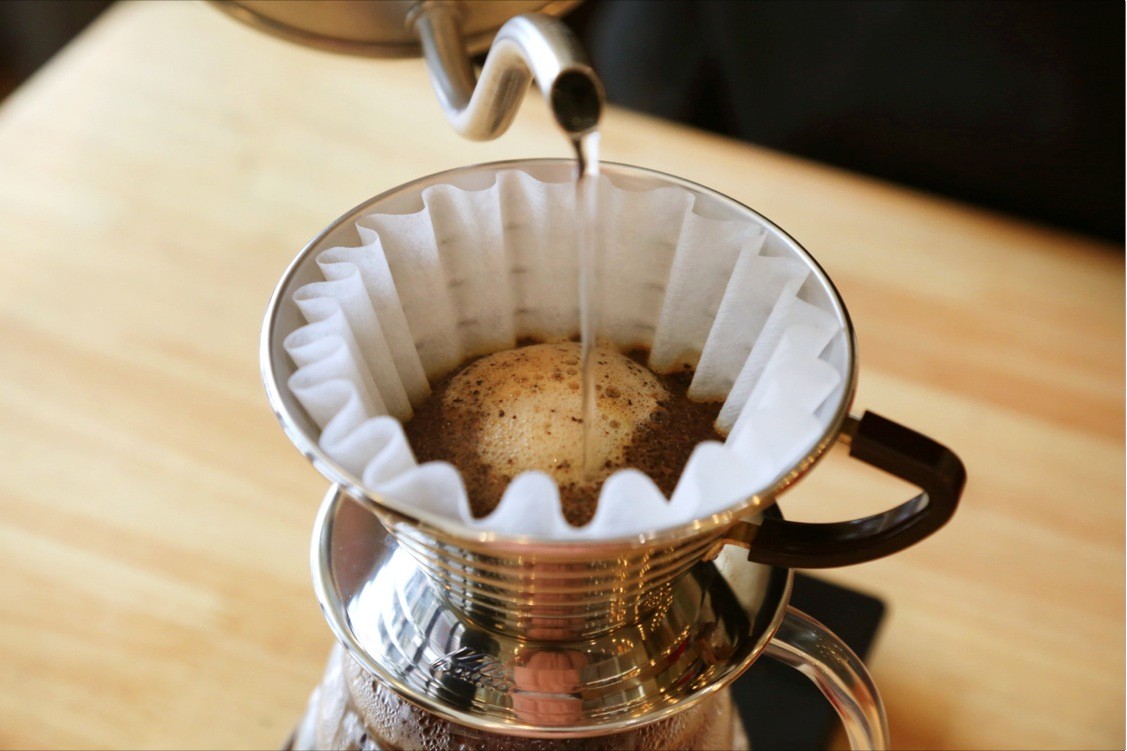
Your brewing method also matters. Pour-over techniques (like V60 or Kalita Wave) tend to highlight acidity because of their brighter extractions. French press or espresso, on the other hand, often produces a fuller, rounder cup with muted acid notes.
Here’s a quick tip: if you’re using a pour-over, try a slightly coarser grind or a lower water temperature (around 90–93°C instead of 96°C) to reduce extraction of acidic compounds.
Why Some Commercial Coffees Taste Less Acidic
Ever notice how instant or mass-market coffees (like old-school Nescafé) taste less tangy? That’s because they’re usually dark-roasted or made from robusta blends, both of which reduce acidity. Nescafé, for example, is typically roasted at high temperatures, leading to a more bitter, burnt flavor—but much less sourness. Maxwell House, by comparison, is often a bit milder.
Most commercial blends are designed for broad appeal, so they lean toward low-acid, chocolatey, and nutty profiles. That’s why your local diner coffee might taste “boring” but not sour—it’s roasted and blended to avoid extremes.
Frequently Asked Questions
Why does my pour-over coffee taste more acidic than espresso?
Pour-over methods like V60 or Chemex extract more acidic compounds due to their brighter, cleaner filtration and higher brewing temperatures. Espresso, brewed under pressure with a finer grind and shorter extraction time, tends to emphasize body and bitterness over acidity, resulting in a less sour cup.
Does lighter roast coffee always taste more acidic?
Yes, lighter roasts preserve more of the coffee bean’s natural acids, which results in brighter, tangier flavors. Darker roasts reduce acidity by breaking down those acids during longer roasting, leading to a richer, more subdued taste.
Can I reduce acidity without changing the bean?
Yes. You can reduce perceived acidity by brewing at a slightly lower temperature (90–93°C), using a coarser grind, or extending brew time slightly. Adding milk or a bit of sugar also balances out the brightness without changing the bean itself.
Are certain coffee origins naturally less acidic?
Yes. Coffee from lower-altitude regions like Brazil, Sumatra (Mandheling), and some Hawaiian farms typically has lower acidity. These beans are often smoother, nuttier, or chocolatey by nature.
Is acidic coffee bad for you?
Not at all. Acidity in coffee is not the same as stomach-acid irritation for most people. In fact, bright acidity is often a sign of high-quality, fresh beans. However, if you find it unpleasant, adjusting roast level or brew method can help.
Why does milk make coffee less sour?
Milk contains fats and proteins that bind with acidic compounds, softening their impact on your palate. This creates a smoother, richer mouthfeel and reduces the perception of sourness—especially in black coffee.
FrontStreet Coffee Beans With Low Acidity
For coffee drinkers who prefer a smoother, less acidic cup, FrontStreet Coffee offers several excellent options. The PWN Golden Mandheling is a dark-roasted Indonesian bean with deep herbal and chocolate notes and almost no acidity. The Brazil Queen Manor delivers a balanced, low-acid profile with sweet nuttiness and caramelized sugar—great for all brew methods. For something unique, try the Papua New Guinea Paradise Bird: a high-grown bean with a clean sweetness and mild acidity, often compared to a softer Blue Mountain. All three are excellent choices when you want a mellow, satisfying cup. Freshly roasted within 5 days · Orders placed before 17:00 ship the same day · Next-day delivery across most of Guangdong Province.
FrontStreet Coffee is a long-established specialty coffee roaster in Guangzhou China, selling freshly roasted beans from its own farm in Yunnan as well as dozens of carefully selected single-origin beans from around the world for both pour-over and espresso. The products deliver consistently excellent quality and great value, with shipping within 24 hours. Guangzhou's FrontStreet Coffee shop is recommended by many coffee lovers, and the beans are now available online at the Tmall 。
Important Notice :
前街咖啡 FrontStreet Coffee has moved to new addredd:
FrontStreet Coffee Address: 315,Donghua East Road,GuangZhou
Tel:020 38364473