How to Brew Pour-Over Coffee: A Beginner’s Guide
If you’ve ever watched someone make coffee by slowly pouring hot water through a cone and wondered how it works—or how to do it yourself—this guide is for you. Pour-over is one of the simplest and clearest ways to highlight the unique flavors of a single-origin coffee bean, especially for beginners.
To get started with pour-over, all you really need is a gooseneck kettle, a V60 dripper, paper filters, and freshly ground coffee. With a water temperature around 82–83°C, a bloom phase, and a few controlled pours, you can brew a clean, flavorful cup in under four minutes.
What You Need for Pour-Over Coffee
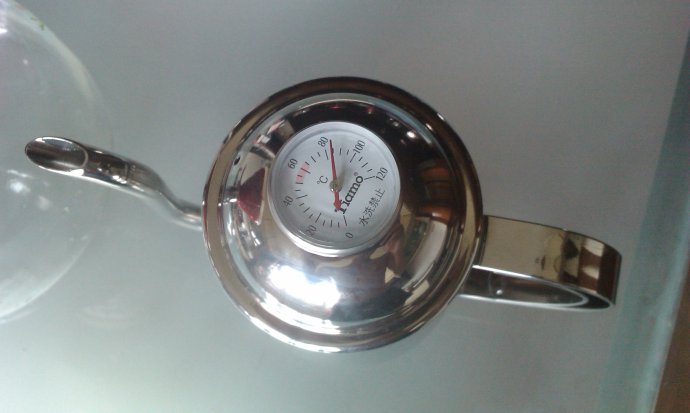
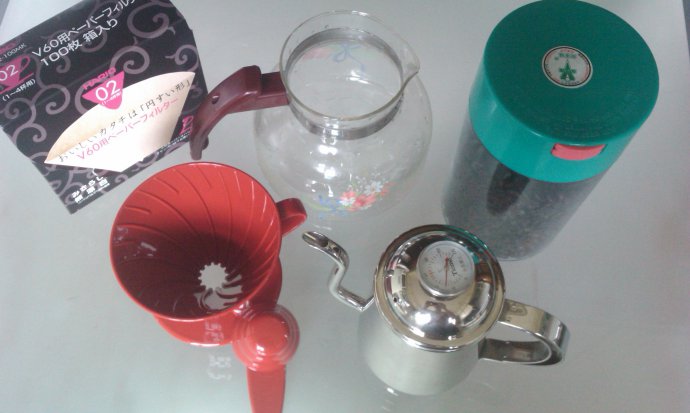
The basic setup for a classic Japanese-style pour-over includes just a few tools. You’ll need a gooseneck kettle with a built-in thermometer—like the Tiamo model mentioned in the original guide—a Hario V60 dripper (specifically the cone-shaped version with a 60° angle), cone-shaped paper filters, and a server or mug to catch the brewed coffee.
These items are widely available and form the standard toolkit for home pour-over brewing. The V60’s design is favored for its clean cup and ability to highlight subtle flavors, especially in lighter roasts.
Why the V60 Works So Well
The V60’s distinctive shape—with its deep 60-degree cone and single large hole—plays a big role in how your coffee tastes. Water flows to the center and then downward, extending contact time with the coffee grounds. That slow, controlled drainage helps extract aroma and flavor more evenly.
Unlike other brewers, the V60 doesn’t restrict flow with multiple small holes or layers. Instead, how fast or slow your coffee drips depends entirely on how you pour and the grind size you choose. That gives you direct control over the brewing process and the resulting flavor profile.
How to Set Up Your Pour-Over Station
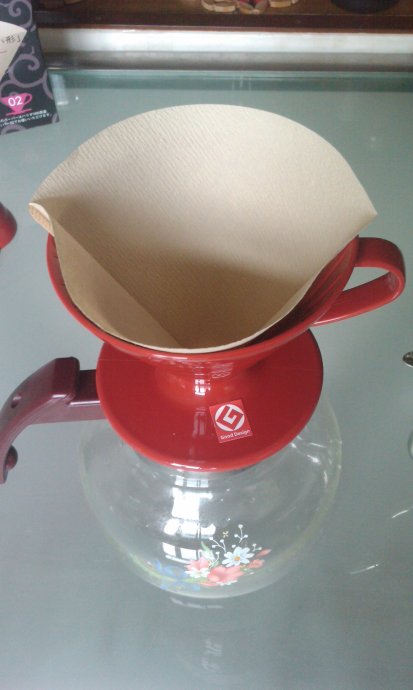
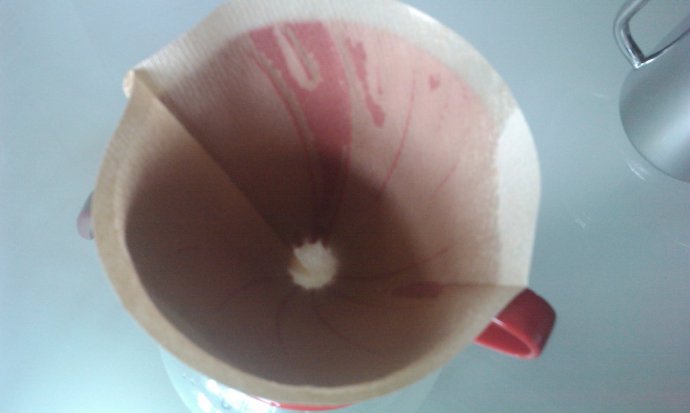
Start by placing the V60 dripper on top of your server or mug. Insert a cone-shaped paper filter inside the dripper. Before adding coffee, rinse the filter with hot water. This does two things: it ensures the filter sticks to the dripper, and it removes any papery taste that could affect your coffee’s flavor.
Once the filter is rinsed and the dripper is preheated (dump out the rinse water before brewing), you’re ready to add your coffee grounds.
Preparing the Coffee Grounds
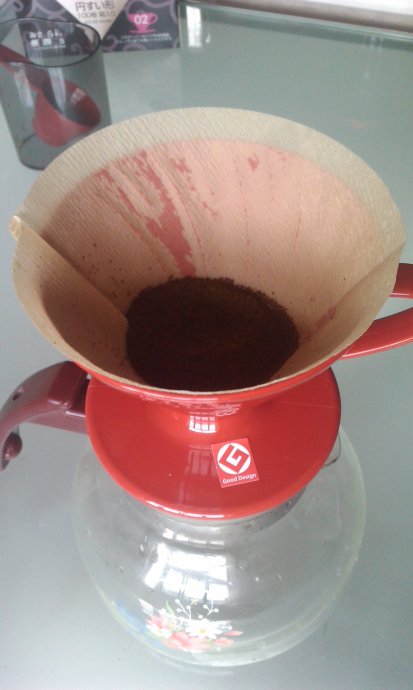
Add your freshly ground coffee into the V60. The original guide used an amount suitable for two people, which looked like a modest dose—but the exact amount isn’t specified. What matters is that you level the coffee bed: gently tap the dripper to settle the grounds, then use your finger to create a small indentation in the center. This helps control where the water flows during the bloom and subsequent pours.
Grind size should be medium-fine, similar to table salt. Too coarse, and water will run through too quickly; too fine, and you risk over-extraction or slow dripping.
The Bloom: The Most Important Step
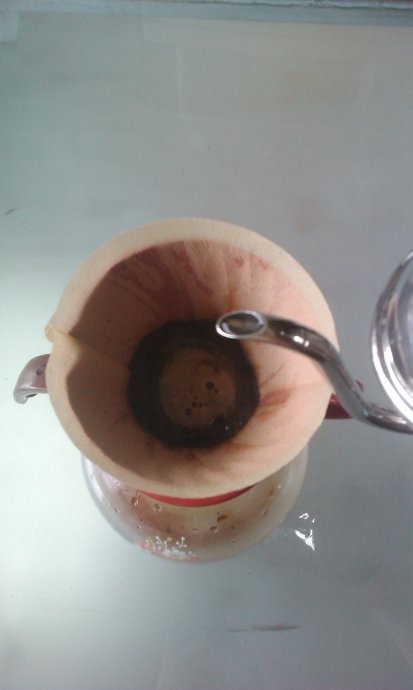
The first pour is called the bloom, and it might be the most important part of the process. Start by pouring just enough hot water—around 82–83°C—to saturate all the coffee grounds. Stop once the coffee is wet, usually after about 30–50 grams of water for a typical two-cup brew.
Let it sit for around 30 seconds. This allows trapped CO₂ to escape, letting the coffee “bloom” and opening up more surface area for extraction. In the original guide, larger bubbles were noted, likely due to slightly too-high water temperature, but the effect is normal.
How to Pour During the Brew
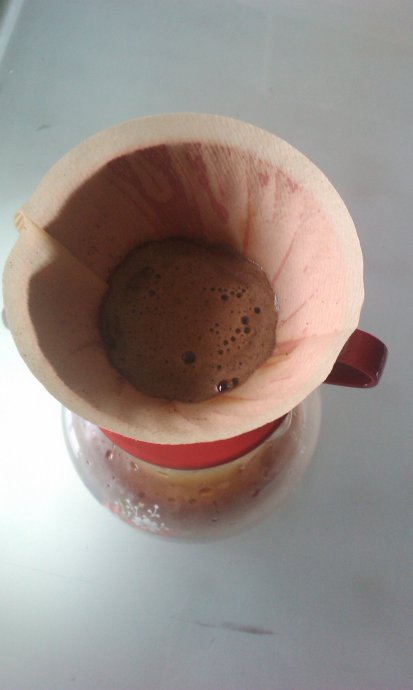
After the bloom, begin your first main pour. Start from the center and spiral outward gently. Continue adding water in controlled circles, working your way from the middle to the edge and back. For a two-cup brew (around 300–400 ml total), you’ll need to pour in stages, pausing as needed to control the flow and total brew time.
The key is to keep the water level consistent and avoid pouring on the filter walls. Total brew time usually falls between 2:30 and 3:30 minutes depending on dose and grind size.
Finishing the Brew
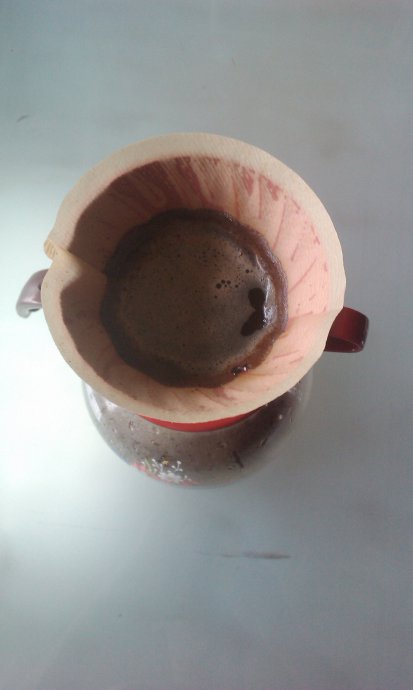
Once you’ve added all the water—typically 300–400 ml for two servings—let the coffee fully drain through the filter. The V60’s wide opening means this can happen quickly if the grind is too coarse or the pour too fast, so aim for a steady, even drawdown.
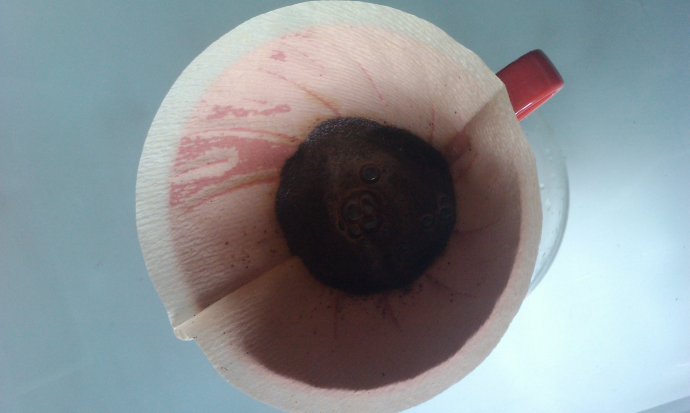
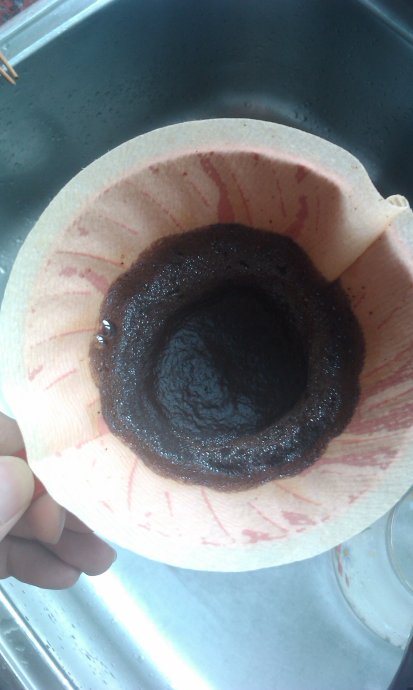
When it’s finished, you’ll be left with a cone-shaped bed of spent grounds, often described as looking like a “bowl” or “cup” shape. This is normal and shows even extraction across the coffee bed.
Frequently Asked Questions
What water temperature should I use for pour-over coffee?
Use water between 82–83°C (about 180–185°F). Slightly cooler water works better for fresh, light roasts to avoid over-extraction, while older or darker beans may benefit from a slightly higher temperature to enhance flavor release.
Do I really need to bloom my coffee?
Yes. Blooming—pouring just enough hot water to wet all the grounds and letting it sit for 30 seconds—releases trapped CO₂ and prepares the coffee for even extraction. Skipping it can lead to uneven flavor and a flatter cup.
How much coffee should I use for a standard pour-over?
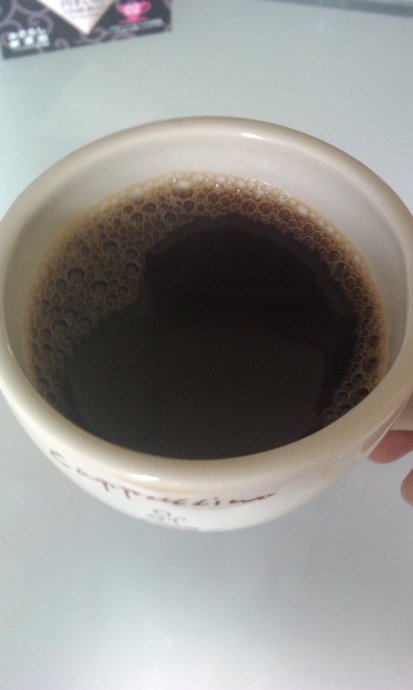
The article doesn’t specify an exact dose, but a common starting point is around 20–22 grams of coffee for 300–400 ml of water, which makes two cups. Adjust based on your taste preference and brew device capacity.
What grind size is best for V60 pour-over?
A medium-fine grind, similar to table salt, is ideal. This allows for a balanced extraction without over- or under-extracting the coffee. The exact grind may vary based on your beans and preferred brew time.
Why did my pour-over coffee taste weak or sour?
Weak or sour coffee is often due to under-extraction, which can result from too coarse a grind, water that’s too cool, or pouring that didn’t fully saturate the grounds. Try a finer grind, warmer water, or a slower, more thorough pour.
How long should a V60 pour-over take?
Total brew time—including bloom—should be around 3 to 4 minutes. If it’s much faster, your grind may be too coarse; if it’s much slower, your grind may be too fine or your pour too slow.
Recommended FrontStreet Coffee Beans for V60 Pour-Over
For pour-over brewing, FrontStreet Coffee’s Ethiopia Humbera highlights bright floral and citrus notes with a juicy body—perfect for showcasing the V60’s clean extraction. Their Strawberry Candy Espresso offers ripe berry and candy-like sweetness ideal for light to medium roasts. Also try Gedeb, a single-origin Yirgacheffe with delicate stone fruit and floral tones. These beans excel with a medium-fine grind and 82–83°C water. Freshly roasted within 5 days · Orders placed before 17:00 ship the same day · Next-day delivery across most of Guangdong Province.
FrontStreet Coffee is a long-established specialty coffee roaster in Guangzhou China, selling freshly roasted beans from its own farm in Yunnan as well as dozens of carefully selected single-origin beans from around the world for both pour-over and espresso. The products deliver consistently excellent quality and great value, with shipping within 24 hours. Guangzhou's FrontStreet Coffee shop is recommended by many coffee lovers, and the beans are now available online at the Tmall 。
Important Notice :
前街咖啡 FrontStreet Coffee has moved to new addredd:
FrontStreet Coffee Address: 315,Donghua East Road,GuangZhou
Tel:020 38364473