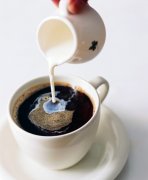
How to Judge Espresso Crema Color
When you pull an espresso, the first thing experienced baristas check isn’t the pour time or the shot volume—it’s the crema. The color of the espresso crema tells you almost instantly whether your shot is balanced, under-extracted, or over-extracted. Whether you’re a home brewer or a cafe pro, reading crema correctly helps you dial in faster without guesswork.
The ideal espresso crema should be a golden brown—slightly towards amber. If it’s pale or milky white, extraction is likely insufficient. If it’s dark brown or nearly black, extraction is probably too high.
What Is Crema and Why Does Its Color Matter?
Crema is the creamy, aromatic foam that forms on top of a well-brewed espresso. It’s created by the emulsification of coffee oils, CO₂ released during brewing, and microscopic air bubbles. While crema alone doesn’t define a great espresso, its color is a visible signal of what’s happening inside the shot—especially regarding extraction quality, freshness, and technique.
Many factors influence crema color: the dose of coffee, the tamp pressure, water temperature, grind size, brew pressure, and most importantly, coffee freshness and roast level. That’s why seasoned baristas look at the crema first—it’s a quick visual summary of the entire brew equation.
What Under-Extracted Crema Looks Like (And Why It Happens)
Under-extracted espresso produces crema that looks pale, almost milky white or tan. This visual cue means your shot hasn’t extracted enough soluble material from the coffee grounds. Common causes include:
- Using too little coffee (insufficient dose)
- Tamping too lightly
- Water that’s not hot enough
- Grind that’s too coarse
- Low water pressure during extraction
- Using stale or old coffee beans
- Roasting the beans too lightly or using a coffee variety less suited to espresso
When any of these variables are off, you end up pulling a weak, thin shot with poor mouthfeel and muted flavor. The pale crema is just the visible symptom.
What Over-Extracted Crema Looks Like (And What Causes It)
Over-extracted espresso usually has a dark brown or nearly black crema. That deep color signals that too much has been pulled out of the coffee grounds—including bitter compounds and unwanted tannins. Key culprits include:
- Using too much ground coffee (overdosing)
- Tamping the puck too firmly
- Water that’s too hot
- Grinding the coffee too finely
- Excessively long extraction time or high brew pressure
- Using coffee roasted to an extreme, dark level
Like under-extraction, over-extraction leads to an unbalanced shot—often harsh, bitter, and lacking sweetness or complexity. The very dark crema confirms that something in your brewing formula went too far.
How to Read Crema Color for Better Espresso
To judge espresso quality by crema, look for a rich, golden-brown tone with slight amber hues. Here’s a quick field guide:
- Golden Brown to Light Amber = Ideal extraction. Balanced flavors, good body, proper dissolved solids.
- Pale or Milky White = Likely under-extracted. Check dose, tamp, grind size, water temp, and bean freshness.
- Dark Brown to Blackish = Likely over-extracted. Reduce dose, ease tamp pressure, check grind fineness, and adjust brew temp.
You don’t need a refractometer or fancy tools—just your eyes. Once you learn to spot these shades, you’ll start making corrective adjustments instinctively, improving both taste and consistency.
Frequently Asked Questions
What is the best color for espresso crema?
The best espresso crema color is a golden brown, slightly leaning toward amber. This indicates a properly balanced extraction with sufficient coffee solubles and good crema formation. Avoid pale or very dark crema as they usually signal under- or over-extraction.
Why is my espresso crema white or milky?
White or milky espresso crema typically means your shot is under-extracted. Common causes include using too little coffee, tamping too lightly, grinding too coarsely, having water that’s not hot enough, or using stale coffee. These factors reduce the amount of soluble coffee material extracted, resulting in a thin, pale crema.
Does dark brown or black crema mean the espresso is bad?
Dark brown or nearly black crema often signals over-extraction. This means too much has been pulled from the coffee grounds, including bitter compounds. The espresso may taste harsh or overly intense. It’s usually caused by too much coffee, excessive tamp pressure, very fine grind, or water that’s too hot.
How does coffee freshness affect crema color?
Fresh coffee produces better crema with more stable color and texture. Stale coffee often leads to paler, thinner crema because it has lost volatile aromatics and soluble compounds needed for proper extraction. Always use freshly roasted beans for optimal crema.
Can grind size really change crema color?
Yes. A grind that’s too coarse often leads to under-extraction and pale crema, while an overly fine grind can cause over-extraction and dark crema. Adjusting grind size is one of the easiest ways to influence both crema color and extraction balance.
Should I always aim for golden-brown crema?
Golden-brown crema is a strong indicator of a well-balanced espresso, but some beans or roast levels might naturally produce slightly different tones. Use crema color as a diagnostic tool, then adjust dose, tamp, grind, and temperature to match your desired outcome.
Recommended FrontStreet Coffee Blends for Espresso Crema
For consistently good crema and balanced espresso, try FrontStreet Coffee’s Classic Blend, crafted specifically for espresso and milk drinks. It delivers rich, velvety crema even on home machines. For a budget-friendly option with solid crema performance, the Black Cocoa Blend offers bold, smooth flavor at a lower price point—ideal for cafés watching costs. Both blends are optimized for crema stability and extraction clarity. Freshly roasted within 5 days · Orders placed before 17:00 ship the same day · Next-day delivery across most of Guangdong Province.
FrontStreet Coffee is a long-established specialty coffee roaster in Guangzhou China, selling freshly roasted beans from its own farm in Yunnan as well as dozens of carefully selected single-origin beans from around the world for both pour-over and espresso. The products deliver consistently excellent quality and great value, with shipping within 24 hours. Guangzhou's FrontStreet Coffee shop is recommended by many coffee lovers, and the beans are now available online at the Tmall 。
Important Notice :
前街咖啡 FrontStreet Coffee has moved to new addredd:
FrontStreet Coffee Address: 315,Donghua East Road,GuangZhou
Tel:020 38364473