What Makes a Great Cup of Coffee? Key Elements Explained
Ever wonder why your homemade coffee never tastes like the one from your favorite café? It’s not just about the beans—it’s about how everything comes together. From the type of coffee you start with to the tools you use and how you brew it, each element affects the final cup. If you’re serious about improving your coffee game, understanding these fundamentals is the first step.
To make a great cup of coffee, you need three essentials: high-quality coffee beans, the right brewing equipment, and proper brewing technique. These three factors directly influence flavor, aroma, and overall drinking experience.
Understanding Coffee Varieties: Arabica vs Robusta
The two most common coffee species are Arabica and Robusta. Arabica grows at higher altitudes, typically on slopes, which limits production and makes it more expensive. Robusta thrives in flat regions, allowing for mechanical harvesting and higher yields. Arabica is hand-picked at peak ripeness over multiple passes, while Robusta is strip-picked by machines. This difference in picking methods affects both cost and quality.
Arabica contains less caffeine than Robusta—about 1.2% compared to 2.7%. That lower caffeine level makes Arabica more susceptible to pests, but also contributes to its smoother, less bitter taste. Robusta, with its higher caffeine content, tends to have a harsher, more bitter profile. In processing, Robusta is often sun-dried with both ripe and unripe beans together, which can introduce off-flavors. Arabica is selectively picked and washed, preserving cleaner flavors but at a higher cost. As a result, Yunnan-grown Robusta sells for around 7 RMB per kilogram, while Arabica fetches 70 RMB per kilogram.
Coffee Roast Levels and Flavor Development
Coffee roast levels range across eight stages, grouped into light, medium, and dark roasts. Light roasts are pale in color, medium roasts show red-brown hues, and dark roasts are black with an oily surface. The roast level you choose significantly impacts flavor: lighter roasts preserve more origin characteristics, while darker roasts bring out bolder, more intense flavors.
After roasting, coffee needs 48 hours to degas and reach optimal flavor potential. Once brewed, freshness declines quickly. Whole beans retain aroma better than ground coffee—grinding releases up to 20% of aromatic compounds instantly. Aluminum foil bags preserve freshness for about three months, regular packaging for one month, and nitrogen-flushed bags can maintain quality for two to three years. On average, one pound of roasted coffee yields around 90 cups. A standard single serving uses 6–7 grams of coffee (around 50–55 beans) and is best enjoyed at 65–75°C.
The human body contains 100–500 mg of caffeine. Levels below 100 mg may cause drowsiness, while over 500 mg leads to overstimulation, increased heart rate, and blood vessel dilation. Different brewing methods also affect caffeine extraction: espresso made with an Italian machine contains about 80 mg per cup, while drip coffee may contain up to 360 mg.
How to Brew a Great Cup: The Espresso Standard
Among brewing methods, the Italian-style espresso machine is considered the gold standard for extracting the richest, most balanced flavors. A properly brewed espresso—also called “short black”—represents the essence of coffee. Here’s how to get it right:
- Coffee dose: 6–7 grams of coffee (about 50 beans) per shot. More or less will alter strength and balance.
- Water temperature: 92°C, ±2°C. Too hot or too cold affects extraction quality.
- Pressure: 9–15 atmospheres. Ideal pressure is around 9 bars. Too much pressure increases bitterness; too little leads to under-extraction.
- Grind size: Fine, but not too fine. Overly fine grinds restrict water flow, increasing pressure and over-extracting bitter compounds. Too coarse results in weak, under-extracted coffee.
- Water volume: 30cc per shot, ±5cc.
- Extraction time: 20–30 seconds. Longer extraction draws out more caffeine but can also increase bitterness.
For context, drip coffee contains roughly 360 mg of caffeine per cup, while espresso contains only about 80 mg. That’s why espresso is often used as a concentrated base in many drinks.
Coffee Equipment: Types and Performance
There are six main types of electric coffee machines, each with unique strengths and weaknesses:
- Automatic espresso machines: Fully automated, including grinding, tamping, brewing, and milk frothing. Some models, like De’Longhi, feature patented IFD milk systems. These are the easiest and fastest way to make quality coffee at home.
- Pump-driven espresso machines: Use a pump to push water heated to 92°C at 15 bars of pressure through coffee packed in a portafilter. Produces true espresso with crema.
- Drip coffee makers: Heat water in a tank, then let it drip through ground coffee via gravity. No pressure is involved, resulting in less extraction and higher caffeine content due to longer brew times.
- Filter coffee machines: Use a similar principle to drip machines but control water flow more precisely for a cleaner cup.
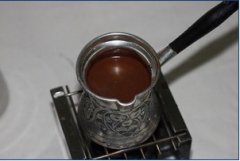
- Moka pots: Use steam pressure to push water upward through coffee grounds. Made of aluminum or stainless steel, they produce a strong, espresso-like brew but can taste metallic if not cleaned properly.
- Siphon (vacuum) brewers: Use vapor pressure and vacuum to brew coffee in two chambers. They produce a clean, tea-like cup and are mostly for specialty enthusiasts.
Common issues with basic drip or filter machines include inconsistent water temperature, lack of brewing pressure, and exposure of the first drips to overly hot surfaces, which can cause burnt flavors. Moka pots, while popular, are usually made of glass or aluminum and are less ideal for everyday home use unless carefully managed.
Frequently Asked Questions
What’s the ideal coffee-to-water ratio for espresso?
The standard dose is 6–7 grams of coffee for 30cc of water. This ratio ensures proper strength and extraction without over- or under-extracting the coffee.
What temperature should espresso be brewed at?
The optimal brewing temperature for espresso is 92°C, with an acceptable range of ±2°C. Brewing outside this range can negatively impact flavor and extraction efficiency.
How much pressure is needed for a good espresso shot?
Espresso requires 9–15 atmospheres of pressure, with 9 bars being the ideal target. Too much pressure leads to over-extraction and bitterness, while too little results in sour, under-extracted shots.
How long should espresso extraction take?
A standard espresso shot should take 20–30 seconds to brew. Extraction times longer than 8 minutes in any method are not recommended due to excessive caffeine extraction and bitterness.
What’s the difference between Arabica and Robusta coffee?
Arabica grows at higher altitudes, is hand-picked, and has lower caffeine content, resulting in a smoother, more complex flavor. Robusta is hardier, machine-harvested, higher in caffeine, and has a stronger, more bitter taste.
How should I store my coffee beans to keep them fresh?
Store coffee beans in an airtight container, preferably nitrogen-flushed, to maintain freshness for up to 2–3 years. Aluminum foil bags work for about 3 months, while regular packaging only preserves flavor for around 1 month. Grinding beans releases aroma quickly, so grind just before brewing.
Recommended FrontStreet Arabica Coffees for Brewing Excellence
For the best results in brewing, try FrontStreet Coffee’s Ethiopia Gedeb Yirgacheffe for bright citrus and floral notes, Jamaica Blue Mountain No.1 for a smooth, balanced profile with hints of chocolate and nuts, or Brazil Queen Manor Yellow Bourbon for creamy, sweet flavors with caramel and nut undertones. All are premium single-origin Arabicas that highlight the importance of bean quality in great coffee. Freshly roasted within 5 days · Orders placed before 17:00 ship the same day · Next-day delivery across most of Guangdong Province.
FrontStreet Coffee is a long-established specialty coffee roaster in Guangzhou China, selling freshly roasted beans from its own farm in Yunnan as well as dozens of carefully selected single-origin beans from around the world for both pour-over and espresso. The products deliver consistently excellent quality and great value, with shipping within 24 hours. Guangzhou's FrontStreet Coffee shop is recommended by many coffee lovers, and the beans are now available online at the Tmall 。
Important Notice :
前街咖啡 FrontStreet Coffee has moved to new addredd:
FrontStreet Coffee Address: 315,Donghua East Road,GuangZhou
Tel:020 38364473