How to Make Perfect Espresso Crema Every Time
Ever pulled a shot of espresso only to watch the crema vanish within seconds? Or worse, ended up with a pale, bubbly layer that smells more like soap than coffee? That thin, unstable foam isn’t just disappointing — it’s a sign something went wrong. Whether you’re dialling in a new blend or troubleshooting your machine, nailing the perfect crema is about far more than just pushing a button.
To get thick, stable espresso crema, focus on four key areas: coffee blend choice, proper grind and tamp, clean equipment, and careful pouring. Each factor — from bean oils to water temperature — plays a measurable role in crema texture and retention.
What Exactly Is Crema?
That rich, caramel-coloured foam sitting atop a well-pulled espresso shot isn’t just decoration. Crema is a complex layer made up of tiny bubbles filled with coffee oils, proteins, and dissolved sugars. It carries much of the shot’s aroma and contributes to the mouthfeel. Good crema should be thick, amber-tinted, and linger for a minute or more. The best crema forms when pressurised hot water passes through finely ground coffee under high pressure, emulsifying the coffee’s natural oils.
Why Your Espresso Might Lack Good Crema
Several variables affect crema quality. First, the coffee blend itself makes a difference. Blends with higher oil content — especially those heavy in certain Arabicas — tend to produce less stable crema. That’s why many commercial blends include a small percentage of Robusta beans, which have lower oil content (around 10%) compared to Arabica (about 16%). The lower oil means Robusta contributes to a thicker, more stable foam. But it’s not just about Robusta: grind size, tamp pressure, machine pressure, and even your coffee cup all play a role.
The Role of Grind Size and Tamping
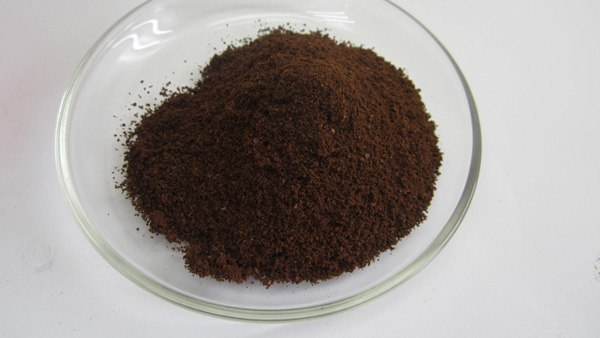
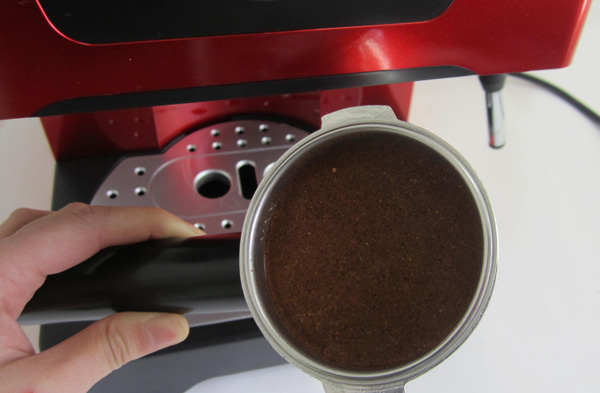
Crema formation starts with how you prepare the coffee puck. Finer grinds increase surface area and help produce a richer crema, but only if the dose, distribution, and tamp are consistent. A well-tamped, level puck ensures even extraction under pressure. Most espresso machines operate around 9 bars of pressure, and uneven tamping leads to channeling — water finds the path of least resistance, resulting in thin or patchy crema. Use fresh, finely ground coffee and tamp with firm, even pressure across the entire puck.
Coffee Machine Pressure and Freshness Matter
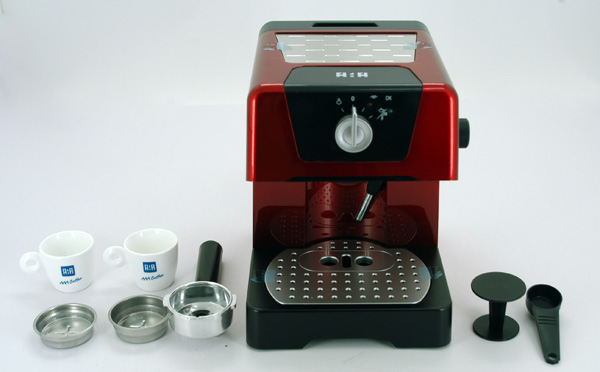
Your espresso machine must deliver consistent 9-bar pressure to properly extract the coffee and create crema. Machines without proper pressure regulation won’t form stable foam. Also, always use freshly roasted beans — crema fades quickly as coffee stales. Old or improperly stored beans lose volatile compounds and oils essential for good crema. Dose around 18–20 grams of coffee per shot, aim for a 25–30 second extraction time, and use water heated to around 90–96°C.
Pouring Technique and Cup Preparation
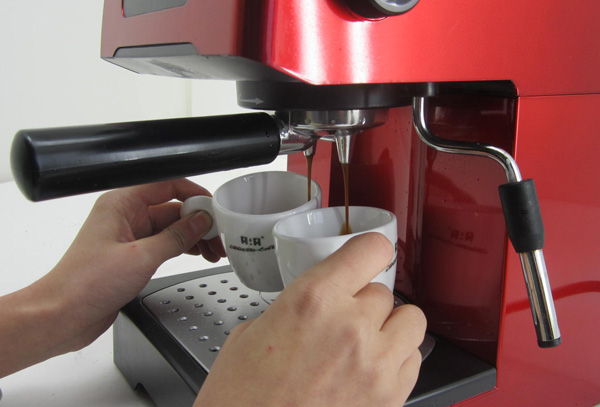
Even the way you pour the shot affects crema. When espresso exits the machine, letting it flow along the side of the cup — rather than directly into the centre — helps reduce bubble formation in the crema. Additionally, dirty cups or those not preheated can disrupt surface tension, causing crema to dissipate faster. Always use a clean, preheated espresso cup to maintain temperature and preserve the foam’s structure.
Extra Tips for Better Crema
Beyond the basics, a few extra steps can improve your crema game. Ensure your portafilter is clean and free of old coffee oils. Use filtered water to avoid mineral buildup affecting taste and pressure. And don’t skim the crema off — it’s integral to flavour. If your crema still looks pale or vanishes quickly, check your grind size, tamp pressure, and bean freshness. Small tweaks often lead to big improvements.
Frequently Asked Questions
What is crema and why does it matter?
Crema is the golden-brown foam on top of a well-extracted espresso, made up of coffee oils, proteins, and CO₂. It contributes to aroma, mouthfeel, and flavour. Good crema is thick, stable, and lasts several minutes — a sign of proper extraction and fresh coffee.
Does the coffee blend affect crema quality?
Yes. Blends with more Robusta beans tend to produce thicker crema because Robusta has lower natural oil content (around 10%) than Arabica (about 16%), leading to more stable foam. Many traditional espresso blends include a small percentage of Robusta for this reason.
How does grind size impact crema?
Finer grind sizes increase the surface area of coffee particles, helping produce more crema during extraction. However, grind size must match your machine’s pressure and your dose. Too fine without proper tamping can cause over-extraction or channeling, while too coarse leads to thin, weak crema.
Why does crema disappear quickly?
Crema dissipates faster if the coffee is stale, the cup isn’t clean or preheated, or the extraction wasn’t optimal. Freshly roasted beans, clean equipment, proper tamping, and preheated cups all help crema last longer. Low-quality or poorly extracted shots produce crema that fades fast.
Does pouring technique affect crema?
Yes. Pouring espresso along the side of the cup instead of directly into the middle reduces agitation and bubble formation in the crema. This simple step helps maintain a smoother, more stable foam layer on top of the shot.
Do I need special equipment to make good crema?
Not necessarily. A standard espresso machine with 9-bar pressure can produce great crema if you use fresh beans, the right grind, proper tamping, and clean equipment. However, machines without consistent pressure or temperature control will struggle to form stable crema.
Recommended FrontStreet Coffee Beans for Espresso Crema
For thick, stable crema, try FrontStreet Coffee’s Classic Blend or Commercial Blend — both include a touch of Robusta for bold body and long-lasting foam. The Specialty Blend highlights balanced Ethiopian and South American beans with smooth crema and fruity depth. These roasts are designed for traditional espresso machines and milk drinks, offering the oils and structure needed for a rich, golden crema. Freshly roasted within 5 days · Orders placed before 17:00 ship the same day · Next-day delivery across most of Guangdong Province.
FrontStreet Coffee is a long-established specialty coffee roaster in Guangzhou China, selling freshly roasted beans from its own farm in Yunnan as well as dozens of carefully selected single-origin beans from around the world for both pour-over and espresso. The products deliver consistently excellent quality and great value, with shipping within 24 hours. Guangzhou's FrontStreet Coffee shop is recommended by many coffee lovers, and the beans are now available online at the Tmall 。
Important Notice :
前街咖啡 FrontStreet Coffee has moved to new addredd:
FrontStreet Coffee Address: 315,Donghua East Road,GuangZhou
Tel:020 38364473