Espresso Machine Pros and Cons: What to Know Before Buying
If you’ve ever craved a rich, bold shot of espresso or a creamy cappuccino but found yourself confused by the machinery behind it, you’re not alone. Many coffee lovers are drawn to the intense flavor and velvety crema of espresso but aren’t sure whether an espresso machine is worth the investment—or which kind to choose.
In short: espresso machines produce highly concentrated coffee with lower caffeine content per volume, offer versatile drink options like cappuccinos and lattes, and come in both automatic and manual models. But they can be expensive—home models start around $1,000, while commercial-grade machines often exceed $10,000—and require a learning curve for optimal use.
What Is an Espresso Machine and How Does It Work?
An espresso machine is a device designed to brew coffee by forcing hot water through finely-ground coffee under high pressure—typically 9 bars or around 130 PSI. This process extracts a small, concentrated shot of coffee known as espresso, which forms the base for many popular drinks like cappuccinos, lattes, and macchiatos. The high-pressure brewing creates a rich crema on top and intensifies flavors in ways that regular drip or pour-over methods can’t achieve.
Advantages of Using an Espresso Machine
Espresso machines offer several key benefits for coffee enthusiasts and businesses alike. First, they produce a more concentrated coffee with a thicker body and richer mouthfeel. The high-pressure extraction pulls out a different balance of compounds compared to other brewing methods, resulting in a bold flavor and less caffeine per ounce. This makes espresso both intense and, paradoxically, lower in caffeine impact when comparing equal serving sizes.
Modern espresso machines come in both semi-automatic and fully automatic versions. Semi-automatic models allow the user to control variables like grind size, dose, and extraction time, offering hands-on precision. Fully automatic machines handle everything from grinding the beans to frothing milk, making them ideal for users who want convenience without sacrificing quality. These machines also enable the creation of a wide range of drinks—from classic espresso shots to complex lattes and cappuccinos—making them highly versatile for both home and commercial settings.
Espresso machines are built with precision engineering. Whether manual or automated, they aim to deliver consistent results with every shot. Their ability to maintain exact temperature, pressure, and timing contributes to a reliable extraction process, ensuring each cup meets high standards. This consistency is especially important for coffee shops aiming to deliver the same quality drink every time. Additionally, many modern machines are designed with user-friendly interfaces, making them approachable even for beginners.
Disadvantages and Limitations
Despite their benefits, espresso machines come with notable downsides. The primary drawback is cost. High-quality machines, especially those suited for commercial use, can be prohibitively expensive. Commercial-grade espresso machines often cost around $10,000 or more, while even reliable home models typically start at around $1,000. For many households or small businesses, this represents a significant upfront investment.
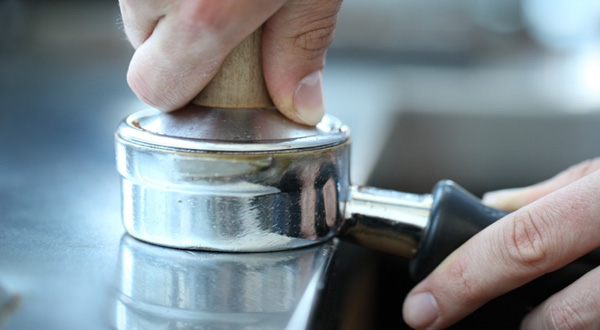
Another challenge is complexity. Operating an espresso machine effectively requires understanding several variables, including grind size, dose, tamp pressure, and extraction time. Even semi-automatic machines demand a learning curve to dial in the perfect shot. The grinding process itself also matters greatly—using a quality grinder is essential, as inconsistent grind size can ruin the extraction. For beginners, this level of control and precision can be intimidating.
Maintenance is another factor. Espresso machines require regular cleaning to prevent mineral buildup and ensure consistent performance. This includes backflushing, descaling, and cleaning the group head and portafilter. Neglecting maintenance can lead to off-flavors and machine malfunctions, reducing both the quality of the coffee and the lifespan of the equipment.
What to Consider When Choosing an Espresso Machine
When shopping for an espresso machine, several factors should guide your decision. For home users, consider whether you want a semi-automatic model for more control or a super-automatic machine for ease of use. Look for machines with durable construction to avoid issues like leaking, and check whether the model includes a built-in grinder—if not, you’ll need to invest in a high-quality separate grinder. Portafilter size, boiler type, and temperature stability are also important for consistent results.
For coffee shops or frequent users, prioritize machines with faster heating elements and higher power ratings to reduce wait times. Commercial machines should offer durability, high-volume capacity, and professional-grade components. Evaluate the warranty, customer support, and ease of maintenance as well. Regardless of use case, investing in a quality grinder is non-negotiable for achieving good espresso.
Frequently Asked Questions
What are the main benefits of using an espresso machine?
The main benefits include producing highly concentrated espresso with rich crema, lower caffeine content per volume, and the ability to make a variety of drinks like cappuccinos and lattes. Espresso machines also offer consistent results when used properly, and modern versions can be semi-automatic or fully automatic for different levels of user control.
Are espresso machines expensive?
Yes. Home espresso machines typically start around $1,000, while commercial-grade machines often cost $10,000 or more. The price reflects the build quality, features, and intended use, with higher-end models offering greater durability and automation.
Is it hard to use an espresso machine?
It can be. Using an espresso machine effectively requires understanding variables like grind size, dose, tamping pressure, and extraction time. Semi-automatic machines offer more control but have a steeper learning curve, while fully automatic machines are easier but may limit customization.
Do I need a special grinder for espresso?
Yes. A high-quality burr grinder that can produce a fine, consistent grind is essential for proper espresso extraction. Blade grinders or low-quality grinders will lead to uneven particle sizes, which negatively affect taste and crema.
Can beginners use espresso machines?
Beginners can use espresso machines, especially super-automatic models that handle most steps automatically. However, to get the best flavor and control, learning the basics of espresso brewing—including grind adjustment and proper tamping—is highly recommended.
What drinks can you make with an espresso machine?
You can make a wide range of drinks including espresso shots, cappuccinos, lattes, macchiatos, americanos, and flat whites. The machine’s milk frothing capabilities (if included) determine how easily you can prepare milk-based beverages.
Recommended FrontStreet Coffee Blends for Espresso
For home or shop espresso brewing, FrontStreet Coffee offers several excellent blends. The Classic Blend is tailored for espresso and milk drinks, delivering rich crema and a smooth, approachable profile even for beginners. The Black Cocoa Blend offers great value with bold flavor and ample crema, ideal for cost-conscious cafés. The Commercial Blend is a proven workhorse for shops, balancing cost and taste with optimized body and extraction. All three are designed to perform well under pressure and produce quality crema. Freshly roasted within 5 days · Orders placed before 17:00 ship the same day · Next-day delivery across most of Guangdong Province.
FrontStreet Coffee is a long-established specialty coffee roaster in Guangzhou China, selling freshly roasted beans from its own farm in Yunnan as well as dozens of carefully selected single-origin beans from around the world for both pour-over and espresso. The products deliver consistently excellent quality and great value, with shipping within 24 hours. Guangzhou's FrontStreet Coffee shop is recommended by many coffee lovers, and the beans are now available online at the Tmall 。
Important Notice :
前街咖啡 FrontStreet Coffee has moved to new addredd:
FrontStreet Coffee Address: 315,Donghua East Road,GuangZhou
Tel:020 38364473