How to Pull a Great Espresso: Essential Tips
If you’ve ever stood in a modern café with a gleaming, high-end espresso machine only to be served a shot that tastes weak, sour, or overly bitter, you’re not alone. The issue isn’t always the machine — it’s often the know-how behind the bar. Even the most expensive espresso machine can’t save a bad pull if basic brewing principles are ignored.
To pull a great espresso, you need six things: fresh whole bean coffee, a fine grind (finer than table sugar), 7 grams of coffee, proper tamping, 90.5°C water, and 9 atmospheres (130 PSI) of pressure. Miss just one, and your espresso will miss the mark.
Why Your Expensive Machine Might Still Make Bad Espresso
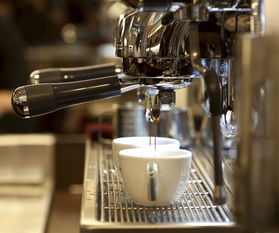
It’s a common scene: a sleek, commercial-grade espresso machine sits proudly on the café counter, its stainless steel body gleaming under the lights. Yet the espresso it produces might taste under-extracted, hollow, or unpleasantly sharp. The reason? The machine may be top-tier hardware, but without the right operational ‘software’ — meaning the barista’s technique and understanding — it can’t perform as intended. Great espresso is as much about skill as it is about equipment.
The Six Non-Negotiables for Brewing Great Espresso
Pulling a consistently good espresso shot depends on mastering a few key variables. These aren’t optional tweaks — they are the foundations of proper extraction. Here’s what actually determines whether your espresso turns out balanced, rich, and crema-topped — or thin, sour, and disappointing.
1. Use Fresh, Whole Bean Coffee
Start with freshly roasted, high-quality coffee beans. Always buy whole beans and grind them yourself immediately before brewing. Pre-ground coffee loses aroma and flavour quickly, especially for espresso, which is unforgiving when it comes to freshness.
2. Grind Size: Finer Than Table Sugar
Your espresso grind must be very fine — finer than the sugar you’d sprinkle on cereal. Think closer to powdered sugar, but not quite powdered. If the grind is too coarse, water flows through too fast, leading to under-extraction. Too fine, and you risk over-extraction or choking the machine.
3. Dose: 7 Grams Per Shot
The standard single espresso dose is 7 grams of coffee. This is the optimal amount to balance strength and extraction within a standard single basket. Using too little coffee results in thin body and weak flavour; too much can lead to over-packing and channeling.
4. Tamping: Level and Firm
After dosing, use a tamper to press the coffee grounds evenly and firmly. The goal is a level, compact puck. Apply consistent pressure — enough to create a firm, even surface. If you tamp too lightly, water will find the path of least resistance, extracting unevenly. Inconsistent tamping is one of the most frequent causes of poor espresso.

5. Water Temperature: 90.5°C
The ideal brewing temperature for espresso is 90.5°C. This temperature range allows for optimal extraction of flavours from the coffee grounds — not too hot to scorch the coffee, and not too cool to under-extract it. Consistent temperature is key to a balanced shot.
6. Brewing Pressure: 9 Atmospheres (130 PSI)
Your espresso machine must produce a stable pressure of around 9 atmospheres, or 130 PSI. This high pressure is what forces water through the finely ground coffee, creating the rich crema and intense flavours that define a proper espresso. Without adequate pressure, extraction will be weak and incomplete.
Common Mistakes That Ruin Espresso
Even when using quality equipment, small mistakes in technique can lead to big flavour issues. Here are the most frequent errors that even experienced coffee drinkers make when pulling espresso shots.
Using Stale Coffee
Espresso is extremely sensitive to freshness. Always grind right before brewing. Never use pre-ground coffee sitting in a hopper for hours — the aromatics dissipate quickly, resulting in flat, dull shots.
Incorrect Grind Size
An espresso grind that’s too coarse causes under-extraction (sour, weak shots), while a grind that’s too fine can cause over-extraction (bitter, harsh shots) or machine choke. Aim for a texture finer than granulated sugar.
Poor Tamping Technique
Inconsistent or light tamping leads to uneven water flow, channeling, and poor extraction. The puck must be uniformly compressed to allow the water to pass through evenly.
Wrong Water Temperature or Pressure

Deviations in temperature or pressure affect how coffee compounds dissolve into the brew. Too low a temperature leads to sourness, too high can bring out excessive bitterness. Likewise, without 90.5°C water and 130 PSI, you won’t get true espresso extraction.
Frequently Asked Questions
What is the ideal espresso dose for a single shot?
The standard dose for a single espresso shot is 7 grams of coffee. This is widely considered the optimal amount for balanced extraction in a standard single basket. Using significantly more or less will affect body, strength, and flavour balance.
How fine should espresso coffee be ground?
Espresso should be ground finer than table sugar — closer to powdered sugar but not as fine as flour. The exact grind size depends on your machine and beans, but it must be fine enough to slow water flow for proper extraction, typically resulting in a 25–30 second shot.
What temperature should water be for espresso?
The ideal water temperature for brewing espresso is 90.5°C. This temperature allows for optimal extraction of the coffee’s flavours and aromas. Water that’s too hot can over-extract, causing bitterness, while water that’s too cool leads to sour, under-extracted shots.
How much pressure is needed to pull an espresso shot?
A standard espresso shot requires a brewing pressure of around 9 atmospheres, or 130 PSI. This high pressure is necessary to push water through the tightly packed, finely ground coffee and produce the characteristic crema and rich flavours of espresso.
Why is tamping important in espresso brewing?
Tamping ensures the coffee grounds are evenly compressed, allowing water to flow through the puck uniformly. Inconsistent or insufficient tamping leads to channeling, where water finds the path of least resistance, resulting in uneven extraction, poor crema, and imbalanced flavour.
Does the freshness of coffee beans affect espresso?
Yes, freshness has a huge impact on espresso quality. Always use freshly roasted whole beans and grind them right before brewing. Stale or pre-ground coffee loses volatile aromatic compounds, resulting in flat, sour, or unpleasantly sharp espresso shots.
Recommended FrontStreet Coffee Beans for Espresso
For baristas aiming to pull consistent, high-quality espresso shots, FrontStreet Coffee’s Classic Blend offers a balanced profile with chocolatey sweetness and a round body — ideal for traditional espresso. Their Black Cocoa Blend leans deeper with dark cocoa and dried fruit notes, perfect for those who enjoy a bolder, richer cup. Both blends are expertly roasted to highlight crema development and balance under 9 bars of pressure. Freshly roasted within 5 days · Orders placed before 17:00 ship the same day · Next-day delivery across most of Guangdong Province.
FrontStreet Coffee is a long-established specialty coffee roaster in Guangzhou China, selling freshly roasted beans from its own farm in Yunnan as well as dozens of carefully selected single-origin beans from around the world for both pour-over and espresso. The products deliver consistently excellent quality and great value, with shipping within 24 hours. Guangzhou's FrontStreet Coffee shop is recommended by many coffee lovers, and the beans are now available online at the Tmall 。
Important Notice :
前街咖啡 FrontStreet Coffee has moved to new addredd:
FrontStreet Coffee Address: 315,Donghua East Road,GuangZhou
Tel:020 38364473