Essential Coffee Basics Every Beginner Needs to Know
If you’re new to coffee, you’ve probably heard confusing advice: that it’s too strong, too expensive, or too complicated. But the truth? Coffee is just a drink—and like any drink, what matters most is whether you enjoy it. You don’t need to be an expert to make a great cup. You just need the right info to get started.
Here’s the quick answer: Good coffee is whatever tastes good to you. But to understand more, you’ll want to know the basic types (like espresso or pour-over), the tools (from moka pots to drip machines), and how to actually enjoy it—whether black or with milk. Below, we break it all down clearly.
What Makes Coffee ‘Good’? It’s Simpler Than You Think
Coffee isn’t mysterious. It’s a beverage, plain and simple. You can drink it however you like—as long as it tastes good to you, it’s good coffee. Of course, developing a deeper sense of what ‘good’ means takes practice, but that’s part of the fun. Coffee can boost your mood, improve focus, and be a rewarding hobby. Don’t let coffee snobs scare you off. Outside China, coffee is as everyday as soy milk.
Common Coffee Types: From Instant to Espresso
Here’s a breakdown of the most common coffee drinks you’ll encounter:
- Instant Coffee: Quick and easy, made with powdered coffee. Flavor is basic, and it’s usually prepared in a mug. Great for convenience.
- Single Origin Coffee: Unflavored black coffee that highlights the unique taste of beans from a specific region. You can drink it black to appreciate its natural flavors—like the floral, citrusy notes of Yirgacheffe or the earthy, spicy Mandheling. Common tools include pour-over drippers, French press, siphon, AeroPress, Moka pot, and drip machines.
- Espresso: A thick, concentrated shot (30–45ml) made under high pressure using a professional or home espresso machine—or even a Moka pot. It’s the base for most milk-based drinks and is especially popular in Europe.
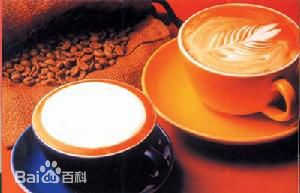
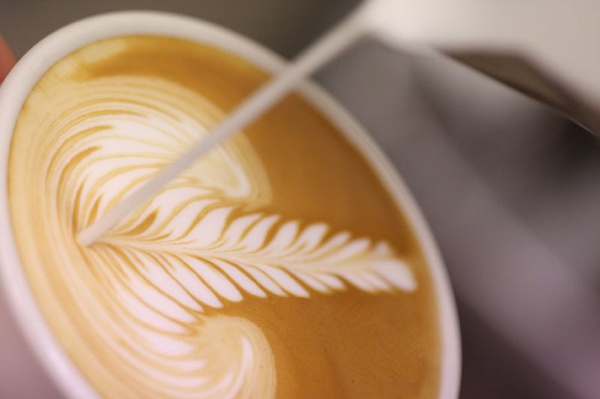
- Fancy Coffee Drinks : These are espresso-based drinks mixed with milk, sugar, syrups, or even fruit. The milk foam is a key element, often created with a steam wand or handheld frother.
Coffee Brewing Tools: What’s Actually Out There
You don’t need fancy gear to start. Here are 13 common brewing tools, from simplest to most specialized:
- Turkish Coffee Pot
- Naples Pot
- Vietnamese Drip Filter
- Pour-Over Dripper (Hand Drip)
- French Press (Plunger Pot)
- Cold Drip/Iced Drip
- Electric Drip Coffee Maker (Standard American Coffee Machine)
- Siphon (Vacuum Pot)
- Moka Pot
- Belgian Coffee Maker
- Espresso Machine (Home or Commercial Semi-Automatic)
- Automatic Coffee Machine
- Pod/Capsule Coffee Machine
How to Actually Drink Coffee the Right Way
Drinking coffee involves more than just sipping. Here’s how to get the most out of every cup:
- Temperature: Drink it hot, but not scalding. Let it cool slightly if needed—just don’t wait too long.
- Sip Size: Take bigger sips. Small sips only hit part of your taste buds. Let the coffee move around your whole mouth to experience the full flavor. Professionals even slurp it (yes, really) to spray it across their palate—but it’s okay to start without that.
- Aromas: Smell the dry coffee grounds before brewing—that’s the “dry aroma.” After brewing, smell the brewed coffee—that’s the “wet aroma.” Both add to the experience.
- Cup Prep: Always preheat your cup. This keeps the coffee stable and preserves its flavors.
- Add-Ins: If you take sugar or milk, add sugar first—it dissolves better in hot coffee. Use fresh milk instead of creamers or non-dairy substitutes when possible. For single origins, try reducing sugar and milk gradually to appreciate the bean’s natural taste. Yellow sugar is a good choice for balance.
- Etiquette: Stir your coffee once, then set the spoon down. Don’t drink from the stirring spoon. Siphon-brewed coffee should cool a bit before drinking. French press coffee benefits from a 20-second rest to let fine grounds settle. Pour-over coffee is ready to drink immediately.
- Timing: Don’t sip too slowly. Most single-origin coffees are best enjoyed within 10 minutes. That said, some coffees develop interesting flavors as they cool—so try leaving the last sip to cool before drinking.
- Espresso: Drink it right away. If it’s too hot to take a sip, it’s not properly pulled. While some gulp it down, the ideal way is to take 2–3 small sips to enjoy its thick, rich texture. Italians often add multiple sugars to espresso—some even scrape the undissolved sugar from the bottom. You can try this, or simply drink it straight if you prefer.
Frequently Asked Questions
What’s the difference between single origin and espresso coffee?
Single origin coffee highlights the unique flavors of beans from a specific region or farm, often enjoyed black to appreciate its natural characteristics—like fruity or floral notes. Espresso is a concentrated coffee (30–45ml) made under pressure, typically used as a base for milk drinks or enjoyed straight in smaller quantities. Both can be high quality, but they’re brewed and experienced differently.
Do I need expensive equipment to make good coffee?
No. You can make great coffee with tools as simple as a pour-over dripper or French press, which often cost just a few dollars. The quality of your coffee depends more on technique, freshness, and grind size than on how much your equipment costs.
Is espresso stronger than regular coffee?
Espresso has more caffeine per milliliter, but because it’s served in such a small volume (30–45ml), a single shot usually contains less total caffeine than a standard cup of drip coffee. The intensity comes from its concentration, not necessarily higher caffeine content overall.
How should I store my coffee beans?
While not covered in the original article, a good rule is to keep beans in an airtight container away from light, heat, and moisture. Avoid storing them in the fridge or freezer unless necessary, as temperature changes can degrade freshness.
Can I add milk to single origin coffee?
Yes, you can—but doing so will mask some of the bean’s unique flavors. Many coffee drinkers recommend trying single origins black first, then adding milk later if you prefer. This helps you learn to appreciate the bean’s natural taste profile.
Recommended FrontStreet Coffee Beans for Beginners
Start your coffee journey with FrontStreet’s Ethiopia Humbera (Yirgacheffe), known for its bright floral and citrus notes, or the Gedeb water-washed coffee with sweet berry and tropical fruit highlights. For something smoother and sweeter, try the Brazil Queen Manor with nutty, chocolatey flavors and a creamy body. These beans are perfect for pour-over, French press, or espresso experimentation. Freshly roasted within 5 days · Orders placed before 17:00 ship the same day · Next-day delivery across most of Guangdong Province.
FrontStreet Coffee is a long-established specialty coffee roaster in Guangzhou China, selling freshly roasted beans from its own farm in Yunnan as well as dozens of carefully selected single-origin beans from around the world for both pour-over and espresso. The products deliver consistently excellent quality and great value, with shipping within 24 hours. Guangzhou's FrontStreet Coffee shop is recommended by many coffee lovers, and the beans are now available online at the Tmall 。
Important Notice :
前街咖啡 FrontStreet Coffee has moved to new addredd:
FrontStreet Coffee Address: 315,Donghua East Road,GuangZhou
Tel:020 38364473