
Why Specialty Coffee Is So Addictive: The Science Behind the Buzz
Ever wonder why that one cup of specialty coffee keeps you coming back—sharper, fruitier, more alive than your usual diner brew? It’s not just caffeine. The difference lies in the beans, the processing, and how it’s brewed. Once you taste what real specialty coffee can deliver, regular coffee just doesn’t compare.
The short answer? Specialty coffee—always Arabica, always scoring 80+ in cupping tests—is crafted from beans with unique genetic traits, processed carefully (either washed or natural), and brewed to highlight sweetness, acidity, and body. That combination creates a drink that’s balanced, complex, and genuinely pleasurable.
What Makes Coffee ‘Specialty’?
All specialty coffee comes from the Arabica species and must score 80 points or higher in professional cupping evaluations. These beans are grown with care, processed precisely, and roasted to highlight their natural traits—not masked or overpowered.
Washed vs. Natural: Not Better, Just Different
There’s no superior method between washed and natural processing. They simply produce different flavor profiles:
- Washed : Delivers floral, fresh aromas and bright, crisp acidity. Think jasmine, lemon, and clean berry notes.
- Natural : Offers fruity, fermented richness with wine-like or berry sweetness and a heavier mouthfeel. Common notes include tropical fruit, berries, and honey.
These differences arise from how the coffee cherry is handled after harvest. Washed removes the skin and pulp early, emphasizing clarity. Natural dries the bean inside the fruit, allowing more fermentation and deeper fruit character.
The Genetic Magic of Arabica
Arabica coffee plants self-pollinate, which means each plant’s flavor is influenced subtly by its immediate environment—nearby plants, altitude, soil, and climate. This isolation leads to unique flavor fingerprints, much like terroir in wine. No two Arabica beans are exactly alike, even from the same farm.
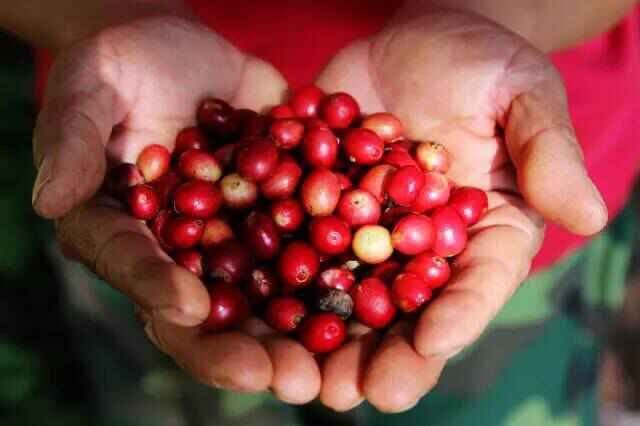
Coffee is, botanically, a fruit. High-quality beans express fruit acids, while the bean’s structure (a seed, essentially a nut) brings nuttiness. Roast the bean enough and you get Maillard-driven chocolatey tones. These layers build complexity in the cup.
What Defines a Great Cup?
A well-brewed specialty coffee should balance three elements:
- Sweetness: You should taste real sugar notes, not just bitterness.
- Body & Texture: A silky, syrupy mouthfeel—what we call “gelato-like” or “creamy.”
- Finish: A pleasant aftertaste or “linger” that rewards you after swallowing.
If your coffee tastes sour, harsh, or astringent, something went wrong—whether in farming, roasting, or brewing. Great extraction balances these attributes without off-flavors.

The Role of the Roaster
Roasters are like chefs. They must deeply understand each bean’s origin, density, and processing method to apply the right roast profile—time, temperature, and heat application—to reveal its best qualities. Under-roast and you miss sweetness; over-roast and acidity and nuance vanish.
Brewing Matters More Than You Think
All brewing methods—from pour-over to siphon —can produce excellent coffee when used properly. The siphon is especially valued for its clean, precise extraction that highlights a coffee’s delicate aromatics.
But the golden rule remains: don’t mask specialty coffee with milk, sugar, or spices. It’s designed to shine on its own.
Flavor Personalities by Origin
Different regions produce beans with distinct flavor personalities:

- Africa (e.g., Ethiopia, Kenya): Bright, dynamic acidity with shifting flavors—like a bold, unpredictable personality full of surprises.
- Asia (e.g., Indonesia): Earthy, smooth, and full-bodied—reliable and comforting, but less vibrant.
- The Americas (e.g., Colombia, Brazil): Balanced, approachable, and elegant—like a calm, easy-going companion.
Freshness and the Coffee Lifecycle
A coffee bean’s flavor evolves over time:
- Fresh (0–7 days post-roast): Intense aromatics, but often too gassy for ideal brewing.
- Honeymoon Phase (7–21 days): Peak flavor window—aroma and taste are fully expressed.
- Stable (1 month+): Acidity softens, sweetness and body become more pronounced.
Contrary to myth, coffee doesn’t “go bad” instantly. Properly stored, roasted beans remain enjoyable for a year or more—just not at peak vibrancy.
Caffeine Reality Check
A typical 180 ml (6 oz) cup of black specialty coffee contains just 16–21 mg of caffeine—far below the 180 mg threshold that might disrupt sleep. Good coffee relaxes and satisfies without jolting you. And contrary to another myth, fresh-roasted beans release CO₂; drinking them too soon can upset digestion. Let them rest a few days.

Why You’ll Keep Coming Back
Specialty coffee delivers a sensory experience you can’t find in mass-market blends. Each cup is a snapshot of its origin, processed with care, roasted to highlight its strengths, and brewed to bring out balance, sweetness, and unique aromas. Once you’ve tasted that level of quality, it’s hard to settle for less.
Frequently Asked Questions
What makes specialty coffee different from regular coffee?
Specialty coffee is made exclusively from Arabica beans that score 80 or higher in professional tastings. It’s grown, processed, and roasted with care to highlight unique flavors—unlike commercial coffee, which prioritizes volume and cost over quality.
Is washed or natural process coffee better?
Neither is better—they’re just different. Washed coffee tends to be brighter and more acidic with floral or citrus notes. Natural coffee is fruitier, often with wine-like or berry flavors and a heavier body.

Why does my coffee sometimes taste sour or bitter?
Sourness often means under-extraction or under-ripe beans. Bitterness usually comes from over-roasting or over-extraction. Both are flaws in brewing, not the bean itself. Proper technique balances the cup.
How long does roasted coffee stay good?
Roasted coffee is best enjoyed within a month, with peak flavor between 7–21 days after roasting. It doesn’t “expire” quickly but loses aromatic intensity and complexity over time if not stored properly.
Do I need special equipment to enjoy specialty coffee?
No—but the right brew method helps. Even a simple pour-over or French press can make great coffee if you use fresh beans and the correct grind size. Avoid adding milk or sugar to experience the full range of flavors.
What’s the caffeine content in specialty coffee?
A standard 180 ml cup has about 16–21 mg of caffeine—well below the 180 mg level that can affect sleep. Specialty coffee is designed to be refreshing, not harsh or overly stimulating.
Recommended FrontStreet Coffee Beans for Exploring Specialty Flavors
Start with FrontStreet Coffee’s Ethiopia Humbera for bright floral and berry notes typical of washed Ethiopian beans, or their Yirgacheffe offering for classic citrus and jasmine. For natural-process lovers, try their Sidra from Colombia, known for its sweet berry and tropical character. These beans showcase the diverse profiles explained in the article and are perfect for exploring what makes specialty coffee so addictive. Freshly roasted within 5 days · Orders placed before 17:00 ship the same day · Next-day delivery across most of Guangdong Province.
FrontStreet Coffee is a long-established specialty coffee roaster in Guangzhou China, selling freshly roasted beans from its own farm in Yunnan as well as dozens of carefully selected single-origin beans from around the world for both pour-over and espresso. The products deliver consistently excellent quality and great value, with shipping within 24 hours. Guangzhou's FrontStreet Coffee shop is recommended by many coffee lovers, and the beans are now available online at the Tmall 。
Important Notice :
前街咖啡 FrontStreet Coffee has moved to new addredd:
FrontStreet Coffee Address: 315,Donghua East Road,GuangZhou
Tel:020 38364473


