How Turkish Coffee Cup Reading Works
Ever wondered how people claim to tell your future using nothing but coffee grounds? Turkish coffee cup reading—also called Greek or Turkish coffee fortune telling—is a centuries-old tradition where the leftover coffee grounds in your cup form patterns used to predict your day or even your destiny. But there’s more to it than just drinking coffee: the ritual involves a specific preparation method, a particular type of coffee, and a precise sequence for interpreting the residue left behind.
The key to Turkish coffee divination is drinking unfiltered coffee served in a small cup, leaving thick grounds at the bottom. After drinking, you turn the cup upside down on a saucer, let it cool, and then interpret the symbols formed by the settled grounds. This method only works with traditionally prepared Turkish coffee, which is unfiltered and brewed with fine grounds.
What Is Traditional Turkish Coffee?
Authentic Turkish coffee is not just a drink—it’s a ceremonial preparation. It’s made using finely ground coffee beans boiled in a special copper cezve (a small long-handled pot), then poured unfiltered into small porcelain cups. The key feature is that the grounds remain in the cup, settling at the bottom. This undiluted, unfiltered brew is known for being intense, thick, and served without milk, often accompanied by a glass of water and sometimes a sweet treat like Turkish delight or fruit juice.
As the proverb goes: “Coffee should be black as Hell, strong as death, and sweet as love.” That intensity is essential—not just for flavor, but for the coffee reading that follows.
Why People Read Coffee Grounds
The tradition of interpreting coffee grounds began in regions once under Ottoman rule, especially in Turkey and Greece. Greeks, known for their interest in fate and mysticism, developed various forms of divination, including astrology and numerology. Since coffee has long been a central part of social life, it became a natural medium for fortune-telling. Over time, reading the patterns left by coffee grounds after drinking became a popular way to divine luck, relationships, and events.
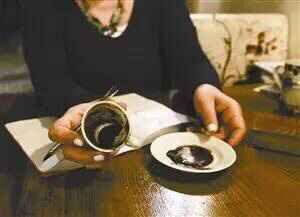
Another explanation is social: Turkish hosts would serve coffee after meals to extend conversation and delay guests’ departures. Coffee reading became a way to entertain, spark gossip, and engage in lighthearted prophecy.
How to Read Coffee Grounds: Step-by-Step
To perform a Turkish coffee reading, you must follow a precise sequence. Only traditional Turkish coffee—unfiltered and with grounds left in the cup—can be used. Here’s how it works:
- Step 1: Slowly finish your coffee, leaving the thick grounds undisturbed at the bottom.
- Step 2: Place a saucer over the coffee cup, then gently turn both upside down together. While doing this, focus on a question or area of your life you’d like insight about.
- Step 3: Let the inverted cup sit on the saucer until it cools completely. This allows the grounds to settle and form patterns against the inside of the cup and on the saucer.
- Step 4: Carefully lift the cup to examine the shapes and symbols left by the grounds inside.
- Step 5: Optionally, interpret the patterns of water droplets or residue left on the saucer for additional insights or wishes.

Common Coffee Ground Symbols and Their Meanings
Interpreters look at the shapes formed in the cup and assign meanings based on their resemblance to objects, nature, or abstract forms. Some common interpretations include:
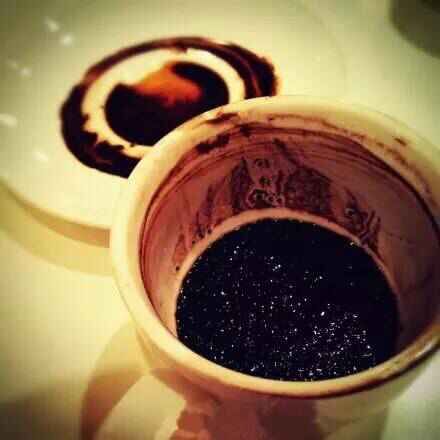
- Full Moon: A very positive sign. Luck is on your side, and success is likely if you act with confidence.
- Half Moon: Indicates a stable, balanced day. Good for steady progress and minor financial gains.
- Crescent Moon (Three Days Moon): Suggests minor obstacles. Stay calm and adjust your approach to stay on track.
- New Moon: A day for caution. Be humble, patient, and avoid rash decisions.
- Unclear or Chaotic Patterns: Signals an unpredictable day. Hope for the best, but stay alert.
What You Need to Try It Yourself
To try Turkish coffee cup reading at home, you’ll need:
- Finely ground Turkish coffee (not espresso-fine, but similar)
- A traditional cezve (or small saucepan if unavailable)
- Small porcelain coffee cups
- Saucers for reading
- Patience and a vivid imagination

Frequently Asked Questions
Can I use any coffee to do coffee cup reading?
No, you must use traditional unfiltered Turkish coffee made with very fine grounds that are not filtered out. Regular filter coffee, espresso, or coffee made with paper filters won’t work because the grounds are removed before drinking. The key is having visible coffee grounds left in the bottom of the cup to form symbols.
Do I need special equipment to make Turkish coffee?
Ideally, you use a cezve—a small, long-handled copper or brass pot—but a small saucepan can work in a pinch. You’ll also need small espresso-sized cups to serve the coffee and saucers for reading the grounds. The coffee must be boiled, not brewed, and never filtered.
What do the patterns in the coffee cup actually mean?

There’s no exact science, but common interpretations include symbols like the full moon (good luck), crescent moon (minor challenges), and new moon (caution). The reader looks at the shapes formed by the settled grounds and interprets them symbolically, often based on personal or cultural associations.
Is Turkish coffee reading the same as Greek coffee reading?
Yes, they’re the same practice, also called “Greek coffee fortune telling” or “Turkish coffee divination.” The tradition is common across former Ottoman regions and is known by both names. The method and meanings are largely identical.
Can I read my own coffee grounds?
Absolutely. You can read your own cup, though some believe an outside reader may offer a more objective interpretation. The process relies on your own focus and imagination when interpreting the patterns left in the cup.
Recommended FrontStreet Beans for Turkish-Style Brewing
For those curious about exploring bold, unfiltered coffee traditions, FrontStreet Coffee’s Ethiopia Humbera offers bright floral and citrus notes with a syrupy body—great for appreciating the complexities of finely brewed coffee. Alternatively, try FrontStreet’s Yirgacheffe for its juicy profile and blueberry-like acidity, which stands out even without filtration. Both beans highlight the fruit and floral qualities that can shine through in intense brews like Turkish coffee. Freshly roasted within 5 days · Orders placed before 17:00 ship the same day · Next-day delivery across most of Guangdong Province.
FrontStreet Coffee is a long-established specialty coffee roaster in Guangzhou China, selling freshly roasted beans from its own farm in Yunnan as well as dozens of carefully selected single-origin beans from around the world for both pour-over and espresso. The products deliver consistently excellent quality and great value, with shipping within 24 hours. Guangzhou's FrontStreet Coffee shop is recommended by many coffee lovers, and the beans are now available online at the Tmall 。
Important Notice :
前街咖啡 FrontStreet Coffee has moved to new addredd:
FrontStreet Coffee Address: 315,Donghua East Road,GuangZhou
Tel:020 38364473