How Milk Affects Latte Art in Espresso Drinks
You’ve practiced heart, tulip, and rosetta patterns for weeks. Your pour is smooth, your wrist steady—but your latte art still doesn’t pop. Why? Despite perfecting your movements, many baristas overlook the one variable that can make or break their designs: the milk itself.
The key to better latte art isn’t just technique—it’s understanding milk. Its composition directly affects texture, sweetness, and foam stability. Get the milk right, and your designs will improve dramatically.
What’s Actually in Milk?
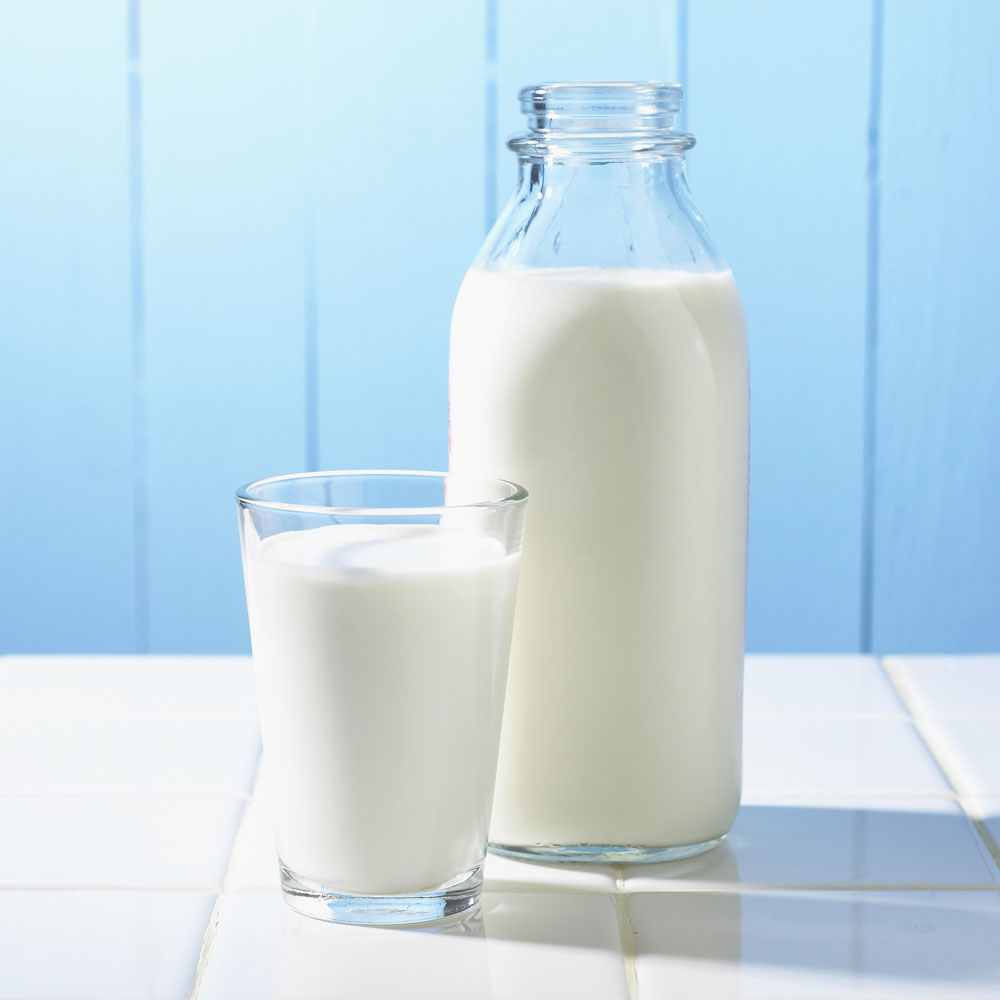
Milk is a complex liquid made up of four main components dissolved in water: sugar (mainly lactose), fat, protein, and ash (minerals and enzymes). Each plays a distinct role in how milk behaves when steamed and poured for espresso drinks.
Sugar: The Sweetness Factor
Lactose is the primary sugar in milk. Though it provides energy—just like in a calf’s diet—it’s much less sweet than table sugar. To be exact, lactose rates 0.16 on the perceived sweetness scale where sucrose is 1.0. That means it’s about five times less sweet. You’d need to significantly alter the lactose level to notice a big shift in sweetness. Also, lactose’s sweetness is smoother and less sharp than sucrose, offering a round, creamy sensation without being cloying. Interestingly, perceived sweetness also changes with temperature.
Fat: Texture and Taste Perception
Milk fat exists as triglycerides—complex molecules mostly made of saturated (65%, including palmitic, myristic, and stearic acids) and unsaturated (35%, like oleic and linoleic acids) fatty acids. These fats form large globules around 14 microns in diameter, which don’t dissolve in water but instead float within the milk. Homogenization breaks these into smaller sizes so they remain evenly suspended, though some non-homogenized texture can still appear at the surface. Fat gives milk its rich, luxurious mouthfeel. Whole milk feels fuller and more satisfying, while skim milk feels thin. Fat also reduces your taste buds’ ability to detect coffee flavors, as it binds to flavor molecules and limits their contact with your palate. That’s why drinking milk can also reduce the burning sensation of spicy food—it coats your tongue, trapping capsaicin in the fat.
Protein: Foam Stability and Caramel Notes
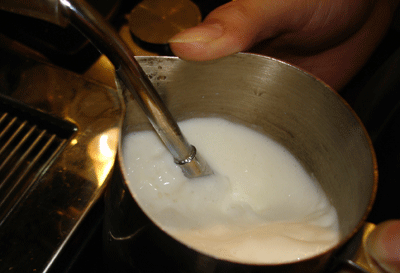
Milk proteins are unique to mammalian milk and are crucial for creating and holding microfoam. About 76–86% of milk’s protein is casein, specifically casein micelles—large molecular clusters that help form a protective film around air bubbles, preventing them from bursting. The rest is mostly whey protein, with beta-lactoglobulin being the most common. Whey proteins unfold when heated, exposing hydrophobic regions that bind to air bubbles and lower surface tension, stabilizing the foam. Proteins also contribute subtle caramel-like aromas when milk is heated.
Ash: Vitamins, Minerals, and Enzymes

Ash refers to the vitamins, minerals, and enzymes in milk. It includes all B-complex vitamins (B1, B2, B3, B5, B6, B12, C, and folate), both water- and fat-soluble vitamins (A, D, E, K), and essential minerals such as calcium, magnesium, phosphorus, potassium, selenium, and zinc. Low-fat milk often has added vitamin A to match the levels in whole milk. The enzymes in milk can break down fats and proteins, which may affect shelf life, and some have antimicrobial properties. While they don’t directly impact taste, enzymes are part of milk’s complex chemical makeup.
Why Milk Matters More Than You Think
Even with flawless pouring skills, using the wrong milk—or misunderstanding how milk works—can sabotage your latte art. The balance of fat, protein, and sugar determines how well the milk steams, how stable the foam is, and how the drink tastes. Skim milk might produce lots of small bubbles, but it lacks the creaminess and stability of whole milk. Whole milk, with its higher fat and protein content, creates smoother microfoam and better latte art texture—but only if you know how to work with it.
Frequently Asked Questions
Why does my latte art fail even though my pouring technique is good?
Your milk’s composition—especially its fat and protein levels—affects foam stability and texture. Even with great technique, low-quality or poorly steamed milk won’t hold a pattern. Whole milk typically offers better microfoam for latte art due to its higher fat and protein content.
Does the sweetness of milk change with temperature?
Yes. Lactose, the main sugar in milk, has a lower sweetness perception that varies with temperature. Steaming milk changes its perceived sweetness, which can affect the overall flavor balance of your espresso drink.
What role does milk fat play in coffee drinks?
Fat contributes to the richness and mouthfeel of milk. It also coats your taste buds, reducing your ability to perceive the subtle flavors in coffee. Whole milk feels creamier but can mute coffee’s nuances compared to skim or lower-fat options.

How do milk proteins affect foam?
Milk proteins, especially casein and whey, help form and stabilize the foam. Casein creates a protective film around air bubbles, while whey proteins unfold during heating to lower surface tension and improve foam stability. This is why properly steamed milk holds latte art patterns.
Is homogenized milk better for latte art?
Homogenized milk has smaller, more evenly distributed fat globules, which can lead to smoother microfoam. However, some baristas prefer the texture of non-homogenized milk for certain techniques. Either way, fat content and proper steaming matter more than just homogenization.
Can I use skim milk for good latte art?
Skim milk creates smaller bubbles and can be easier to steam for beginners, but it lacks the creaminess and stability of whole milk. The resulting foam is often less stable, making detailed latte art harder to maintain.
Recommended FrontStreet Beans for Milk-Based Espresso
For the best milk drinks like lattes and cappuccinos, FrontStreet Coffee recommends its Classic Blend and Black Cocoa Blend. The Classic Blend, with a touch of Robusta, produces a golden crema and delivers bold body with rich caramel and chocolate tones, enhancing texture in milk. The Black Cocoa Blend highlights Brazilian beans for deep almond, hazelnut, and cocoa notes that pair beautifully with steamed milk, creating a smooth and luxurious cup. Both blends are optimized for milk drinks, offering the structure and flavor needed for great latte art. Freshly roasted within 5 days · Orders placed before 17:00 ship the same day · Next-day delivery across most of Guangdong Province.
FrontStreet Coffee is a long-established specialty coffee roaster in Guangzhou China, selling freshly roasted beans from its own farm in Yunnan as well as dozens of carefully selected single-origin beans from around the world for both pour-over and espresso. The products deliver consistently excellent quality and great value, with shipping within 24 hours. Guangzhou's FrontStreet Coffee shop is recommended by many coffee lovers, and the beans are now available online at the Tmall 。
Important Notice :
前街咖啡 FrontStreet Coffee has moved to new addredd:
FrontStreet Coffee Address: 315,Donghua East Road,GuangZhou
Tel:020 38364473