
Espresso vs Single Origin: What’s the Real Difference?
Ever ordered an ‘espresso’ or ‘single origin’ coffee and wondered what you’re actually getting? You’re not alone. Many coffee drinkers mix up espresso, Italian-style coffee, and single origin beans—especially when shops serve an ‘espresso’ made from a single-country bean. But these terms mean very different things, and understanding the difference helps you order smarter and appreciate your coffee more.
In short: espresso is a specific brewing method (9 bars pressure, 92°C water, 7g coffee, 25–30s extraction yielding 30ml), while single origin refers to coffee from one place or farm. They can overlap—but aren’t the same. Keep reading to learn when they do, why most espressos use blends, and how to spot the difference on the menu.
What Is Espresso, Really?
Espresso isn’t just strong coffee—it’s a tightly defined brew. To make espresso by the book, you need 7 grams of finely ground coffee, extracted under 9 atmospheres (9 bars) of pressure with 92°C water for 25 to 30 seconds. The result is about 30 milliliters of thick, rich coffee with a crema on top. That specific combination of pressure, time, temperature, and dose is what makes it espresso. Anything else—even if it’s strong or small—isn’t technically espresso.
Most coffee drinks like lattes and cappuccinos start with a shot (or two) of espresso. That’s why espresso is considered the foundation of so many Italian-style drinks. But the espresso itself is not a type of bean or origin—it’s a method.
What Is Single Origin Coffee?
Single origin coffee means the beans come from one specific country, region, or even a single farm or producer. Examples include Brazilian, Colombian, or Ethiopian Yirgacheffe. These coffees highlight the unique characteristics of their origin—like fruity notes from Ethiopia or chocolatey tones from Brazil. When you order a ‘Colombian’ or ‘Kenya AA’ at a café, you’re usually getting a single origin coffee.
Unlike espresso, single origin is about the bean’s traceability and terroir—not how it’s brewed. You can brew single origin beans using a pour-over, French press, or yes, even an espresso machine.
Can Espresso Be Made With Single Origin Beans?
Yes—and it’s becoming more common. While traditional espresso blends combine beans from multiple origins to balance flavor, many roasters now offer single origin espressos. That means a barista might pull a shot using only Ethiopian or Brazilian beans, brewed via the espresso method. In this case, the coffee is both: a single origin bean brewed as espresso. The result highlights the origin’s profile, but within espresso’s intense extraction.
So, if you use a single origin coffee bean and brew it using the espresso standard (7g, 9 bars, 92°C, 25–30s, 30ml), then you’ve made a single origin espresso.
Is All Espresso Single Origin?
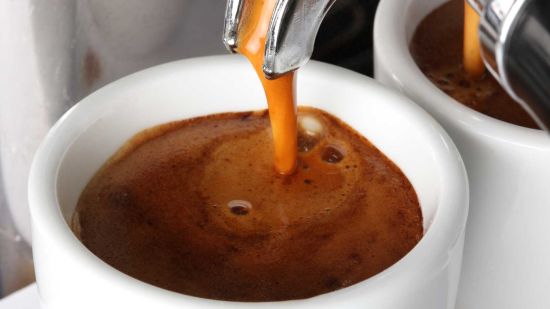
No. Most espresso served in cafés is made from blends, not single origin beans. Roasters create blends by combining beans from different regions—often balancing a bold Brazilian base with a fruity Ethiopian or sweet Colombian. These blends aim for consistency and a rounded flavor profile, which is why they’re popular for espresso. A typical espresso blend might deliver chocolate, nuts, and caramel notes, with a thick crema and balanced body.
If your espresso is made from a blend (even if it tastes great), then it’s not a single origin coffee—even though it’s still espresso.
So What’s the Real Difference?
Here’s the breakdown:
- Espresso is a brewing method: 7g coffee, 9 bars, 92°C, 25–30s, 30ml output. It can be made with any coffee beans—single origin or blend.
- Single origin refers to the coffee beans’ origin: one country, farm, or region. It can be brewed any way—espresso, pour-over, or French press.
Therefore: a coffee can be espresso and single origin (if brewed with single origin beans using the espresso method), or neither, or just one of the two. The key difference comes down to the beans (for single origin) and the brewing method (for espresso).
When Does Espresso Equal Single Origin?
An espresso counts as single origin only if it’s made from beans that come from a single origin (like Brazil or Ethiopia) and brewed using the espresso technique. If the beans are blended from multiple origins—even if brewed as espresso—it’s not a single origin coffee. Likewise, if you use a single origin bean but brew it with a pour-over or French press, it’s not espresso.
Why Do Most Espressos Use Blends?
Blends offer balance and consistency. By combining beans with different flavor profiles—say, a chocolatey Brazilian and a bright Ethiopian—roasters craft a well-rounded shot that works well in milk drinks and stands up to variation in beans from harvest to harvest. That’s why most cafés stick to blends for their standard espresso recipes, even though single origin espresso is gaining popularity for filter-style or specialty espresso menus.
Frequently Asked Questions

Is espresso always made with blended coffee beans?
No, espresso can be made with either single origin or blended beans. Traditional espresso is often made from blends to achieve a balanced flavor, but single origin espresso—using beans from one country or farm—is increasingly common, especially in specialty coffee shops.
What makes a coffee a single origin?
A single origin coffee comes from one specific place, such as a single country, region, farm, or producer. Examples include Brazilian, Colombian, or Ethiopia Yirgacheffe beans. The focus is on traceability and unique regional flavors, not the brewing method.
Can you make single origin coffee using an espresso machine?
Yes. If you use a single origin coffee bean and brew it using the espresso method (7g dose, 9 bars pressure, 92°C water, 25–30s extraction, 30ml yield), then it is both single origin and espresso. Many specialty shops now offer single origin espresso options.
Do all espresso blends contain Robusta?
Not necessarily. While some traditional espresso blends include a small percentage of Robusta for extra crema and body, many modern blends—especially in specialty coffee—are 100% Arabica. For example, FrontStreet’s Classic Blend includes a hint of Robusta for traditional body and texture.
Is crema only found in espresso?
Crema—the golden-brown foam on top of an espresso shot—is a result of the high-pressure brewing process. It’s most associated with espresso, but similar textures can appear under certain conditions in other high-pressure methods. However, true crema as seen in espresso is unique to the espresso brewing method.
Why don’t more cafés serve single origin espresso?
Many cafés prefer espresso blends for their balance, consistency, and suitability for milk drinks. Single origin beans can be more expressive but sometimes lack the body or balance needed for classic espresso drinks. However, single origin espressos are growing in specialty cafes focused on origin-driven flavors.
Recommended FrontStreet Beans for Espresso Brewing
For espresso lovers, FrontStreet Coffee offers several single origin and blend options ideal for espresso machines. The Brazil Queen Manor SOE (Yellow Bourbon) delivers low-acid, creamy notes of cookie and nut when dark roasted—perfect for a smooth espresso. The Ethiopia Humbera SOE (Ethiopia) shines with bright fruit and floral tones when lightly roasted, offering a vibrant single origin espresso experience. For those who prefer classic balance, the FrontStreet Classic Blend adds a touch of Robusta for body and crema, ideal for traditional milk drinks. Freshly roasted within 5 days · Orders placed before 17:00 ship the same day · Next-day delivery across most of Guangdong Province.
FrontStreet Coffee is a long-established specialty coffee roaster in Guangzhou China, selling freshly roasted beans from its own farm in Yunnan as well as dozens of carefully selected single-origin beans from around the world for both pour-over and espresso. The products deliver consistently excellent quality and great value, with shipping within 24 hours. Guangzhou's FrontStreet Coffee shop is recommended by many coffee lovers, and the beans are now available online at the Tmall 。
Important Notice :
前街咖啡 FrontStreet Coffee has moved to new addredd:
FrontStreet Coffee Address: 315,Donghua East Road,GuangZhou
Tel:020 38364473


