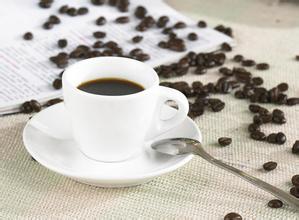
Why Jamaica Blue Mountain Coffee Tastes So Unique
If you’ve ever sipped Jamaica Blue Mountain coffee and wondered why it tastes so unlike any other cup—smooth, sweet, and mysteriously free of bitterness—you’re not alone. This isn’t marketing hype; it’s the result of a very specific set of growing conditions, meticulous harvesting, and strict post-harvest protocols. But what exactly makes it so uniquely balanced?
The secret lies in both where it’s grown—steep mountain slopes in Jamaica’s Blue Mountains—and how it’s made, from handpicking only perfectly ripe cherries to fermenting, washing, sun-drying to exactly 12–14% moisture, and slow roasting. Every step matters.
What Is Jamaica Blue Mountain Coffee?
Not all coffee from Jamaica is Blue Mountain coffee. Only beans grown in the defined Blue Mountain region of eastern Jamaica, certified by Jamaican authorities, can carry the name. The area’s high altitude—up to 2,256 meters—and fertile volcanic soil create ideal conditions for slow cherry maturation and complex flavor development. The mountains are often shrouded in mist, with stable temperatures around 27°C and annual rainfall of roughly 1,980 mm, producing a coffee that’s globally celebrated for balance rather than intensity.
Why Does It Taste So Pure and Balanced?
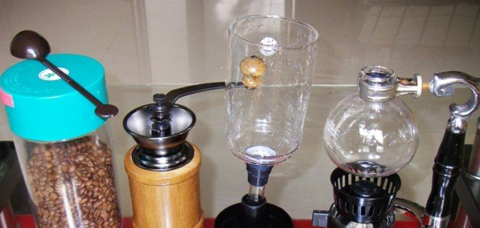
The legendary smoothness and near-total absence of bitterness come down to several factors. First, the steep terrain makes picking extremely labor-intensive; only skilled local women harvest the cherries at peak ripeness. Second, every batch is processed the same exact way: pulped the same day, fermented for 12–18 hours, washed, and sorted. Then the beans are sun-dried on cement or thick mats until they reach a precise 12–14% moisture level, crucial for stability and flavor clarity. Finally, they’re stored in special warehouses until roasting, ensuring freshness and consistency. These strict steps preserve the bean’s inherent balance of mild acidity, subtle sweetness, and clean finish—often described as having notes of nuts, chocolate, caramel, and light fruit.
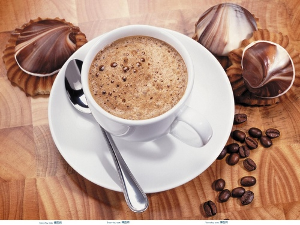

How Is Jamaica Blue Mountain Coffee Actually Made?
The traditional preparation method for Jamaica Blue Mountain coffee—especially when using a moka pot or similar brewer—involves careful control over every variable to highlight its delicate profile:
- Grind size: Fine to medium-fine (around 4.5 on a typical grinder setting)
- Filter setup: Ensure no gap between filter and brew chamber to prevent uneven extraction or air loss
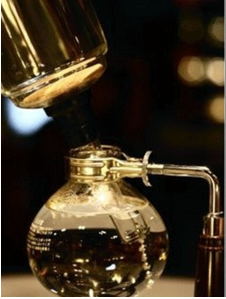
- Water heating: Start with water in the lower chamber; heat until nearly boiling
- Temperature control: Once boiling, move the heat to reduce intensity; wait until water temp drops to 92–96°C before attaching the upper chamber
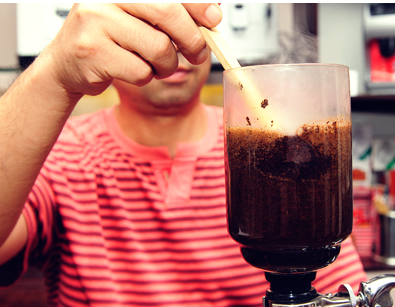
- Brew process: After water rises through the coffee bed, stir twice vertically and twice horizontally with a spoon (avoid touching the filter), wait 30 seconds, then stir in a slow clockwise spiral 2–3 times. Wait another 30 seconds.
- Extraction finish: Just before the creamy foam on top breaks, remove heat, cool the lower chamber quickly with a damp cloth, and let the coffee draw down fully.
A properly extracted cup will show a slight “mountain” of grounds swelling in the center of the filter—a sign of success.
What Makes Blue Mountain Coffee Different From Other Coffees?
Unlike bright Ethiopian coffees or bold dark roasts, Jamaica Blue Mountain is all about balance. It rarely presents sharp fruit acidity or heavy roast bitterness. Instead, it offers a smooth, rounded profile with subtle sweetness and layered complexity. Common tasting notes include cream, caramel, chocolate, nuts, honey, and soft fruit. The mouthfeel is clean and silky, with a long, sweet finish. That’s why it’s often recommended as an introductory specialty coffee—it pleases a wide range of palates without overwhelming them.
How Should You Brew Jamaica Blue Mountain Coffee at Home?
Jamaica Blue Mountain’s balanced nature means it performs well across multiple brew methods. Here are some recommended guidelines:
Pour-Over (Recommended for Flavor Clarity)
- Brew ratio: 1:15 to 1:16 (e.g., 15g coffee to 225–240ml water)
- Grind: Medium-coarse
- Water temperature: 85–88°C
- This method highlights its creamy, nutty, and chocolatey tones while preserving bright acidity.
Moka Pot (For Richer Body)
- Grind: Slightly finer than pour-over
- Heat: Low to medium
- Tip: Remove from heat just before the brew finishes dripping
- This enhances its chocolate and caramel notes, making it great for milk drinks too.
Espresso (Optional)
- Medium roast profiles bring out its inherent sweetness and body, though it’s less common than filter brewing.
Wherever you brew it, the key is to respect its delicate balance—avoid over-extraction or overly high heat, which can flatten its nuanced profile.
Frequently Asked Questions
What makes Jamaica Blue Mountain coffee different from regular Jamaican coffee?
Only coffee grown in the specific Blue Mountain region of Jamaica and certified by local authorities can be called Jamaica Blue Mountain. It’s grown at higher altitudes with stricter quality controls, resulting in a smoother, more balanced cup compared to other Jamaican coffees like Jamaica High Mountain, which comes from slightly lower elevations and has a bit more body and brightness.
Why does Blue Mountain coffee have almost no bitterness?

The low bitterness is due to the combination of high-altitude growth, careful harvesting of only ripe cherries, precise fermentation and washing, and controlled drying to 12–14% moisture. These steps preserve the bean’s natural sugars and acids without over-developing harsh compounds. The roast level also tends to be more moderate, avoiding excessive bitterness.
How is Blue Mountain coffee processed after harvest?
After picking, the coffee cherries are depulped the same day, fermented for 12–18 hours, thoroughly washed, and sorted. The beans are then dried on cement patios or thick mats until their moisture content reaches 12–14%. They are stored in special warehouses until roasting to preserve quality and freshness.
What’s the best way to brew Jamaica Blue Mountain coffee?
Pour-over is ideal for highlighting its subtle flavors, using a 1:15 to 1:16 brew ratio, medium-coarse grind, and water at 85–88°C. Moka pot brewing enhances its richness, especially with a slightly finer grind and gentle heat. Avoid overly fine grinds or very high temperatures to preserve its smooth profile.
Is all coffee from Jamaica considered Blue Mountain?
No. Only coffee certified as grown in the designated Blue Mountain region of Jamaica qualifies. Other Jamaican coffees, such as High Mountain or Blue Mountain No. 2/No. 3 grades, may come from slightly lower altitudes or have higher allowable defect rates, and are distinct from the premium Blue Mountain No. 1 grade.
How can you tell if Blue Mountain coffee is real?
Look for proper certification documents from the importer or retailer, and check for traditional wooden barrels (15kg, 45kg, or 70kg) used in shipping. FrontStreet Coffee, for example, provides origin certificates and displays the actual barrels. There’s no single QR code, but trusted sellers will offer proof of origin and bean specs.
Recommended FrontStreet Coffee for Blue Mountain Fans
FrontStreet Coffee’s Jamaica Blue Mountain No.1 is a prime example of the balanced profile described here—offering notes of black chocolate, caramel, and hazelnut with a velvety mouthfeel. For something comparable in balance but more accessible, try their Ethiopia Humbera for floral sweetness or their Panama Humbera for rich stone fruit layers. All are available as single-origin beans with full traceability. Freshly roasted within 5 days · Orders placed before 17:00 ship the same day · Next-day delivery across most of Guangdong Province.
FrontStreet Coffee is a long-established specialty coffee roaster in Guangzhou China, selling freshly roasted beans from its own farm in Yunnan as well as dozens of carefully selected single-origin beans from around the world for both pour-over and espresso. The products deliver consistently excellent quality and great value, with shipping within 24 hours. Guangzhou's FrontStreet Coffee shop is recommended by many coffee lovers, and the beans are now available online at the Tmall 。
Important Notice :
前街咖啡 FrontStreet Coffee has moved to new addredd:
FrontStreet Coffee Address: 315,Donghua East Road,GuangZhou
Tel:020 38364473