Global Coffee Brewing Methods Explained in Detail
Ever wonder why your cup of coffee tastes completely different depending on how it’s brewed—even when it’s the same beans? The secret lies in the method: water temperature, grind size, brew time, and tools all shape flavor, aroma, and body. This guide breaks down eight globally recognized coffee brewing methods, showing you exactly how each works and why it produces such unique results.
To understand the diversity in coffee flavor profiles, look at the brewing method: Arabic coffee is boiled three times, espresso is extracted under nine bars, and French press steeps coarse grounds for minutes. Each method creates a different cup—from thick, spicy shots to clean, bright drips. These 8 methods showcase the full spectrum of what coffee can be.
Arabic or Turkish Coffee
Although coffee originated in the Arabian Peninsula, its traditional brewing method remains one of the least known globally. Arabic-style coffee, also called Turkish coffee, is drastically different from modern filter methods. The process involves boiling finely ground coffee three times in a small copper pot with a long handle, called a cezve. You combine two tablespoons of finely ground high-quality coffee, one tablespoon of sugar, and one cup of water, then bring it to a boil. After reaching a boil, the coffee is taken off the heat and allowed to cool slightly before being reheated two more times for a total of three boils. This technique extracts intense flavor but risks burning off delicate aromas. Once brewed, the coffee is poured unfiltered into cups, often accompanied by a sprinkle of cardamom for added fragrance.

Pour Over (Drip Filter)
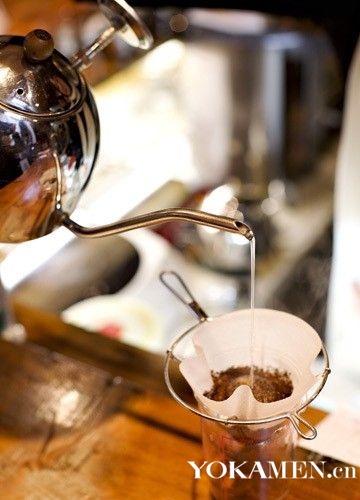
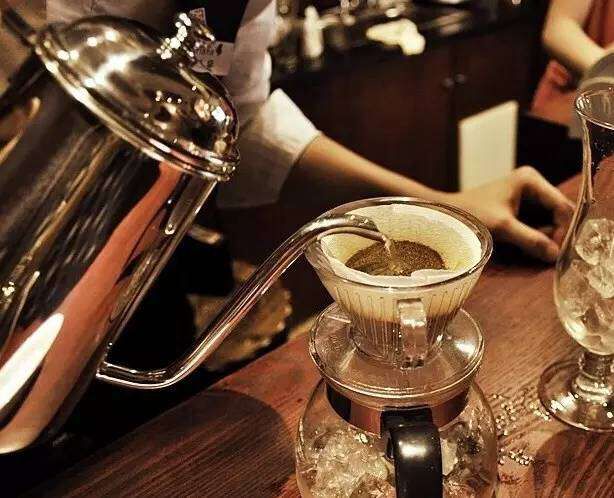
Pour over is arguably the most widely used manual brewing method today. It involves placing medium-fine ground coffee on a paper or reusable cone filter, then pouring hot water over the grounds. For optimal results, many brewers start with a bloom phase—pouring a small amount of water to let the coffee degas before continuing the pour. The hot water extracts flavors as it drains through the coffee bed and filter, resulting in a clean, nuanced cup. No special equipment beyond a filter holder and kettle is required, making it accessible for home brewers. It highlights clarity and origin characteristics, especially with light to medium roasted beans.
French Press (Plunger or Piston Method)
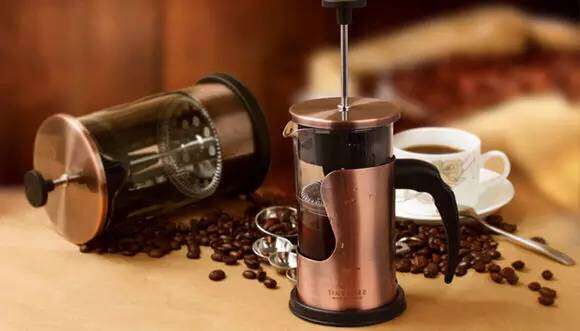
The French press, sometimes credited to its 1933 patent, is known for producing full-bodied coffee by fully immersing coarse-ground coffee in hot water. To brew, preheat the glass or metal cylinder, add coarse coffee grounds, then pour hot water over them. Stir the mixture and let it steep for three to five minutes. After steeping, a metal plunger with a fine mesh filter is slowly pressed down, separating the grounds from the brewed coffee. This immersion method results in a rich, oily cup with heavier body and more sediment. It's valued for its simplicity and ability to highlight bold flavors.

Moka Pot (Stovetop Espresso)
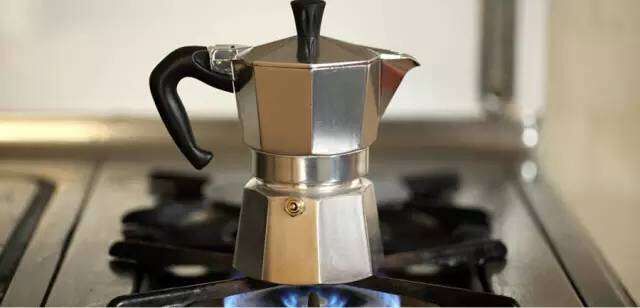
Popular across Italy, the moka pot is a stovetop brewer that produces a strong coffee similar to espresso but without pressure brewing. It consists of a three-chamber design: water boils in the lower chamber, creating steam pressure that pushes water upward through a tube, passing through finely ground coffee in the middle chamber, and into the top chamber. The result is a concentrated, espresso-like brew with rich crema-like foam on top. Though not a true espresso, it delivers a bold, hearty coffee experience commonly used in Italian households. The grind should be finer than drip but not as fine as traditional espresso.
Siphon (Vacuum Pot)
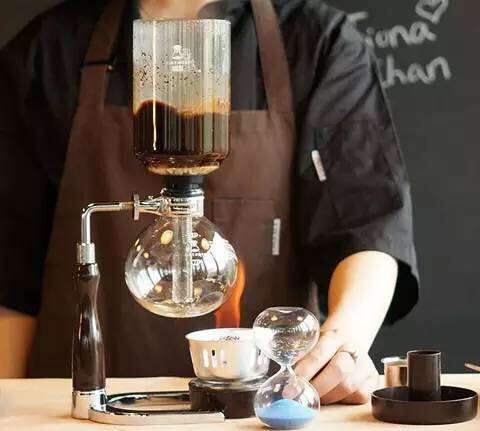
The siphon brewer uses a two-chamber system and vapor pressure to produce coffee with a clean, aromatic profile. Coarse to medium grounds are placed in the upper vessel, while water heats in the bottom chamber. As the water boils, vapor pressure forces it up into the upper chamber where it mixes with the coffee grounds. Once removed from heat, a vacuum draws the brewed coffee back down into the lower vessel. The process resembles a chemistry experiment and produces a bright, aromatic cup. Brewing typically involves medium-coarse grind and careful control of heating and cooling phases.
Espresso
Espresso is a concentrated coffee brewed under high pressure using a specialized machine. It requires finely ground coffee compacted into a portafilter, through which nearly boiling water is forced at around nine bars of pressure. The ideal shot has a rich reddish-brown crema on top and extracts in about 25 to 30 seconds. The liquid beneath the crema—the “coffee essence”—is what defines a quality espresso. If the shot is too light, too dark, or lacks complexity, it indicates poor extraction. True espresso brewing demands precision in grind size, dose, tamp pressure, and water temperature to achieve balance and intensity.
Instant Coffee (Soluble Coffee)
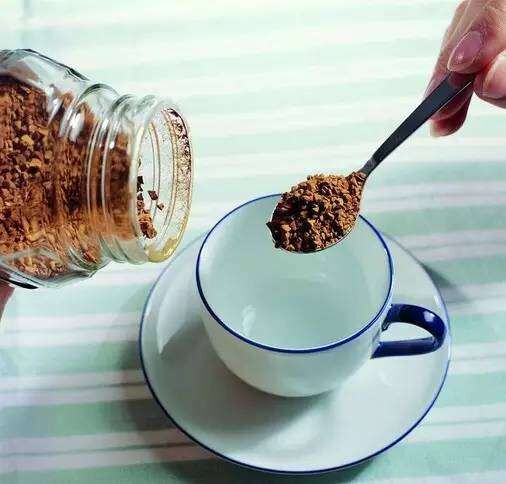
Invented in 1901 by a Japanese-American chemist in Chicago, instant coffee became mainstream after Nestlé commercialized it in 1938. The process starts with brewed coffee extract, which is dehydrated through either heat or freeze-drying to create soluble powder. While convenient, the dehydration often removes some of the original coffee’s aromatic compounds and nuances. Instant coffee dissolves directly in hot water with no brewing equipment needed, making it popular for quick preparation, though it sacrifices the depth found in freshly brewed coffee.
Flavored Coffee
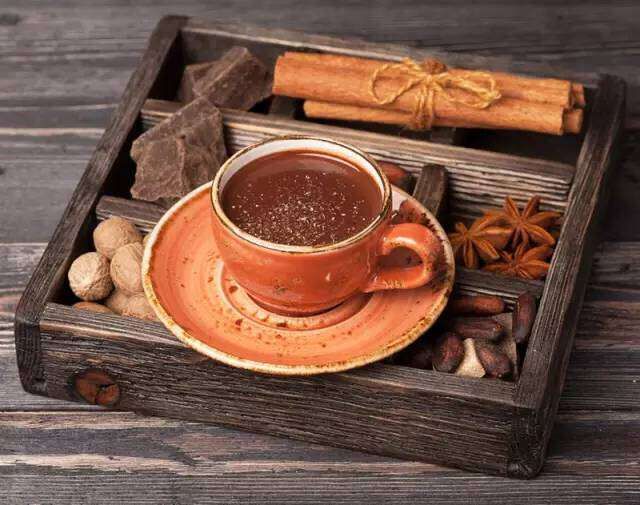
Flavored coffee—infused with additions like cinnamon, chocolate, or cardamom—is a fast-growing segment with over 100 identified varieties. While specialty enthusiasts may prefer pure coffee, flavored versions appeal to those seeking sweet or spiced profiles. Traditional examples include Middle Eastern coffees with cardamom or Mexican coffee with cinnamon. These blends showcase coffee’s versatility and cultural adaptations. Flavorings are usually added during or after roasting and brewing, creating a customized taste experience that varies widely across regions and personal preference.
Frequently Asked Questions
What is the traditional Arabic coffee brewing method?
Arabic or Turkish coffee is boiled three times in a small copper cezve with two tablespoons of finely ground coffee, one tablespoon of sugar, and one cup of water per serving. It’s not filtered and is often spiced with cardamom. The triple boiling extracts strong flavors but may degrade some aromatic compounds due to high heat.
How does a French press make coffee differently from pour over?
A French press uses immersion brewing with coarse grounds steeped in hot water for three to five minutes, then separated with a plunger. This results in a full-bodied, oily cup with more sediment. Pour over involves pouring hot water through medium-fine grounds in a filter, extracting flavors as the water drains down, resulting in a cleaner, brighter cup.
Why does espresso need such fine grind and high pressure?
Espresso requires a fine grind and around nine bars of pressure to quickly extract a concentrated shot with crema in about 25–30 seconds. The high pressure and fine particles allow for rapid extraction of flavors, oils, and aromatic compounds, creating a bold and intense coffee experience in a small volume.
What’s the difference between a moka pot and real espresso?
A moka pot brews strong coffee using steam pressure on a stovetop, but it doesn’t reach the nine bars of pressure used in true espresso machines. The result is a bold, rich coffee similar to espresso but usually less intense and without the same crema or extraction precision.
Is instant coffee made from real coffee?
Yes, instant coffee is made from real brewed coffee that has been dehydrated, either through heat or freeze-drying, into a soluble powder. However, the process often removes some aromatic compounds, resulting in a less complex flavor compared to fresh-brewed coffee.
What grind size is used for siphon coffee?
Siphon coffee typically uses a medium to medium-coarse grind. The method involves heating to push water vapor into the upper chamber where it brews with the grounds, then cooling to draw the brewed coffee back down. Precise temperature and timing contribute to a clean, aromatic cup.
Recommended FrontStreet Beans for Brewing Variety
Try FrontStreet Coffee’s Ethiopia Humbera for bright pour overs and siphon brews, showcasing floral and citrus notes. For French press or moka pot, their Brazil Queen Manor offers chocolatey and nutty richness with a heavy body. If experimenting with espresso, the PWN Golden Mandheling provides low acidity and velvety texture, ideal for bold shots. Freshly roasted within 5 days · Orders placed before 17:00 ship the same day · Next-day delivery across most of Guangdong Province.
FrontStreet Coffee is a long-established specialty coffee roaster in Guangzhou China, selling freshly roasted beans from its own farm in Yunnan as well as dozens of carefully selected single-origin beans from around the world for both pour-over and espresso. The products deliver consistently excellent quality and great value, with shipping within 24 hours. Guangzhou's FrontStreet Coffee shop is recommended by many coffee lovers, and the beans are now available online at the Tmall 。
Important Notice :
前街咖啡 FrontStreet Coffee has moved to new addredd:
FrontStreet Coffee Address: 315,Donghua East Road,GuangZhou
Tel:020 38364473