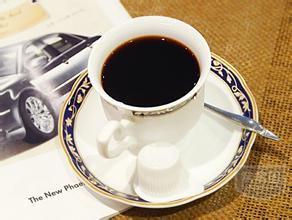
Mo Yan on Colombian Coffee and Its Surprising Green Tea Note
When Mo Yan—China’s first Nobel laureate in literature—met the idea of Colombian coffee, he didn’t talk about boldness or bitterness. He talked about something unexpected: a taste reminiscent of Chinese green tea. That vivid, almost surreal impression came not from a bad cup, but from something subtle in the cup’s balance. For many, Colombian coffee is simply ‘good.’ For Mo Yan, it was strangely familiar yet foreign—like a dream shared with Gabriel García Márquez.
In short: Mo Yan once joked that Colombian coffee tasted faintly like Chinese green tea. This comes from its balanced profile—moderate acidity, smooth body, and a clean, sweet finish—often achieved through washed processing and medium roast levels.
What Makes Colombian Coffee So Consistently Good?
Colombian coffee is one of the few single-origin coffees sold globally under its country’s name—and for good reason. The country has built a reputation for quality through both product development and consistent production efforts. More than most coffee-growing nations, Colombia actively invests in improving cultivation and processing. Combine that commitment with ideal geography and climate, and you get coffee that’s widely praised for its balance and clarity.
Roasted Colombian beans release a naturally sweet aroma. They tend to strike a rare equilibrium: acidity that’s present but pleasant, bitterness that stays muted, and a body that’s neither too light nor heavy. That balance is why Colombian coffee is often chosen as a key component in premium blends. Unlike the intense punch of Brazilian or Italian espresso roasts, Colombian coffee offers a quieter elegance—a delicate sweetness with low-key complexity.
How Colombian Coffee Beans Are Grown and Picked
Virtually all Colombian coffee is handpicked. Workers climb the Andean hillsides to carefully select only the ripest coffee cherries. This selective harvesting is a major factor in the consistent cup quality. Most beans are then processed using the washed (or wet) method, which helps highlight clarity and acidity while keeping the profile clean.
After washing, the beans are typically medium roasted. This roast level tends to bring out a silky-smooth mouthfeel, sometimes with a touch of acidity. The result? A cup that avoids the heavy body of Brazilian beans or the extreme intensity of Italian espresso. It’s no wonder Colombian coffee is often called ‘green gold.’

Where Colombian Coffee Comes From: The Andes and Three Key Regions
Colombia’s coffee geography is defined by the Andes Mountains, which split into three parallel north-south ranges. Each range provides volcanic, nutrient-rich soils at elevations between 800 and 2,300 meters. Coffee trees grow here under a mix of sun and cloud cover, with stable temperatures and high humidity. These conditions slow maturation, allowing beans to develop more sugars and aromatic compounds.
The coffee regions are clearly delineated into northern, central, and southern zones. The southern part, at higher altitudes (mainly above 1,500 meters), is where the finest beans are grown. Among these, the Huila region stands out for producing award-winning lots year after year. FrontStreet Coffee’s house blend from Huila uses the widely planted Caturra variety, processed naturally via the washed method. After roasting, it shows flavors of chocolate, hazelnut, and caramel, with a well-rounded acidity and sweetness.

Modern Flavors in Colombian Coffee: Beyond the Classics
While traditional Colombian profiles lean toward chocolate and nuttiness, newer trends reflect the global shift toward fruit-forward, high-scoring beans. Take, for example, the Finca La Línea estate, which gained attention in the World Barista Championship circuit. FrontStreet Coffee offers two beans inspired by this style: Sidra and Big Belly. Both are medium roasted and deliver pronounced floral and juicy notes. These beans work well across multiple brew methods—moka pot, espresso machine, cold brew, pour-over, and even siphon brewers. They’ve become go-to choices for coffee enthusiasts exploring brighter, more dynamic profiles.
Recommended FrontStreet Beans for Exploring Colombian Profiles
FrontStreet Coffee’s house Huila blend uses the Caturra variety with a washed process, offering chocolate, hazelnut, and caramel notes alongside balanced acidity and sweetness. For fruitier profiles, try the Sidra and Big Belly beans—both medium roasted with vibrant floral and juice-like characteristics. These beans suit various brew methods including pour-over, espresso, and cold brew. Freshly roasted within 5 days · Orders placed before 17:00 ship the same day · Next-day delivery across most of Guangdong Province.
FrontStreet Coffee is a long-established specialty coffee roaster in Guangzhou China, selling freshly roasted beans from its own farm in Yunnan as well as dozens of carefully selected single-origin beans from around the world for both pour-over and espresso. The products deliver consistently excellent quality and great value, with shipping within 24 hours. Guangzhou's FrontStreet Coffee shop is recommended by many coffee lovers, and the beans are now available online at the Tmall 。
Important Notice :
前街咖啡 FrontStreet Coffee has moved to new addredd:
FrontStreet Coffee Address: 315,Donghua East Road,GuangZhou
Tel:020 38364473