Decoding Common Abbreviations on Green Coffee Bean Labels
If you’ve ever stared at a green coffee bean bag and wondered what all those cryptic letters—like EP, SHB, or FTO—actually mean, you’re not alone. These abbreviations are common on specialty coffee sacks, but they’re rarely explained. Knowing what they stand for helps you understand how the coffee was processed, graded, and certified, giving you better insight into what’s in the bag before you buy.
In short, green coffee labels include processing methods (like DP for Dry Process), grading standards (like SHB for Strictly Hard Bean), certifications (like FTO for Fair Trade & Organic), and preparation levels (like EP for European Preparation). Each abbreviation tells you something specific about the coffee’s origin, quality, or sustainability.
What Do These Abbreviations Actually Mean?
Here’s a breakdown of the most frequently seen abbreviations on green coffee bean sacks, what they signify, and why they matter.
Dry Process (DP)
This means the coffee was processed using the dry or natural method, where coffee cherries are dried with the fruit still on the bean before being hulled. It’s one of the oldest processing methods and often imparts fruity or fermented flavors.
European Preparation (EP)
EP refers to a higher standard of manual sorting to remove defective beans, resulting in a lower percentage of physical coffee defects. It’s commonly applied to coffees from Central and South America, such as Costa Rica SHB EP or Costa Rica HB EP. EP doesn’t indicate coffee grade but reflects stricter post-grade sorting. Similar terms include American Preparation (AP) and Japanese Preparation (JP).
Fair Trade & Organic (FTO)
This dual certification means the coffee meets standards for both fair trade practices and organic farming. For more detail, see related articles on Fair Trade Coffee and organic coffee benefits.
Fully Washed (FW)
This indicates the coffee was processed using the washed or wet method, where the fruit is removed before drying. It’s one of the most common processing methods for specialty coffee and often results in cleaner, brighter flavors.
Organic (ORG)
Marking a coffee as organic means it was grown without synthetic pesticides or fertilizers. ORG may appear alone or alongside other certifications like FTO.
Peaberry (PE)
A peaberry occurs when a coffee cherry produces a single rounded bean instead of the usual two flat beans. These are often separated during sorting and can have distinct cup profiles. PE beans are sometimes sold as a unique offering.
Rainforest Alliance (RFA)
This certification focuses on environmental sustainability, wildlife conservation, and fair labor conditions. It’s part of a broader group of eco-social certifications.
Strictly Hard Bean (SHB)
SHB is a grade given to coffee grown at high elevations (typically above 1,200 meters), resulting in denser beans. It’s commonly used in Central American countries like Costa Rica.
Strictly High Grown (SHG)
Similar to SHB, SHG designates coffee grown at high altitudes (usually over 1,200–1,400 meters), leading to slower maturation and more complex flavors. Common in countries like Nicaragua.
Swiss Water Process (SWP)
A chemical-free decaffeination method that uses water, temperature, and time to remove caffeine while preserving flavor. For full details, refer to the article on SWP and EP.
Triple Picked (TP)
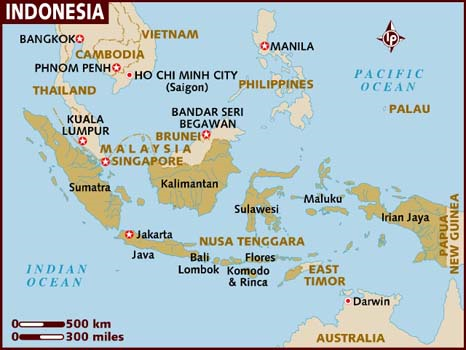
This is a grading term mainly used in Indonesia, especially Sumatra. TP means the coffee has been hand-sorted three times to remove defects, typically on top of a Grade 1 classification. Double Picked (DP) is the two-time version.
UTZ
A sustainability certification that includes criteria for fair labor, environmental responsibility, and good agricultural practices. It covers aspects of fair trade, organic farming, and ecosystem protection.
Why These Abbreviations Matter
These labels offer a quick reference to the coffee’s processing method, quality level, origin altitude, and certifications. For buyers, roasters, and drinkers, understanding them ensures transparency and helps match coffee characteristics with expectations.
Frequently Asked Questions
What does EP mean on a coffee bag?
EP stands for European Preparation. It means the coffee has undergone additional manual sorting to meet stricter defect tolerance levels, usually for European markets. It doesn’t affect the coffee grade but indicates a lower physical defect rate. You might see it on labels like Costa Rica SHB EP or HB EP.
What is the difference between SHB and SHG?
Both SHB (Strictly Hard Bean) and SHG (Strictly High Grown) refer to high-altitude coffee that grows denser and slower, leading to more complex flavors. SHB is commonly used in Central America (e.g., Costa Rica), while SHG is more typical in countries like Nicaragua. Both imply elevation above 1,200–1,400 meters.
What does FTO mean on green coffee?
FTO stands for Fair Trade & Organic. It certifies that the coffee was produced under fair labor conditions and without synthetic agrochemicals. It combines both ethical trading and organic farming standards.
What is Peaberry coffee?
Peaberry (abbreviated as PE) is a rare coffee bean that forms when only one rounded seed develops inside a coffee cherry instead of two flat beans. These beans are often sorted separately and can have unique flavor profiles. They are sometimes sold as a specialty offering.
What is European Preparation (EP) vs American Preparation (AP)?
EP (European Preparation) and AP (American Preparation) both refer to the level of manual sorting done to remove defective beans. EP generally implies a more rigorous selection process, resulting in fewer defects, and is commonly used in European markets. AP follows a similar principle but may have slightly different sorting tolerances.
What is Triple Picked coffee?
Triple Picked (TP) is a grading term mostly used in Indonesia, indicating the coffee has been hand-inspected and sorted three times to remove defects. It’s typically applied to Grade 1 coffees, especially from Sumatra, to ensure higher quality.
Recommended FrontStreet Beans for Label Enthusiasts
Explore FrontStreet Coffee’s single origins that highlight some of these labeled traits. Try the FrontStreet Honduras SHG EP, a high-grown washed coffee with bright acidity and notes of citrus and caramel, reflecting its EP-level sorting. For something different, the FrontStreet Ethiopia Yirgacheffe Natural (DP) offers a fruit-forward profile from dry-processed beans. Lastly, the FrontStreet Colombia Huila SHB is a classic example of Strictly Hard Bean-grade coffee with balanced sweetness and floral tones. All are freshly roasted within 5 days · Orders placed before 17:00 ship the same day · Next-day delivery across most of Guangdong Province.
FrontStreet Coffee is a long-established specialty coffee roaster in Guangzhou China, selling freshly roasted beans from its own farm in Yunnan as well as dozens of carefully selected single-origin beans from around the world for both pour-over and espresso. The products deliver consistently excellent quality and great value, with shipping within 24 hours. Guangzhou's FrontStreet Coffee shop is recommended by many coffee lovers, and the beans are now available online at the Tmall 。
Important Notice :
前街咖啡 FrontStreet Coffee has moved to new addredd:
FrontStreet Coffee Address: 315,Donghua East Road,GuangZhou
Tel:020 38364473