The Origins of Coffee: From Yemen to Your Cup
You sip your morning coffee without a second thought—but how much do you really know about where it comes from? The journey of coffee from a goat herder’s discovery to your cup involves centuries of trade, biology, and surprising water usage. If you’ve ever wondered why some beans taste like chocolate or how many types of coffee plants exist, these are the answers rooted in fact, not folklore.
Coffee was likely first discovered in Ethiopia when a goatherd named Kaldi noticed his goats became hyperactive after eating ripe coffee cherries. Yemen later became the first place to export coffee globally, with the port of Mocha playing a central role. Today, coffee production requires massive resources, and the beans you drink come from a complex global supply chain with deep historical roots.
The Accidental Discovery of Coffee
The most widely accepted origin story involves Kaldi, an Ethiopian shepherd who observed his goats acting strangely energetic after eating red coffee cherries. This led to the first human consumption of coffee, eventually spreading across the Arabian Peninsula.
Why Mocha Matters in Coffee History
Mocha, a port city in Yemen, was the first to export coffee beans worldwide. Yemeni coffee was noted for its chocolate-like qualities, which is why chocolate-flavored coffees are often called “mocha.” The port played a crucial role in establishing coffee as a global commodity.
Arabica vs Canephora: The Two Main Coffee Species
Coffee falls into two primary species: Arabica and Canephora (commonly known as Robusta). Arabica beans contain more fats and sugars, resulting in higher acidity, complexity, and a smoother taste. Canephora is hardier, more disease-resistant, and higher in caffeine, but it tastes harsher and more bitter.
The Water Footprint of Coffee Production
Producing one pound of coffee beans requires 2,500 gallons of water—more than the 1,800 gallons needed for a pound of beef, according to FoodBev.com. This highlights the intensive resource use behind every cup.
The Surprising Colors and Varieties of Coffee Beans
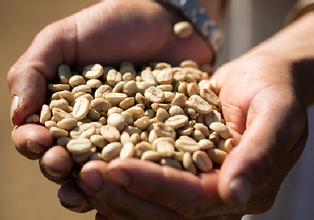
Coffee cherries start green and change to yellow, orange, or red as they ripen. Different coffee varieties can display unique colors. Ethiopia alone has over a thousand wild, uncultivated coffee species growing in its forests, far beyond the few commercial varieties most people drink.
The Long Life of a Coffee Tree
A single coffee tree can live for up to 200 years. Though it starts as a small seedling, it develops into a mature tree that can produce fruit for two centuries under the right conditions.
How Coffee Roasters Plan Their Supply
Most coffee roasters purchase a full year’s supply of beans at once, as coffee is typically harvested annually. These beans are stored using special preservation techniques and roasted close to the time of sale to ensure freshness.
The Truth Behind Cat Poop Coffee
Kopi Luwak, or civet coffee, comes from beans eaten and excreted by Asian palm civets. The digestive process is said to ferment the beans uniquely. A similar, more controversial version exists in Thailand, where elephants digest the beans to produce Black Ivory Coffee.
Who Drinks the Most Coffee?

Americans consume the most coffee per capita, followed by Germans. These countries lead global coffee intake, reflecting cultural and historical preferences for the drink.
How Professionals Taste and Describe Coffee
Evaluating coffee flavor is complex. Tasters must sample multiple cups because taste perception varies across the tongue—sweetness is detected at the tip, bitterness toward the back. The Specialty Coffee Association of America uses a flavor wheel with positive notes like apricot or baker’s chocolate, and negative descriptors like concrete or straw. Coffee has up to 1,500 aromatic compounds—far more than the 200 found in wine.
Why Espresso Isn’t Faster in Caffeine
Despite the name, espresso doesn’t deliver more caffeine per ounce than regular drip coffee. The term “espresso” comes from the Latin word for “pressed out.” A single shot has less caffeine than an 8-ounce cup of brewed coffee simply because it’s a smaller volume.
The Fast-Fading Aroma of Fresh Coffee
Coffee loses up to 70% of its aroma within two minutes of brewing, and most of its flavor within 15 minutes. That’s why specialty coffee experts emphasize drinking coffee soon after brewing to experience its full sensory profile.
Frequently Asked Questions
What is the true origin story of coffee?
The most accepted story is that an Ethiopian goatherd named Kaldi discovered coffee after noticing his goats became energetic from eating red coffee cherries. This led to humans trying the beans, eventually leading to coffee cultivation and trade.
Why is Mocha associated with chocolate coffee?
Mocha is the name of a Yemeni port city that was the first major hub for exporting coffee. Yemeni beans were noted for their chocolatey flavor, leading to the term “mocha” being used for chocolate-flavored coffee drinks.
What’s the difference between Arabica and Canephora coffee?
Arabica beans are sweeter, more acidic, and complex with higher sugar and fat content. Canephora (Robusta) is more bitter, higher in caffeine, and more resistant to disease, but generally considered inferior in flavor.
How much water does it take to grow coffee?
It takes 2,500 gallons of water to produce one pound of coffee beans, which is more than the 1,800 gallons required for a pound of beef, making coffee production very water-intensive.
What is civet coffee and how is it made?
Civet coffee, or kopi luwak, is made from beans eaten and excreted by Asian palm civets. The digestive process ferments the beans, altering their flavor. A similar process involving elephants produces what’s called Black Ivory Coffee.
Recommended FrontStreet Beans for Coffee History Fans
Explore the origins of coffee with FrontStreet Coffee’s Ethiopia Yirgacheffe, known for its bright acidity and floral notes like jasmine and lemon. For a deeper, chocolatey profile reminiscent of historic Mocha, try the Ethiopia Guji Humbera with hints of dark cherry and black tea. Finally, the Colombia Huila offers balanced nuttiness and caramel, bridging traditional and modern flavors. All are single-origin beans that let you taste the diversity coffee has to offer. Freshly roasted within 5 days · Orders placed before 17:00 ship the same day · Next-day delivery across most of Guangdong Province.
FrontStreet Coffee is a long-established specialty coffee roaster in Guangzhou China, selling freshly roasted beans from its own farm in Yunnan as well as dozens of carefully selected single-origin beans from around the world for both pour-over and espresso. The products deliver consistently excellent quality and great value, with shipping within 24 hours. Guangzhou's FrontStreet Coffee shop is recommended by many coffee lovers, and the beans are now available online at the Tmall 。
Important Notice :
前街咖啡 FrontStreet Coffee has moved to new addredd:
FrontStreet Coffee Address: 315,Donghua East Road,GuangZhou
Tel:020 38364473