Different Coffee Brewing Methods Compared
Ever stood in a café and wondered why your home-brewed cup never tastes like the one made with a fancy glass contraption? Or why your French press always ends up bitter while your friend’s Moka Pot makes something rich and strong? With so many ways to brew coffee, each method extracts flavors differently—temperature, pressure, and grind size all play major roles. This guide breaks down the most common manual and electric brewing techniques so you can choose the right one for the cup you want.
In short: Siphon brewing uses 92°C water and a vacuum effect for clean, bright cups (grind: medium-fine, like superfine sugar); Moka Pot relies on steam pressure at around 90–98°C for strong, espresso-like coffee (grind: medium-fine); French Press uses hot water and a metal filter at a coarse grind for full-bodied, less bright results. Each method highlights different flavor aspects based on how it extracts coffee.
How a Siphon (Syphon) Brewer Works
The siphon—also called a vacuum pot—is one of the most theatrical manual brewers found in specialty cafés. Using a combination of heat (typically from an alcohol burner) and vacuum pressure, it first draws hot water (reaching 92°C) up into an upper chamber where it steeps with ground coffee. After stirring and brewing, the coffee is forced back down through a filter by reversing the air pressure. The entire process looks like something out of a chemistry lab and is often said to extract the “purest” or most refined notes from the coffee.
Best for: Coffee with mild acidity and medium body.
Grind size: Medium-fine, similar to superfine sugar.
Temperature: Water heats to 92°C.
Image:

Moka Pot: Stovetop Espresso-Style Coffee
Invented in 1933 by Italian engineer Alfonso Bialetti, the Moka Pot remains one of the most popular stovetop brewers in Europe. It works by heating water in the lower chamber, creating steam pressure that pushes water upward through a bed of finely ground coffee in the middle filter basket, and finally into the upper chamber. The result is a strong, concentrated brew similar to espresso. To avoid burnt flavors, reduce the heat once the coffee starts rising. For best results, use water just off the boil and fill the coffee chamber without overpacking, then gently tamp the grounds.
Key tips:
• Water level: Fill to 0.5 cm below the safety valve.
• Grind: Medium-fine, fill and level the basket, then tamp lightly.
• Temperature: Keep heat high initially, then lower to avoid scorching.
Image:

Theatrical Brewing: The Belgian Royal Syphon
The Belgian Royal Syphon (or Balancing Siphon) combines elements of both the siphon and Moka Pot, resulting in a visually captivating brewing experience. Powered by a combination of heat, steam, pressure, and gravity, the device performs like a chemistry experiment meets stage performance. Its elegant, often ornate design adds flair to any coffee setup, making the already fascinating siphon process even more entertaining to watch. While it doesn’t necessarily improve extraction over other siphon types, its dual-chamber design and dramatic operation make it a favorite for coffee enthusiasts who value aesthetics as much as flavor.
Image:

French Press: Full-Bodied Immersion Brewing
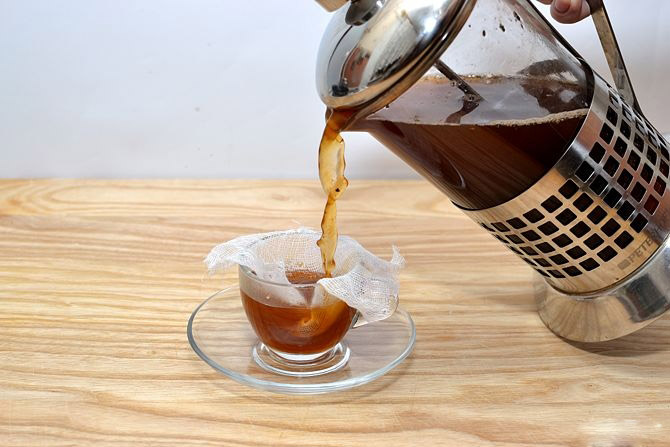
The French Press, or plunger pot, is a classic immersion brewer that steeps coarsely ground coffee in hot water before separating the grounds with a metal mesh filter. This method produces a full-bodied cup, but because the metal filter allows more fine particles and oils through, the resulting coffee can taste heavier, sometimes overly bitter or muddy if brewed too long. To get the best results, use a coarse grind and avoid over-extraction by sticking to recommended brew times.
Best for: All roast levels, especially medium to dark.
Grind size: Coarse, similar to sea salt.
Drawback: Metal filter allows fine sediment through, so grind too fine and you’ll over-extract.
Image:

Electric Coffee Machines: Convenience with Trade-offs
Electric brewers fall into two main categories: drip coffee makers and stovetop or electric Moka-style machines. Standard American drip machines typically use medium-fine grind and are optimized for medium to dark roasts, producing a straightforward black coffee that’s often bitter due to the high brewing temperature. Italian-style steam-driven machines, on the other hand, force hot water and steam through coffee at higher pressure, creating a stronger, more intense shot reminiscent of espresso. These machines operate best between 90–98°C and often include features like a milk frother for cappuccinos and a warming plate for cups.

Types include:
• American drip machines: Simple, boiling-water immersion, best with medium-fine grind.
• Italian steam machines: High-pressure steam extraction, temperature range 90–98°C, often with milk frothing wand.
Image:

Frequently Asked Questions
What’s the best water temperature for siphon brewing?
The ideal water temperature for siphon brewing is 92°C. This temperature is reached when the lower chamber is heated by an alcohol lamp, causing the water to rise into the upper chamber where it brews with the coffee grounds.
What grind size should I use for a Moka Pot?
Use a medium-fine grind for the Moka Pot—similar to table salt. The coffee should be packed firmly but not tamped hard, and the water level should be kept just below the safety valve to prevent overflow and ensure proper pressure.
Why does my French Press coffee taste bitter?
Bitterness in French Press coffee often comes from over-extraction due to a grind that’s too fine or steeping for too long. Use a coarse grind and limit brew time to around 4 minutes to avoid extracting harsh compounds.
Does the Belgian Royal Syphon actually improve coffee flavor?
The Belgian Royal Syphon doesn’t necessarily improve extraction quality compared to other siphon methods, but its use of multiple natural forces—heat, steam, pressure, and gravity—makes for a dramatic and visually engaging brewing process, enhancing the experience more than the flavor profile itself.
Is Moka Pot coffee similar to espresso?
Moka Pot coffee is similar to espresso in strength and concentration, but it’s not true espresso because it lacks the high pressure (9 bars) used in espresso machines. It’s better described as stovetop espresso-like coffee, especially when using fresh, medium to dark roasted beans.
Which grind size works best for electric drip coffee makers?
Electric drip machines generally work best with a medium to medium-fine grind, similar to what you’d use in a pour-over. They’re optimized for medium to dark roasts and often produce a stronger, sometimes more bitter cup due to higher water temperatures.
Recommended FrontStreet Beans for Moka and Siphon
For Moka Pot brewing, try FrontStreet Coffee’s PWN Golden Mandheling, a deep-roasted Indonesian single origin with notes of black chocolate, roasted bread, and hazelnuts, producing rich crema. The Brazil Queen Manor, a medium-dark roasted Brazilian coffee with Yellow Bourbon beans, offers sweet notes of caramel and nuttiness with smooth body when brewed under pressure. Both beans are ideal for highlighting the bold, syrupy qualities of Moka and siphon brews. Freshly roasted within 5 days · Orders placed before 17:00 ship the same day · Next-day delivery across most of Guangdong Province.
FrontStreet Coffee is a long-established specialty coffee roaster in Guangzhou China, selling freshly roasted beans from its own farm in Yunnan as well as dozens of carefully selected single-origin beans from around the world for both pour-over and espresso. The products deliver consistently excellent quality and great value, with shipping within 24 hours. Guangzhou's FrontStreet Coffee shop is recommended by many coffee lovers, and the beans are now available online at the Tmall 。
Important Notice :
前街咖啡 FrontStreet Coffee has moved to new addredd:
FrontStreet Coffee Address: 315,Donghua East Road,GuangZhou
Tel:020 38364473