How Different Coffee Makers Shape Your Cup’s Flavor
If you’ve ever wondered why your coworker’s French press coffee tastes richer than your office drip machine’s flat brew—or why your friend’s moka pot shots pack more punch—it’s not just the beans. It’s the brewer. The tool you use shapes everything: clarity, body, acidity, even temperature stability. Here’s how six common coffee makers actually change your cup.
Quick answer: Your coffee’s flavor, strength, and temperature depend heavily on the brewer. Drip machines yield mild, balanced cups (around 75°C); French presses highlight single-origin brightness; siphons enhance fruity acidity; mokas deliver bold, rich shots; and espresso machines create intense, concentrated extractions under 9 bars of pressure.
How Each Brewer Works—and Why It Matters
Different coffee makers use distinct methods to extract flavors from grounds. Some rely on heat and pressure (like moka pots or espresso machines), others on immersion (French press) or filtration (drip, siphon). These techniques affect how quickly compounds dissolve, which flavors dominate, and even how long your coffee stays hot. Understanding these mechanics helps you pick the right tool for your taste preferences.
1. Drip Coffee Makers: Reliable but Mild
The classic electric drip machine heats water to boiling, then uses steam pressure to push it through a filter basket filled with coffee grounds. The brewed coffee drips into a carafe, where a warming plate keeps it at approximately 75°C. This method is hands-off and efficient, making it ideal for offices, dorms, or anyone who values convenience over complexity.
Flavor-wise, drip coffee tends to be light and clean, with muted acidity and a straightforward profile. It’s great for casual drinking but doesn’t highlight nuanced single-origin characteristics. Think of it as the “default” cup—reliable, but not particularly expressive.
2. French Press: Full-Bodied & Single-Origin Focused
This 1850s-born French tool (also called a plunger pot) consists of a glass carafe and a metal mesh filter attached to a plunger. Coarse-ground coffee steeps in hot water (usually around 93–96°C) for 4 minutes before the plunger is pressed down to separate the grounds. The immersion method ensures all grounds interact fully with water, extracting more oils and solids.
The result? A rich, full-bodied cup that beautifully showcases single-origin beans. Acidity is present but balanced, and you’ll notice deeper sweetness and body compared to drip coffee. It’s forgiving (minimal technique required) and perfect for office or lazy morning use.
3. Siphon (Vacuum) Pot: Bright & Theatrical
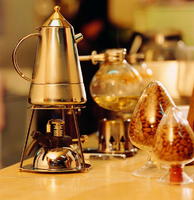
Often called the “glass ball” brewer, the siphon uses vapor pressure and vacuum principles. Water heats in the lower chamber, creating steam that pushes it into the upper chamber where it mixes with coffee grounds. When removed from heat, the lower chamber cools, creating a vacuum that pulls the brewed coffee back down through a filter. The entire process feels almost scientific—and it highlights the coffee’s liveliest qualities.
Flavor is vibrant and clear, with pronounced bright acidity and a silky mouthfeel. The siphon excels at bringing out the fruity, floral notes of high-quality beans, making it a favorite for coffee enthusiasts who enjoy a bit of theater with their brew.
4. Moka Pot: Bold & Rich (Almost Espresso-Like)
This stovetop brewer splits into two chambers: water boils in the bottom, generating steam pressure that forces water up through a filter filled with finely ground coffee (similar to espresso pressure, though not identical). The brewed coffee collects in the top chamber, resulting in a thick, strong cup with a heavier body.
Taste-wise, moka pot coffee is bold and intense, with a touch of bitterness and a rich crema-like layer on top. It’s often compared to espresso but isn’t quite the same—think of it as a strong, cafe-style shot that’s perfect for milk drinks or those who crave a robust kick.
5. Espresso Machine: Concentrated & Balanced
True espresso machines (not pod-based) use 9 bars of pressure (about 130 PSI) and 90°C water to extract 30ml of coffee in roughly 24 seconds. This intense process requires finely ground coffee and precise tamping, but it produces a concentrated shot with a rich crema on top. Machines come in semi-automatic (you grind and tamp) and fully automatic (handles everything) versions.
The flavor is intense yet balanced—high caffeine density without excessive bitterness. The crema adds texture, and the extraction method ensures a clean, refined cup. It’s the base for lattes, cappuccinos, and other milk drinks, but also delicious on its own.
6. Capsule Coffee Machines: Convenient & Consistent
These modern machines use pre-packaged coffee capsules filled with nitrogen-sealed, pre-ground coffee. Just pop in a capsule, press a button, and you’ll get a shot of espresso in seconds. No grinding, no measuring, no cleanup beyond tossing the used capsule.
Flavor is consistent and reliable—each capsule is engineered to produce a uniform shot. While not as customizable as other methods, capsule machines are perfect for beginners or anyone who values speed and ease. The nitrogen sealing helps preserve freshness, ensuring your coffee tastes as intended straight from the pack.
Frequently Asked Questions
Which coffee maker best highlights single-origin beans?
The French press and siphon pot are your best bets. The French press’s immersion method extracts bold, clear flavors from single-origin beans, emphasizing body and subtle acidity. The siphon, with its vacuum filtration, enhances bright, floral, and fruity notes, making it ideal for showcasing high-quality, distinctive coffees.
Why does drip coffee taste milder than other methods?
Drip machines use paper filters that trap oils and fine particles, resulting in a cleaner but less intense cup. The brewing temperature (around 75°C) and shorter contact time also limit extraction of bold compounds, leading to a smoother, more balanced—but less complex—flavor profile.
Does the moka pot actually make espresso?
Not quite. While the moka pot uses pressure (similar to espresso), it operates at lower pressure and brews a larger volume of coffee (typically 30–60ml per brew). The result is a strong, rich cup with some espresso-like qualities but a different texture and extraction profile. It’s best described as a stovetop “espresso-style” coffee.
Is a siphon pot worth the effort?
If you enjoy the brewing process and want a visually striking, theater-like experience, yes. The siphon highlights bright acidity and clarity, making it perfect for specialty coffee lovers who appreciate a unique, hands-on method. It’s less practical for everyday use but a fun addition to any coffee enthusiast’s collection.
Can I use any coffee beans in a capsule machine?
Capsule machines are designed for specific pre-packaged capsules, which are pre-ground and nitrogen-sealed for consistency. While you can’t customize beans, these capsules ensure a reliable shot every time. For fresh, whole-bean flexibility, other brewers (like French press or moka pot) are better options.
What’s the easiest brewer for beginners?
The drip coffee maker or capsule machine wins for simplicity. Both require minimal effort—just add water and coffee (or a capsule), press a button, and wait. The French press is also beginner-friendly, with a straightforward steep-and-plunge process that delivers great results without precision grinding.
Recommended FrontStreet Beans for Filter & Espresso
For drip or French press, try FrontStreet’s Ethiopia Humbera—a washed Yirgacheffe with citrus, jasmine, and honey notes that shine through immersion brewing. For moka pot or espresso, the PWN Golden Mandheling offers a balanced body with dark chocolate and red fruit, while the Kenya Little Tomato brings bright acidity and berry tones. Freshly roasted within 5 days · Orders placed before 17:00 ship the same day · Next-day delivery across most of Guangdong Province.
FrontStreet Coffee is a long-established specialty coffee roaster in Guangzhou China, selling freshly roasted beans from its own farm in Yunnan as well as dozens of carefully selected single-origin beans from around the world for both pour-over and espresso. The products deliver consistently excellent quality and great value, with shipping within 24 hours. Guangzhou's FrontStreet Coffee shop is recommended by many coffee lovers, and the beans are now available online at the Tmall 。
Important Notice :
前街咖啡 FrontStreet Coffee has moved to new addredd:
FrontStreet Coffee Address: 315,Donghua East Road,GuangZhou
Tel:020 38364473