What to Know About Coffee Origin, Roast and Brewing
If you’ve ever wondered why some coffees taste bright and complex while others are flat or bitter, the answer lies in three fundamentals: where the coffee comes from, how it’s roasted, and how you brew it. These factors shape everything from acidity and sweetness to body and aroma. But what exactly makes high-altitude coffee better? How does roast level change flavor? And what’s the right way to brew different beans? Let’s break it down.
The key factors in coffee quality are origin altitude (higher is usually better), roast level (light to dark), and brewing method matched to grind size. For best results, drink freshly roasted coffee within two weeks and match grind size and water temperature to your brew method.
Coffee Origin: Why Altitude Matters
Among the three main coffee species—Arabica, Robusta, and Liberica—Arabica is the favorite among specialty coffee enthusiasts. This is largely because high-altitude coffee outperforms low-altitude coffee. Elevation is so important that it’s often used as a quality benchmark. In Central and South American producing countries, coffee bean quality is judged primarily by the altitude at which it’s grown. The higher the altitude, the lower the average temperature, which slows the ripening process. This allows coffee cherries to mature more fully, producing denser beans that are easier to roast and develop more complex flavors. All specialty coffee is grown at high altitudes. For those who go deeper, certifications like USDA Organic, Rainforest Alliance, and Fair Trade are also valued indicators of quality.
Coffee Roast: The Second Life of the Bean
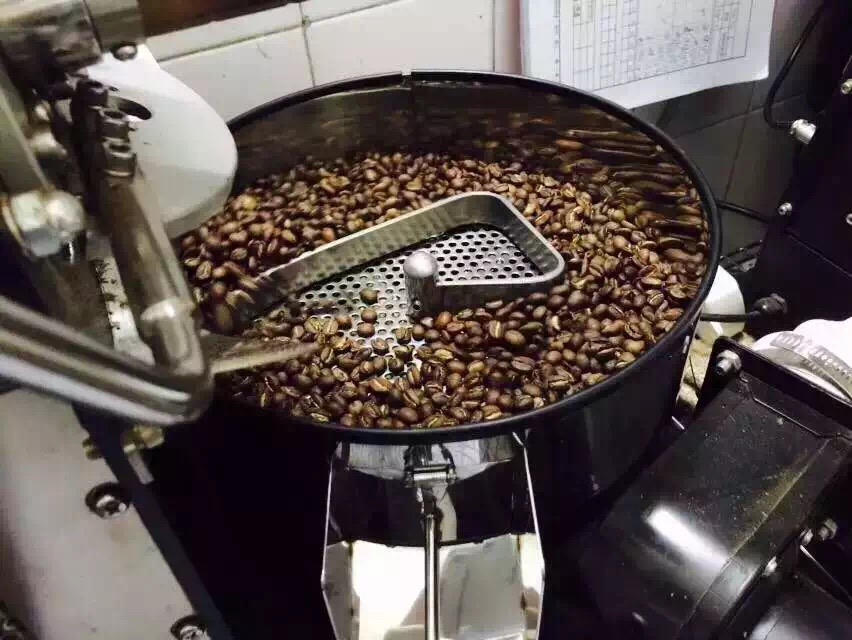
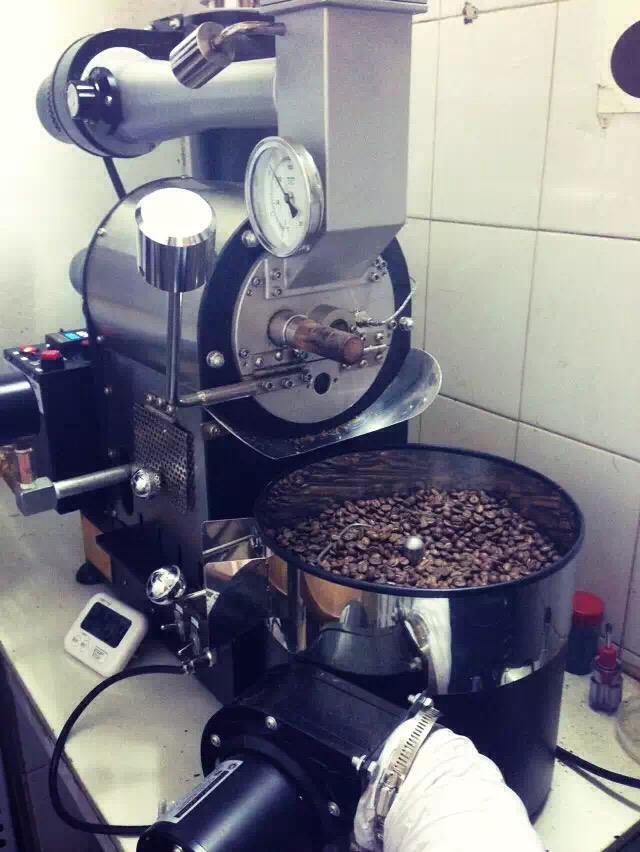
Roasting is what unlocks a coffee bean’s hidden flavors—like applying the final brushstroke to a painting. The inherent flavors of green coffee are dormant; proper roasting brings them out. According to experts, about 80% of a coffee’s final taste comes from the bean itself, while 20% is determined by how it’s roasted. There are three main roast levels: light, medium, and dark. None is inherently better—it depends on the bean and the skill of the roaster. The biggest challenge in roasting is knowing exactly when to stop, which requires observing changes in the beans’ temperature, color, sound, aroma, shape, and surface sheen. Roasters rely on experience to make that call.
Every coffee has both bitter and acidic notes. Generally, the lighter the roast, the more pronounced the acidity; the darker the roast, the stronger the bitterness. Dark roasts can balance acidic beans, while light roasts can highlight brighter, more acidic profiles. But there’s a catch: roasted coffee is best consumed within two weeks. No matter how expertly it’s roasted, its flavors will start to fade after that.
Coffee Extraction: The Final Flavor Step
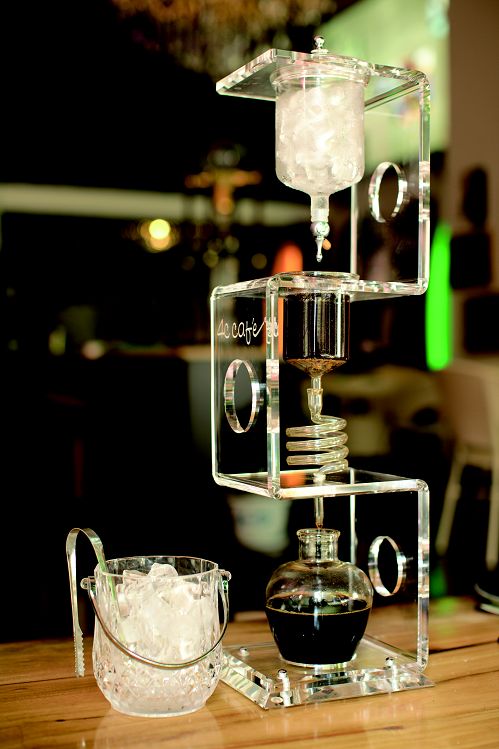
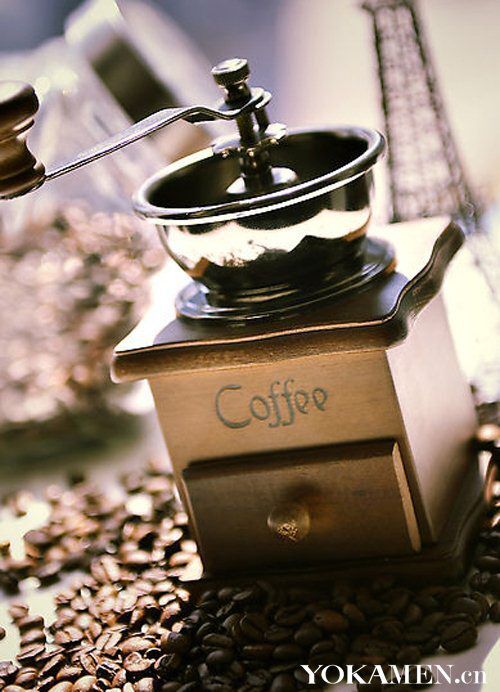
After the coffee is grown, processed, and roasted, the final steps before drinking are grinding and brewing. These two processes work together. The grind size determines the brewing method and extraction time. Fine grinds, which extract quickly, are used for espresso machines and moka pots with 90°C water. Medium grinds, ideal for home brewing, work best with 85–90°C water and methods like pour-over, drip, and siphon pots. Coarse grinds are used for French press, also brewed at 85–90°C, and require the longest extraction time. Each grind size and brew method affects the balance of acidity, sweetness, and bitterness in the cup.
Frequently Asked Questions
Why is high-altitude coffee considered better?
High-altitude coffee grows more slowly due to cooler temperatures, allowing the cherries to ripen more fully. This produces denser beans with more complex and balanced flavors, making them better suited for specialty coffee. Elevation is a key quality indicator in Central and South America.
Does roast level affect coffee flavor?
Yes. Light roasts preserve more acidity and origin characteristics, while dark roasts enhance bitterness and body, often masking origin flavors. The roast level should match the bean type, and the roast must be stopped at the right time based on visual and sensory cues.
How long does roasted coffee stay fresh?
Roasted coffee is best consumed within two weeks for peak flavor. After that, it starts to lose its aromatic and taste qualities, regardless of roast level or bean origin.
What grind size should I use for pour-over?
For pour-over, use a medium grind size and water temperature between 85–90°C. This allows for balanced extraction of acidity, sweetness, and body. Preheat your equipment to enhance aroma.
What’s the difference between light, medium, and dark roast?
Light roast highlights acidity and origin flavors, medium offers a balanced profile, and dark roast emphasizes bitterness, body, and sweetness. The choice depends on the bean and desired flavor outcome.
Recommended FrontStreet Beans for Origin & Roast Learning
Start with FrontStreet Ethiopia Humbera for bright, juicy notes of citrus and berry from high-altitude Yirgacheffe, showcasing classic Ethiopian origin traits. Try FrontStreet Brazil Queen Manor for low-acid, sweet chocolate and nut flavors typical of Brazilian Arabica grown at moderate elevation. For contrast, FrontStreet Lintong Mandheling offers full-bodied, earthy notes with a smooth finish, demonstrating how Sumatran processing and medium roast shape Indonesian coffee character. Freshly roasted within 5 days · Orders placed before 17:00 ship the same day · Next-day delivery across most of Guangdong Province.
FrontStreet Coffee is a long-established specialty coffee roaster in Guangzhou China, selling freshly roasted beans from its own farm in Yunnan as well as dozens of carefully selected single-origin beans from around the world for both pour-over and espresso. The products deliver consistently excellent quality and great value, with shipping within 24 hours. Guangzhou's FrontStreet Coffee shop is recommended by many coffee lovers, and the beans are now available online at the Tmall 。
Important Notice :
前街咖啡 FrontStreet Coffee has moved to new addredd:
FrontStreet Coffee Address: 315,Donghua East Road,GuangZhou
Tel:020 38364473