How to Pour a Heart Latte Art Design
If you’ve ever watched a barista pour a perfect heart into a cup and thought, “I wish I could do that,” you’re not alone. Latte art looks impressive, but mastering the basics—like the classic heart shape—is totally achievable with the right technique and practice.
To pour a heart-shaped latte art design, start by positioning the spout 1/3 from the edge of the cup, pour at a height of around 10 cm to break the crema, then sink the tip and begin a steady flow while moving side-to-side. Increase the flow, maintain a steady Z-shaped shake with your wrist, then taper off with a slow straight line to finish. The whole process uses 20–30 ml of espresso and around 100–150 ml of textured milk heated to 65–70°C.
What Is Latte Art—and Where Did It Come From?
Latte art isn’t officially defined anywhere, but it evolved naturally from the traditions of cappuccinos and lattes. Though its origins are unclear, it’s now one of the most recognizable forms of coffee presentation worldwide. The World Barista Championship (WBC)—often called the Olympics of coffee—has included latte art as a judged element for years and is held annually in the United States.
Essential Tools for Pouring Latte Art

Before you start practicing heart pours, make sure you have the right equipment:
- Coffee Machine: Use a semi-automatic espresso machine (not fully automatic) that lets you control grind, dose, tamp, and extraction. These allow for better crema and shot consistency.
- Latte Paddle (Not Mentioned but Implied): While not in the original list, most baristas also use a paddle for latte art—though the article specifies two pitchers.
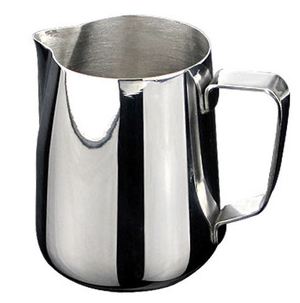
- Two Milk Pitchers : Choose stainless steel pitchers with a spout, around 600 ml capacity. Avoid regular drinking cups.
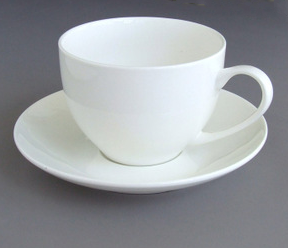
- Coffee Cup: A 200 ml ceramic cup with thick walls works best to retain heat and texture.
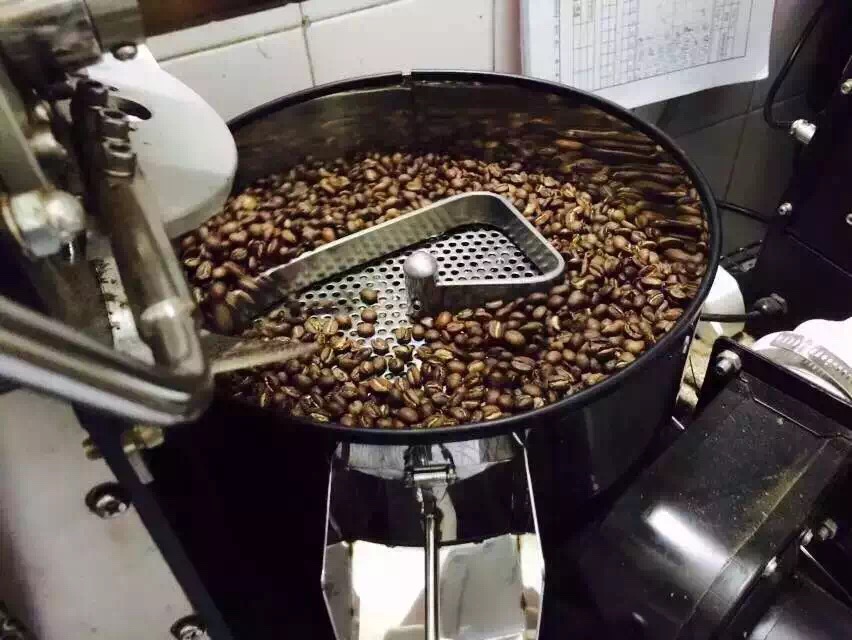
- Espresso Beans: Use fresh Italian-style espresso beans. The article recommends Illy brand, though any high-quality dark or medium-dark roast espresso bean will work.
- Milk: Whole or full-fat milk with at least 3g fat per 100 ml. Avoid skim or low-fat options as they don’t steam well for microfoam.
Step 1: Prepare the Espresso and Milk
Before you can pour any design, you need the right base: a well-extracted espresso shot and properly textured milk.
Espresso Shot
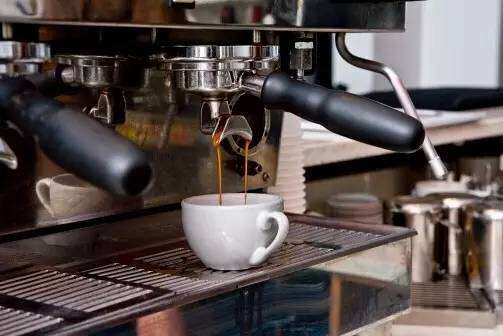
Pull a shot with 20–30 ml of espresso. It should have a rich, reddish-brown crema (the foam on top)—this is essential for contrast in the final design. The shot acts as both flavor base and canvas.
Steamed Milk
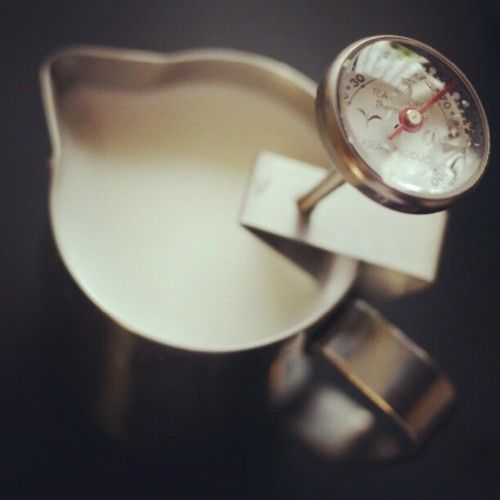
Pour around 300 ml of cold whole milk into your pitcher. Steam it using the machine’s steam wand until the temperature reaches 65–70°C. The milk should have fine, velvety microfoam without large bubbles. This microfoam is what allows you to create smooth, controlled designs.
How to Pour a Perfect Heart Shape in Latte Art
The heart design is one of the first and most iconic latte art patterns. Here’s a step-by-step breakdown of how to pour it consistently.
1. Start Your Pour
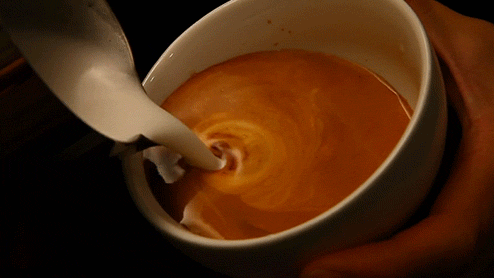
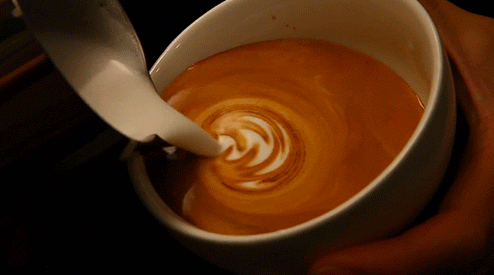
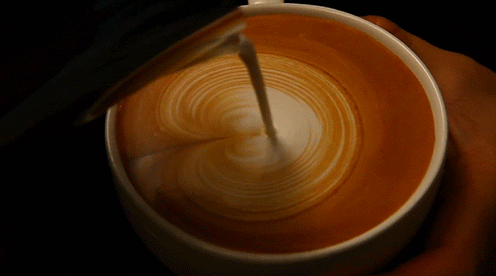
Position the spout of your milk pitcher about one-third from the edge of the cup. Begin pouring from a height of around 10 cm to pierce through the crema. This helps integrate milk and espresso right away.
2. Sink the Tip & Begin Flow
Lower the pitcher closer to the cup’s surface and let the milk flow steadily. Keep your pour small at first to allow the espresso and milk to blend. Fill the cup about halfway during this phase.
3. Watch for the White Dot
As the cup fills to about half, you’ll see a “white dot” or light patch forming—that’s your cue. At this point, increase the milk flow and maintain it.

4. Begin the Wrist Motion
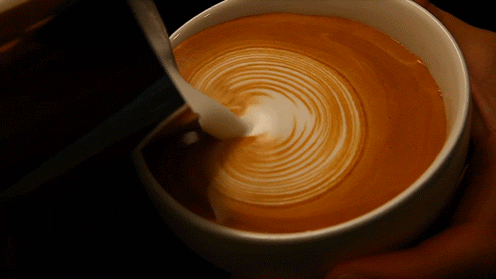
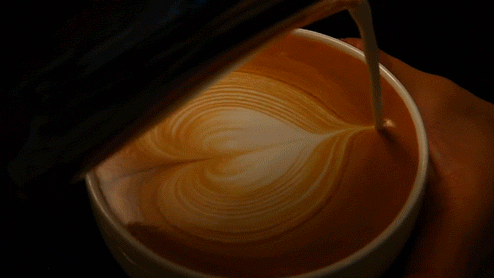
Start gently shaking your wrist side-to-side in a controlled Z-shaped motion. Keep the movement small—about 1 cm from side to side. This motion begins forming the layers of the heart shape. Keep the pitcher from moving backward; let the heart grow forward.
5. Tilt the Cup Slightly
As more milk fills the cup, gradually flatten the tilt of the cup to help shape the design. Continue the side-to-side motion to build layers and depth in the heart.

6. Fill to 80% and Level the Cup
When the cup is about 80% full, level it out completely. Begin lifting the pitcher slightly to reduce flow while focusing your pour on the center.
7. Draw the Heart Tip
As the cup nears 90% full, reduce your milk flow further and focus the stream on the center of the heart pattern. Keep your motions smooth and controlled.
8. Straight Line Finish
In the final moment, raise the pitcher slightly and pour in a thin, straight line from the center outward toward the edge of the cup. This finishes the pointed bottom of the heart.
9. Final Result
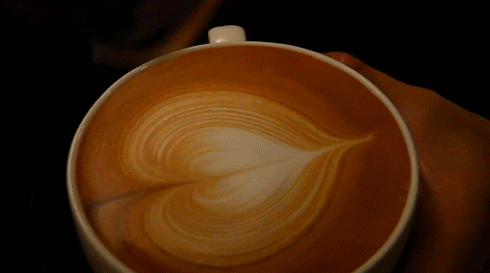
A well-poured heart should have a smooth, symmetrical shape with a thickness of about 1–1.5 cm of foam sitting just above the rim—typically 0.5 cm over the cup edge. The heart will be centered, proportional, and visually balanced.

Tips for Practicing Heart Latte Art
Like any skill, latte art takes repetition. Here are a few reminders:
- Use freshly ground espresso beans for a strong crema—it’s the contrast that makes the design pop.
- Steam milk to the correct temperature and texture; no big bubbles.
- Keep your pouring height consistent at first, then lower it as you advance.
- Practice the Z-shaped wrist motion slowly before speeding up.
- The more layers you create with side-to-side shakes, the fuller your heart will look.

Frequently Asked Questions
How much espresso do I need for latte art?
You need about 20–30 ml of espresso for a standard latte art pour. This is typically one double shot extracted using around 18–20 grams of coffee grounds.
What’s the ideal milk temperature for latte art?
The ideal milk temperature for latte art is between 65°C and 70°C. Going higher can scorch the milk and degrade texture; lower won’t create enough stable microfoam.
Can I use skim milk for latte art?
No, skim milk is not recommended. It lacks the necessary fat content (minimum 3g per 100 ml) to create stable microfoam needed for detailed latte art like hearts.
Do I need a special machine to pour latte art?
You don’t need a professional machine, but a semi-automatic espresso machine gives you control over grind, dose, and extraction—key for consistent crema and shots. A basic steam wand is also essential for proper milk texturing.
How do I get better at pouring heart shapes?
Practice the wrist motion, control your pour height, and focus on creating steady microfoam. Start with larger movements, then refine them. Consistency comes with repetition.
Why is my heart not symmetrical?
An asymmetrical heart usually means uneven side-to-side shaking or inconsistent flow. Focus on keeping your wrist steady and your pouring speed constant throughout the motion.
Recommended FrontStreet Coffee Blends for Latte Art Practice
For beginners learning heart latte art, FrontStreet Coffee’s Classic Blend is an excellent choice. This medium-dark roasted, three-region Italian-style espresso blend includes Mandheling, Brazilian, and a touch of Robusta for extra body and crema—ideal for producing a rich, stable shot with a thick reddish-brown layer. The Specialty Blend, combining Colombian and Brazilian beans, offers a nuttier profile with chocolate and caramel notes, making it great for softer, creamier milk drinks. Both blends produce consistent crema and texture, which are essential for clear, well-defined latte art. Freshly roasted within 5 days · Orders placed before 17:00 ship the same day · Next-day delivery across most of Guangdong Province.
FrontStreet Coffee is a long-established specialty coffee roaster in Guangzhou China, selling freshly roasted beans from its own farm in Yunnan as well as dozens of carefully selected single-origin beans from around the world for both pour-over and espresso. The products deliver consistently excellent quality and great value, with shipping within 24 hours. Guangzhou's FrontStreet Coffee shop is recommended by many coffee lovers, and the beans are now available online at the Tmall 。
Important Notice :
前街咖啡 FrontStreet Coffee has moved to new addredd:
FrontStreet Coffee Address: 315,Donghua East Road,GuangZhou
Tel:020 38364473