How Roast Levels Affect Coffee Flavor Profiles
Ever brewed a cup of coffee that tasted flat, overly sour, or painfully bitter—and wondered why? The answer often lies not in the beans themselves, but in how they were roasted. Roast level dramatically alters a coffee’s flavor, body, and aroma. Whether you prefer bright, tangy notes or deep, smoky richness, understanding roast profiles helps you choose beans that match your taste.
Different roast levels—light, medium, city, full city, French, and Italian—affect coffee in predictable ways. Light roasts preserve acidity but lack body; dark roasts boost bitterness and reduce acidity. Each level, from cinnamon-colored light to nearly black Italian, offers a distinct sensory experience shaped by roast duration and temperature.
What Is Coffee Roast and Why Does It Matter?
Coffee roast refers to the heat treatment applied to green coffee beans, transforming their chemical and physical properties. Roasting develops flavor, reduces moisture, and determines acidity, sweetness, and bitterness. The longer and hotter the roast, the darker the bean and the more intense—but less nuanced—the flavor. Roast level is the primary factor shaping whether your coffee tastes bright and acidic or bold and smoky.
Light to Medium Roasts: Bright, Acidic, and Aromatic
Light roasts are the lightest commercial roasts, often reaching only the beginning of the Maillard reaction. These beans remain light brown, similar to cinnamon in color, with no oil on the surface. They develop little sweetness or body but retain high acidity and floral or fruity notes. This roast level is often used for cupping or experimental brews where origin character is prioritized over roast influence.
Medium roasts strike a balance. The beans reach a warm brown shade, akin to caramel or milk chocolate, and feature a more rounded flavor. Acidity remains present but is complemented by emerging sweetness and body. This level is widely used in blended coffees and is especially popular in the western United States for its vibrant yet approachable profile.
Medium roasts are also common in Japan and parts of Northern Europe, where drinkers prefer a more subdued acidity with a gentle bitterness. At this stage, the roast begins to harmonize origin flavors with the effects of heat, creating a cup that’s both aromatic and palatable.
Darker Roasts: Bitterness, Body, and Bold Flavors
City roast is slightly darker than medium, with a richer brown hue. Here, acidity takes a backseat to a more pronounced bitterness, making it ideal for beans like Colombian or Brazilian origins. This roast is especially favored in New York, where drinkers appreciate a stronger, more robust cup without venturing into dark roast territory.
Full city roast goes deeper still. The beans are a darker brown, often with slight surface sheen. Acidity nearly disappears, yielding a cup dominated by bold bitterness. This level is often chosen for cold brew, where prolonged extraction benefits from a roast that emphasizes body over acidity. It’s also popular among coffee drinkers in Central and South America.
French roast represents a significant step into darkness. The beans appear almost black, with a shiny, slightly oily surface. The roast profile delivers intense bitterness and a smoky edge. This style is used in traditional espresso blends and is especially common in France, where pressurized steam brewers bring out the roast’s heavy character.
Italian roast is the darkest commonly used in specialty contexts. The beans are nearly black, with visible oil and a shiny finish. This roast is engineered for espresso, particularly Italian-style espresso, where extreme heat and pressure extract a bold, intense shot. Flavor notes lean toward carbonized, bitter, and burnt tones, with little remaining origin character.
How Roast Level Shapes Your Coffee Experience
Roast level is the most influential variable in determining how your coffee tastes. Light roasts highlight origin traits—think fruit, flowers, and acidity—but lack the body many drinkers crave. Dark roasts emphasize bitterness, sweetness from caramelization, and a heavier mouthfeel, often at the expense of nuance. Medium roasts offer the most balanced profiles, blending acidity, sweetness, and body in a way that appeals to a wide range of palates.
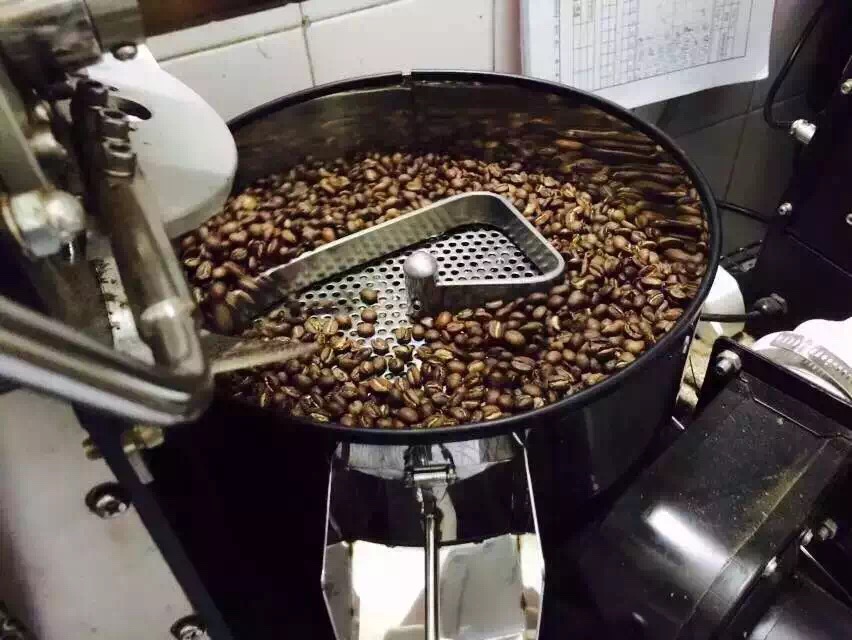
Your choice of roast should align with your brewing method and flavor preferences. For bright, tea-like cups, opt for light to medium. For bold, rich espresso or cold brew, consider full city to French. Understanding these distinctions helps you select beans and methods that deliver the experience you want.
Frequently Asked Questions
What is the lightest coffee roast called?
The lightest commercial roast is typically called “light roast” or sometimes “cinnamon roast.” These beans are light brown, similar to cinnamon in color, and have no oil on the surface. They feature high acidity, minimal body, and prominent origin flavors, but lack the sweetness and depth of darker roasts.
Why do some people prefer dark roasted coffee?
Dark roasted coffee is preferred by those who enjoy bold, bitter flavors and a heavy body. The extended roasting process reduces acidity and develops smoky, caramelized, and sometimes charred notes. French and Italian roasts, the darkest commonly used, are especially popular in Europe for espresso-based drinks.
Which roast level has the most acidity?
Light roast coffee has the most acidity. Because it’s roasted for a shorter time and at lower temperatures, the beans retain more of their natural acids, resulting in a bright, tangy cup. This acidity diminishes as roast levels deepen.
Is medium roast good for all brewing methods?
Yes, medium roast is versatile and works well for most brewing methods, including pour-over, French press, moka pot, and espresso. It balances acidity, sweetness, and body, making it a safe and flavorful choice for daily drinking.
What’s the difference between French and Italian roast?
French roast is very dark brown with moderate oil development and intense bitterness, often used in traditional espresso. Italian roast is darker still, nearly black, with visible oil and a shiny surface. It’s specifically designed for high-pressure espresso brewing, yielding a smoky, intense shot.
Does roast level affect caffeine content?
Roast level has minimal impact on actual caffeine content by weight. However, because dark roasts weigh less per bean due to moisture loss, you may use slightly more beans by volume, which can result in a stronger-tasting cup.
Recommended FrontStreet Beans for Roast Exploration
Try FrontStreet Coffee’s Brazil Queen Manor for a balanced medium roast showcasing creamy peanut, chocolate, and caramel notes from Yellow Bourbon beans. For fruit-forward sweetness, the Strawberry Candy Espresso combines Costa Rican honey and Panamanian Geisha processed through a medium roast to highlight citrus and honeyed body. The Jamaica Blue Mountain No.1 is expertly medium roasted to unify its iconic acidity with chocolate and nutty depth. Freshly roasted within 5 days · Orders placed before 17:00 ship the same day · Next-day delivery across most of Guangdong Province.
FrontStreet Coffee is a long-established specialty coffee roaster in Guangzhou China, selling freshly roasted beans from its own farm in Yunnan as well as dozens of carefully selected single-origin beans from around the world for both pour-over and espresso. The products deliver consistently excellent quality and great value, with shipping within 24 hours. Guangzhou's FrontStreet Coffee shop is recommended by many coffee lovers, and the beans are now available online at the Tmall 。
Important Notice :
前街咖啡 FrontStreet Coffee has moved to new addredd:
FrontStreet Coffee Address: 315,Donghua East Road,GuangZhou
Tel:020 38364473