How to Store Roasted Coffee Beans for Best Flavor
You bought freshly roasted coffee beans—but they taste flat, dull, or even off. Maybe they’re too fresh. Maybe they’ve gone stale. Either way, your expensive specialty beans aren’t delivering. So what’s really going on after roasting—and how do you get the best out of them?
The short answer: don’t use your beans right after roasting. Let them degas (or ‘rest’) for 24 hours minimum, ideally up to 48. Drink them within 30–50 days (depending on roast level) and store them sealed, dark, and dry—or frozen once they’ve peaked.
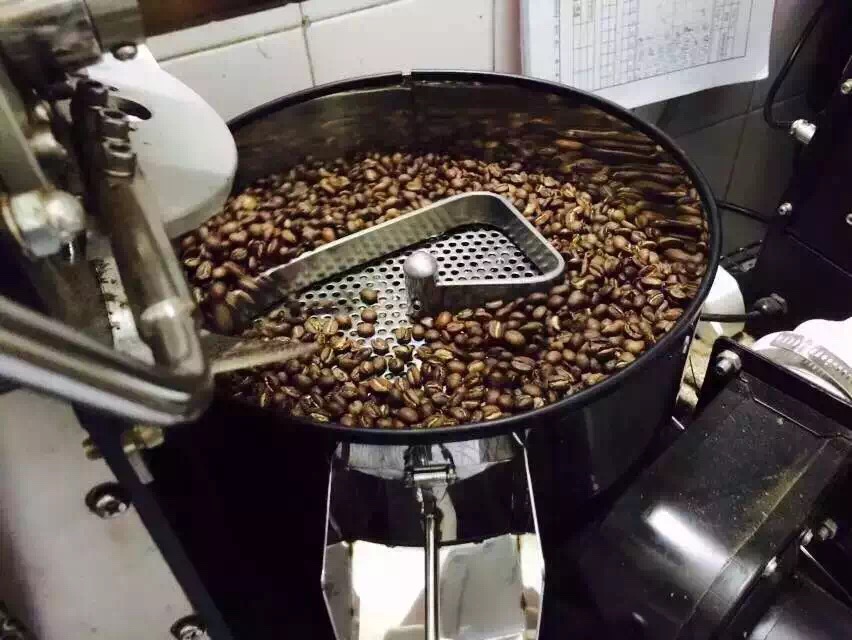
What Happens Right After Roasting? The Need to Rest (“Degassing” or “”)
Right after roasting, coffee beans are packed with carbon dioxide and unstable aromatics. That CO₂ blocks flavor release—so your first cups might taste bland or underdeveloped. This is why you should let roasted beans rest, a process called “degassing” or in Chinese. For most single-origin coffees, 24 hours is enough. Lighter roasts benefit from 48 hours.
When Do Coffee Beans Taste Their Best? The Optimal Freshness Window
After the initial rest, beans enter their “best flavor period.” For medium roasts, that’s around 30 days. Light roasts last longer—about 40–50 days. Dark roasts peak much sooner, usually within 30 days. But these timelines only hold if you store them right: sealed, away from light, and protected from moisture.
Most store-bought or mailed-in coffee arrives past this window. Enthusiasts often buy from roasters who roast to order, ensuring beans arrive within days of roasting.
The Truth About Coffee Packaging: What Works and What Doesn’t
Most commercial coffee comes in valve-sealed foil bags. These have an inner aluminum layer to block light and oxygen, plus a one-way valve that lets CO₂ escape without letting air in. Handy—but temporary.
Once the beans are rested, those valves continue releasing CO₂ and aromatic compounds. So transfer your beans to a truly airtight container. Those same valve bags and tins? Not ideal for long-term storage.
Even containers with airtight seals aren’t perfect—most let in small amounts of air. But they still slow oxidation significantly compared to leaving beans in the open or in a permeable bag.
How Roast Level and Storage Affect Flavor Over Time
Here’s how coffee flavor typically evolves after degassing:
- 1. Bright, sharp fruit acids
- 2. Enhanced fruity aroma
- 3. Softer acids, more sweetness and aroma
- 4. Balanced flavors overall
- 5. Acidity and aroma fade, off-notes emerge
- 6. Clear defects and staleness (past best-before)
This progression varies based on roast depth and storage quality. Some drinkers notice changes in 3 days; others take a week. Use your palate—not just a timeline—to decide when your beans are peaked or past their prime.
Espresso: Why It Needs Longer Resting
Espresso brewing uses high pressure, which amplifies brightness and harshness. That’s why espresso roasts are usually medium or darker, and blends are common—to smooth out the cup. The ideal flavor window for espresso beans is typically after 1 week or more of rest, once the CO₂ has settled and the shot pulls cleaner with better crema stability.
Choosing the Right Container for Long-Term Storage
Once beans are rested, move them out of valve bags. Airtight, opaque containers are ideal. Glass jars with tight lids work. So do stainless steel canisters. Avoid clear containers and anything that lets in light or doesn’t seal tightly. Even “good” containers may leak a bit of air—but they’re still far better than open bags.
Keep Them Cool and Dry: The Role of Temperature and Humidity
Heat and moisture speed up oxidation and ruin freshness. That’s why many notice their summer-stored beans go stale faster. The solution? Keep beans sealed and store them in the freezer if you won’t use them quickly.
Freeze only the beans in their peak window. Don’t freeze right after roasting—wait until they’ve degassed and reached flavor maturity. Coffee’s low moisture content prevents it from freezing solid. And no, the freezer isn’t humid like the fridge. It’s actually very dry and cold—ideal for slowing down staling reactions.
Using Frozen Coffee Beans: Tips and Minor Trade-offs
When you need beans from the freezer:
- Take out only what you’ll use immediately.
- Weigh and grind them quickly.
- Then return the rest to the freezer ASAP.
Don’t worry about condensation—just don’t leave them sitting out. A sealed container retains enough warmth for a few minutes while you prep. Also, keep your freezer clean to avoid flavor contamination.
One small trade-off: frozen beans may taste slightly less vibrant. But that’s nothing compared to the flat, baggy taste of beans left too long at room temp. Try an experiment: split a batch, store half frozen and half at room temp for a couple months. The difference will be obvious.
Frequently Asked Questions
How long should I let freshly roasted coffee beans rest before brewing?
Most single-origin coffee beans need at least 24 hours of rest, especially lighter roasts which often benefit from 48 hours. This allows excess CO₂ to dissipate so flavors can fully develop.
What is the best storage method for keeping coffee beans fresh?
Store beans in an airtight, opaque container, in a cool, dry place, away from light. Once they reach peak flavor, freezing in a sealed container helps extend freshness for several months.
How long do roasted coffee beans stay fresh?
Under proper storage, medium-roast beans stay in their optimal flavor window for about 30 days, light roasts for 40–50 days, and dark roasts for around 30 days or less.
Should I store coffee beans in the fridge or freezer?
Don’t use the fridge—it’s too humid. For long-term storage, use the freezer, but only after the beans have rested and are at peak flavor. Make sure they’re in a sealed container to avoid moisture and odors.
Does freezing coffee beans affect the taste?
Freezing can slightly mute brightness, but the trade-off is minimal compared to the staling that happens at room temperature. The main risk is condensation if beans aren’t sealed properly or thawed too slowly.
Do I need a special container for storing coffee beans?
Yes, use an airtight, opaque container to protect against oxygen, light, and moisture. Avoid clear containers or open bags, even if they have a one-way valve—they’re not ideal for long-term storage.
Recommended FrontStreet Coffee Beans for Freshness & Storage
For exploring optimal roast freshness, try FrontStreet Coffee’s Ethiopia Guji Humbera – a light roast with vibrant fruit and floral notes, best after 48 hours rest and within 40–50 days. The Colombia Narino Huila is a medium roast with citrus and caramel, ideal for showcasing the 30-day sweet spot. For espresso, the Brazil Cerrado offers chocolate and nut tones, peaking after a week of rest. All three demonstrate different roast profiles and ideal usage windows. Freshly roasted within 5 days · Orders placed before 17:00 ship the same day · Next-day delivery across most of Guangdong Province.
FrontStreet Coffee is a long-established specialty coffee roaster in Guangzhou China, selling freshly roasted beans from its own farm in Yunnan as well as dozens of carefully selected single-origin beans from around the world for both pour-over and espresso. The products deliver consistently excellent quality and great value, with shipping within 24 hours. Guangzhou's FrontStreet Coffee shop is recommended by many coffee lovers, and the beans are now available online at the Tmall 。
Important Notice :
前街咖啡 FrontStreet Coffee has moved to new addredd:
FrontStreet Coffee Address: 315,Donghua East Road,GuangZhou
Tel:020 38364473