What Factors Affect the Perfect Cup of Espresso?
Making a truly great espresso isn’t just about pushing water through coffee grounds. It’s a delicate balance of multiple moving parts—and when something goes wrong, the shot can fall apart in ways that aren’t always obvious. Whether you’re pulling shots at home or behind the bar, identifying the real cause behind a bad pull means understanding the full system at play.
In short: at least four major categories determine espresso quality—your environment, the coffee and water you use, your equipment, and your technique. Each of these includes several specific variables, all of which interact constantly. Mastering espresso means managing the whole system, not just tweaking one part.
1. Environmental Factors
Your surroundings subtly influence every shot. Temperature, humidity, and even ambient light affect both how coffee behaves and how you perceive it. While these elements might seem secondary, fluctuations in room conditions can alter extraction dynamics or the perceived intensity of aroma and flavor. A stable, moderate environment helps maintain consistency across shots.
2. Ingredient Factors
The foundations of any espresso are the water and the coffee itself. Water must be clean and have the right mineral content—ideally balanced to support proper extraction without introducing off-flavors. The coffee’s freshness matters enormously, as stale beans lose volatile aromatics critical to flavor. Most importantly, your espresso blend or single-origin selection, along with its roast level, defines the foundational taste profile. The roast date, bean origin, and roast curve all contribute to how the coffee performs under pressure.
3. Equipment Factors
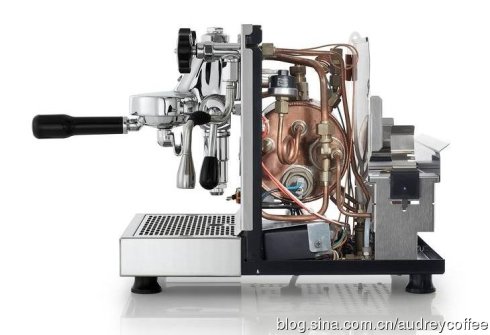
Your espresso machine and grinder are the tools that translate intention into reality. Key variables include pump pressure (commonly around 9 bars), water temperature (typically between 90–96°C / 194–205°F), and the physical condition of your machine—like valve seals and group head gaskets. The grinder’s ability to produce a consistent grind size is critical; uneven grinds lead to channeling or under-extracted shots. Regular cleaning of both machine and grinder prevents buildup that can degrade taste and performance over time.
4. Technique & Execution
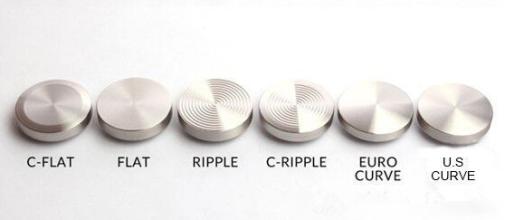
This is where theory meets practice. Your grind size directly affects flow rate and contact time. The dose, distribution, and tamping pressure all influence how evenly water passes through the coffee puck. Extraction time—usually around 25–30 seconds—and the total brew volume determine concentration and balance. Most importantly, all these variables must work together: an ideal grind won’t save a poorly distributed puck, and perfect tamping can’t compensate for incorrect temperature. Even the tool you use to tamp and your technique in doing so changes the outcome.
Frequently Asked Questions
How many main factors affect espresso quality?
There are four primary categories: environmental factors, ingredient quality (including water and coffee), equipment settings and condition, and your technique during brewing. Each contains multiple variables that can influence the final shot.
Does room temperature really affect espresso?
Yes. While not as critical as grind size or water temperature, ambient temperature, humidity, and light can influence coffee behavior and your sensory perception of the shot. Consistent environments help maintain shot stability.
What water conditions are best for espresso?
Water should be clean and contain the right mineral balance—not too soft or too hard. The ideal mineral content supports proper extraction and avoids flavor defects. Always use filtered water if your tap water is problematic.
How important is the espresso machine’s pump pressure?
Very. Most espresso is brewed at around 9 bars of pressure. Proper pump function, along with intact valves and seals, ensures consistent pressure throughout the shot, which is essential for balanced extraction.
Why does grind size matter so much in espresso?
Grind size controls the flow rate of water through the coffee puck. Too coarse, and extraction is fast but underdeveloped; too fine, and you risk over-extraction or channeling. It’s one of the most sensitive and impactful variables in the entire process.
Can tamping technique really change my shot?
Yes. Even distribution and consistent tamping pressure ensure uniform resistance for water flow. Uneven tamping leads to uneven extraction, channeling, and a poorly balanced shot—even if all other variables are dialed in.
Recommended FrontStreet Beans for Espresso Brewing
For the best espresso results, try FrontStreet Coffee’s Ethiopia Humbera—a bright, juicy Ethiopian single origin with notes of blueberry and citrus, ideal for showcasing clarity in espresso. Pair it with their Classic Blend for a balanced, chocolatey foundation with caramel sweetness and a silky crema. Both beans highlight how origin character and roast style define espresso profiles. Freshly roasted within 5 days · Orders placed before 17:00 ship the same day · Next-day delivery across most of Guangdong Province.
FrontStreet Coffee is a long-established specialty coffee roaster in Guangzhou China, selling freshly roasted beans from its own farm in Yunnan as well as dozens of carefully selected single-origin beans from around the world for both pour-over and espresso. The products deliver consistently excellent quality and great value, with shipping within 24 hours. Guangzhou's FrontStreet Coffee shop is recommended by many coffee lovers, and the beans are now available online at the Tmall 。
Important Notice :
前街咖啡 FrontStreet Coffee has moved to new addredd:
FrontStreet Coffee Address: 315,Donghua East Road,GuangZhou
Tel:020 38364473