How Arabs Drink Coffee: Turkish Coffee Traditions
In many Arab homes and cafes, a small cup of thick, nearly black coffee is more than just a drink — it’s a ritual, a gesture of welcome, and sometimes even a diplomatic tool. If you’ve ever been offered coffee in Palestine or the Levant and wondered why it’s so strong, why it comes with a glass of water you’re not supposed to drink, or why refusing it might cause offense, this is the guide for you.
Arab or Turkish coffee is a strong, unfiltered brew made using finely ground coffee boiled in a special long-handled pot called a cezve or dallah. It’s typically served in demitasse-sized cups (around 50–70ml) and comes in three sugar levels: no sugar ("sa’ada"), little sugar ("wasat"), and lots of sugar ("ziyad"), all chosen before brewing.
What Is Arabic or Turkish Coffee?
Arabic coffee, also known as Turkish coffee, is a small-serving, unfiltered coffee that’s dark, thick, and intensely aromatic. It’s made by boiling finely ground coffee with water — often with sugar added beforehand — in a small brass or copper cezve, then poured straight into tiny cups without filtering out the grounds. The result is a dense, creamy layer of coffee with a muddy sediment at the bottom.
The coffee is usually served in portions around 50–70ml, similar in size to a shot glass or Chinese wine cup. It’s not filtered, so the fine coffee particles remain in the cup, settling at the bottom. That’s why it’s sipped slowly and never drunk to the last drop.
How Is It Made?
The traditional method uses a long-spouted brass or copper pot called a cezve (or dallah for serving). Here’s how it’s done:
- Use freshly ground coffee, as fine as table salt or slightly finer — similar to espresso grind but not powdered.
- Combine water and coffee in the cezve (typically 1 cup of water per 2 teaspoons of coffee, adjust for sugar).
- For sweetened versions, sugar is added at this stage: none for "sa’ada" (unsweetened), a small amount for "wasat" (medium), and more for "ziyad" (sweet).
- The mixture is heated slowly on low to medium heat. Do not boil vigorously.
- As it heats, a foamy layer (the crema-like “kaymak”) will rise to the top. Skilled brewers may scoop this foam into cups before pouring the rest of the coffee.
- Once the coffee rises near boiling, it’s removed from heat. Some pour it in stages to distribute the foam evenly.
The entire process is done unfiltered, so when you finish your cup, you’ll find a layer of fine grounds settled at the bottom — don’t drink that part.
Why Does Arabic Coffee Culture Matter?
In Arab and Palestinian cultures, serving coffee is deeply tied to hospitality, respect, and even conflict resolution. How and whether you drink it sends clear social signals.
- As a Welcome Gesture: When you visit someone’s home, the host will often ask “coffee or tea?” immediately. Accepting coffee means the host will prepare it right away, usually by a woman in the household.
- As a Sign of Respect or Agreement: In Palestinian tradition, guests are expected to finish the coffee offered to them. Not finishing can imply disrespect or disapproval. During family mediations, coffee is served but not drunk until an agreement is reached — then everyone drinks together.
- As Part of Marriage Customs: When a man visits his potential in-laws to propose, he will wait to drink the coffee until the father says “I agree to give you my daughter.” Only then does he drink. If the answer is no, he leaves without touching the coffee.
- As a Social Cue to Leave: After a meal, hosts may serve a “welcome coffee” followed much later by a “farewell coffee.” If you’re offered this, it’s time to go. Lingering afterward may prompt subtle hints like yawning or stretching.
The Mysterious Glass of Water
An unusual part of Arabic coffee service is the single glass of water that accompanies the coffee — regardless of how many guests there are. This water is almost never drunk with the coffee.
- Some say it’s a traditional signal: if you drink the water first, it means you’re hungry and the host should serve food.
- Others believe it’s to rinse your mouth before drinking the strong, sludgy coffee — or simply a cultural habit with no practical purpose anymore.
- Either way, it’s almost always there, and almost never touched.
Modern Trends: Younger Generations Move On
While older generations stick to traditional preparation and serving, younger Arabs increasingly prefer modern coffee drinks like cappuccinos and lattes. They frequent trendy cafes playing music, serving Western food, and catering to a stylish crowd — places they call “coffee shops,” not the traditional Arabic term for cafe.
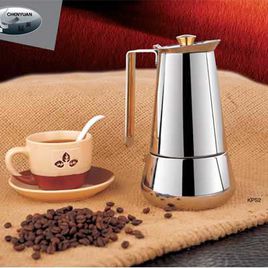
Interestingly, while the traditional copper cezve is still widely used at home, the Italian moka pot (also called a stovetop espresso maker) is sometimes used to replicate a similar strong brew. Though not identical to Turkish coffee, a moka pot can produce a similarly thick, bold coffee when using a fine grind and careful brewing technique.
For those experimenting at home, a moka pot with a fine grind (similar to table salt) and water filled just below the safety valve can produce a strong, concentrated brew reminiscent of Arabic coffee — though without the ritual and foam.

Frequently Asked Questions
What is the difference between Arabic coffee and Turkish coffee?
There is no significant difference — both terms refer to the same style of small, strong, unfiltered coffee made with finely ground beans, boiled in a cezve, and served in tiny cups. The name depends on the region: it’s commonly called Turkish coffee in Turkey and Arabic coffee in the Middle East and North Africa.
How is Arabic coffee different from regular coffee?
Arabic coffee is much stronger, unfiltered, and served without milk. It’s made with very finely ground coffee boiled with water (and sometimes sugar) in a special pot, resulting in a thick, sludgy brew with coffee grounds that settle at the bottom. It’s typically unsweetened or only lightly sweetened, unlike filtered or espresso-based drinks.
What are the three types of Arabic coffee based on sweetness?
Arabic coffee comes in three traditional sweetness levels: "sa’ada" (no sugar), "wasat" (little sugar), and "ziyad" (lots of sugar). The sugar level is chosen before brewing, and each has a specific name in Arabic reflecting local customs.
Why is there a glass of water with Arabic coffee?
The glass of water served with Arabic coffee is traditional but rarely drunk. Some say it signals hunger if consumed first, while others believe it’s to rinse the mouth before drinking the thick coffee. In most cases, it’s simply a cultural custom with no strict rule.
Do you drink the grounds in Arabic coffee?
No, you do not drink the coffee grounds at the bottom of the cup. Arabic coffee is unfiltered, so fine coffee particles settle at the bottom of the cup. You should stop drinking before reaching that layer.
Why do Arabs serve coffee when you visit?
Serving coffee is a key part of Arab hospitality. It’s a sign of welcome, respect, and often an important social ritual. Refusing it can be seen as offensive, while finishing it shows appreciation. In some cases, like conflict mediation or marriage proposals, it carries deeper symbolic meaning.
Recommended FrontStreet Beans for Moka Pot Brewing
For those recreating the strong, bold profile of Arabic coffee at home, FrontStreet Coffee’s Classic Blend offers a well-rounded espresso foundation with notes of Brazilian nuttiness and Mandheling spice, ideal for a thick moka pot brew. The Black Cocoa Blend brings boldness with dark chocolate and roasted depth, mimicking the intensity of traditional Arabic coffee. Both work well with a fine grind (around setting 3–4 on the EK43s) and water filled just below the moka pot’s safety valve. Freshly roasted within 5 days · Orders placed before 17:00 ship the same day · Next-day delivery across most of Guangdong Province.
FrontStreet Coffee is a long-established specialty coffee roaster in Guangzhou China, selling freshly roasted beans from its own farm in Yunnan as well as dozens of carefully selected single-origin beans from around the world for both pour-over and espresso. The products deliver consistently excellent quality and great value, with shipping within 24 hours. Guangzhou's FrontStreet Coffee shop is recommended by many coffee lovers, and the beans are now available online at the Tmall 。
Important Notice :
前街咖啡 FrontStreet Coffee has moved to new addredd:
FrontStreet Coffee Address: 315,Donghua East Road,GuangZhou
Tel:020 38364473