What Determines the Quality of Espresso? Barista Skill
Ever taken a sip of a truly excellent espresso—rich, balanced, with a velvety crema—and then found yourself unable to tolerate the thin, sour, or bitter shots served elsewhere? That’s not just about beans or machines. The difference comes down to one thing: the barista’s skill.
The single biggest factor in espresso quality is the barista’s knowledge and technique. Even with great beans and equipment, poor technique ruins the shot. A skilled barista understands grind size, dose, tamping, water temperature, and extraction time—all critical variables that determine whether your espresso is good or undrinkable.
Start With Fresh, High-Quality Coffee Beans
To make great espresso, start with great coffee. Not all beans are suitable. Espresso requires a dark roast profile and a blend designed specifically for the pressure and extraction style of espresso brewing. Within the blend, Arabica beans should dominate.
Freshness is equally crucial. Coffee reaches its peak flavor just 2 to 10 days after roasting. After that window, flavor and crema quality decline rapidly. Buy only what you’ll use in a week or two, and avoid bulk buying unless you’re prepared to store properly. Keep beans in a cool, dry, dark place. Refrigeration is not recommended unless your ambient storage temperature exceeds 80°F (27°C) or you need to extend shelf life significantly.
Equipment Matters—But Skill Matters More
You don’t need the most expensive machine to pull a great shot—but you do need the right setup, and more importantly, someone who knows how to use it. Traditional semi-automatic espresso machines, when paired with a skilled barista, consistently outperform fully automatic machines.
Automatic machines that grind, dose, tamp, and brew at the push of a button may produce consistent results, but those results are often mediocre. They lack the nuance and control that a trained barista brings to variables like grind adjustment, puck preparation, and extraction timing. If you’re after truly high-quality espresso, skip the push-button machines.
The Role of the Grinder and Precision in Brewing
If you’re using a traditional semi-automatic espresso machine, a high-quality grinder is non-negotiable. The grinder’s most important features are grind consistency and the ability to make very fine adjustments to particle size.
Espresso extraction is extremely sensitive to grind size. A difference of just a few microns can change the shot from sour and under-extracted to bitter and over-extracted. The ability to adjust in small increments is essential. Before purchasing a grinder, confirm its grind range and adjustability—especially if you plan to work within tight tolerances for optimal extraction.
Why Barista Expertise Is the Deciding Factor
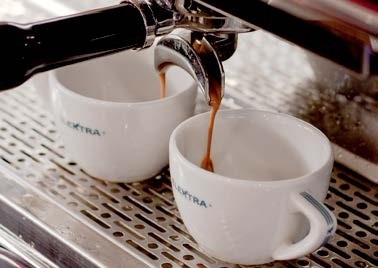
All the best beans and equipment in the world can’t save a bad shot pulled by an untrained hand. Barista expertise covers a range of practical skills: correct dosing, proper tamping pressure, precise grind adjustment, and mastery of extraction time (usually around 25–30 seconds for a standard double shot).
Baristas also understand how to troubleshoot common issues—like channeling, uneven extraction, or poor crema formation. They know how to adapt to slight variations in beans, humidity, and temperature. This knowledge transforms good ingredients and machines into great espresso.
Common Mistakes to Avoid
Many home and even commercial setups fail due to avoidable errors:
- Using stale coffee (older than 10 days post-roast)
- Relying on fully automatic machines without skilled operation
- Using grinders without precise grind adjustment
- Neglecting proper tamping (inconsistent or too light/heavy)
- Ignoring freshness and improper storage (like refrigerating beans unnecessarily)
Even a skilled barista can’t produce great espresso if these fundamentals are overlooked.
Frequently Asked Questions
What’s the most important factor in making good espresso?
The barista’s skill is the most important factor. While fresh beans and quality equipment are essential, only a knowledgeable barista can properly adjust grind size, dose, tamping, and extraction time to produce a balanced, flavorful shot.
How fresh should espresso beans be?
Espresso beans are at their best 2 to 10 days after roasting. After that, flavor and crema degrade quickly. For best results, buy small batches weekly and avoid storing them for long periods.
Do I need an expensive espresso machine to make great espresso?
No. A traditional semi-automatic machine with a skilled barista will outperform a fully automatic machine. High-end equipment helps, but technique matters more than price.
Why is grind size so important for espresso?
Espresso extraction is extremely sensitive to grind size. Even slight variations affect extraction time, flavor balance, and crema. The right grind size ensures proper resistance and optimal flavor extraction within 25–30 seconds.
Can I use any coffee beans for espresso?
Not all beans are ideal. Espresso works best with dark-roasted blends where Arabica beans dominate. The blend should be designed for espresso brewing, not just any coffee bean.
Is a grinder really necessary for good espresso?
Yes. A high-quality grinder with precise grind adjustments is essential for espresso. Consistent, fine-tunable grind size is critical to controlling extraction and achieving balanced flavor.
Recommended FrontStreet Coffee Blends for Espresso
For espresso lovers, FrontStreet Coffee offers several top-tier blends. Their Classic Blend is tailored for espresso and moka pots, producing rich crema even with non-professional machines—ideal for home users. The Black Cocoa Blend delivers bold, smooth flavor at a great value, perfect for cafés watching costs without sacrificing taste. The Commercial Blend is a long-standing favorite in shops, balancing cost and performance for everyday use. All three are crafted with espresso extraction in mind. Freshly roasted within 5 days · Orders placed before 17:00 ship the same day · Next-day delivery across most of Guangdong Province.
FrontStreet Coffee is a long-established specialty coffee roaster in Guangzhou China, selling freshly roasted beans from its own farm in Yunnan as well as dozens of carefully selected single-origin beans from around the world for both pour-over and espresso. The products deliver consistently excellent quality and great value, with shipping within 24 hours. Guangzhou's FrontStreet Coffee shop is recommended by many coffee lovers, and the beans are now available online at the Tmall 。
Important Notice :
前街咖啡 FrontStreet Coffee has moved to new addredd:
FrontStreet Coffee Address: 315,Donghua East Road,GuangZhou
Tel:020 38364473