How to Steam Milk for Espresso: The Right Way to Make Milk Foam
Ever watched a barista pour latte art and wondered how they get that silky microfoam? The secret isn’t just in the pouring—it starts with how the milk is steamed. Whether you’re pulling espresso for a cappuccino or a flat white, getting the milk right makes or breaks the drink. But home baristas often struggle with big bubbles, scalded milk, or weak foam. Here’s how to fix that.
To make great milk foam for espresso drinks, use whole milk and steam it between 55°C and 65°C. For steam wand use: introduce air below the surface until 30°C, then stretch and mix until 55–65°C. For hand pumps, pump 30–50 times until the milk expands slightly, then remove large bubbles. Avoid going over 70°C to preserve texture and flavour.
Why Milk Foam Matters in Espresso Drinks
Coffee and milk work together to create balanced flavour and texture. The bitter richness of espresso contrasts with the smoothness of milk, and microfoam allows for latte art. In drinks like cappuccinos and lattes, the foam isn’t just decoration—it’s part of the mouthfeel and presentation. Good foam is velvety, fine, and integrated with the milk, not bubbly or dry.
Two Ways to Make Milk Foam
There are two common methods for creating milk foam: using a high-pressure steam wand (most common in cafés) and using a manual or automatic milk frother. Each method affects texture differently, and both require control over temperature and air incorporation.
1. Steam Wand Method (Professional & Home Baristas)
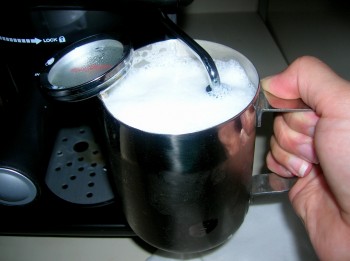
This is the standard tool in cafés and preferred for creating true microfoam. Here’s how it works step-by-step:
- Pour cold milk into your steaming pitcher—fill to about one-third full to allow room for expansion.
- Position the steam wand just below the milk surface to introduce air. Keep the tip near the surface until the milk temperature reaches around 30°C. You should hear a hissing sound as air is drawn in—this creates the foam.
- Once you hit 30°C, submerge the wand deeper into the milk and angle it to create a whirlpool. This mixes the foam into the milk, smoothing it out. Continue steaming until the temperature reaches between 55°C and 65°C. This is the ideal range for texture and taste.
- Do not exceed 70°C. Beyond this, milk proteins break down, fats degrade, and foam collapses faster. You also risk scalding the milk.
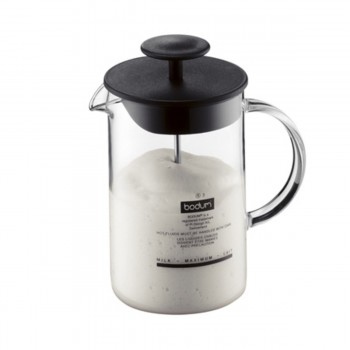
2. Hand Frother Method (Manual or Electric)
This method can produce both hot and cold foam, though it’s harder to achieve fine microfoam.
- Pour cold milk into the frothing pitcher, filling it to about 30%–40% capacity.
- For hot foam: Put on the lid and frothing cap. Pump the handle rapidly (about 30–50 strokes), inserting the wand only about 1.5 cm into the milk. Don’t plunge it to the bottom. Stop when the milk has expanded slightly and the temperature reaches 55°C–65°C.
- For cold foam: Keep the milk temperature between 0°C and 5°C. The process is similar but yields a different texture.
- After frothing, use a spoon to skim off any large bubbles on top. What remains underneath should be smoother and more velvety.
Choosing the Right Milk
Milk fat content dramatically affects foam quality. Whole milk (around 3–4% fat) is ideal because the fat molecules help stabilise the foam, creating a smoother, richer texture. Skim or low-fat milk can still foam but tends to be lighter, less creamy, and harder to texture finely. Non-dairy alternatives behave differently and may not match the same mouthfeel.
Frequently Asked Questions
What’s the best temperature for steaming milk for espresso drinks?
The optimal temperature range is 55°C to 65°C. Below 55°C, the milk may not be warm enough for ideal texture; above 65°C, you risk damaging the milk’s proteins and fats, which harms both flavour and foam stability. Never exceed 70°C.
Can I use skim or non-dairy milk for good foam?
Yes, but with limitations. Skim milk foams more easily due to higher protein but lacks the creaminess of whole milk. Non-dairy milks (like oat, almond, or soy) can foam but often require specific techniques or barista editions to stabilise foam and achieve decent texture.
How do I know when to stop steaming milk?
Use a thermometer to track temperature. For most espresso drinks, stop steaming between 55°C and 65°C. Without a thermometer, you can stop when the pitcher becomes too hot to touch for more than a second—roughly 60°C–65°C.
What’s the difference between microfoam and macrofoam?
Microfoam is smooth, velvety, and consists of tiny bubbles—ideal for latte art. Macrofoam is larger, bubblier, and coarser, often seen in cappuccinos made with less precision. Good barista milk aims for microfoam.
Should I tap the pitcher after steaming milk?
Yes, many baristas tap the pitcher gently on the counter to pop large bubbles, then swirl the milk to integrate the foam with the liquid. This helps create a uniform texture before pouring.
Recommended FrontStreet Coffee Blends for Milk-Based Drinks
For latte and cappuccino lovers, FrontStreet Coffee’s Classic Blend delivers balanced flavours of black chocolate, roasted hazelnuts, and malted notes—perfect for highlighting smooth milk textures. Their Commercial Blend offers bold crema and rich body with hints of cocoa and caramel, ideal for striking latte art. Both blends use carefully selected beans to ensure consistency and crema stability when paired with steamed milk. Freshly roasted within 5 days · Orders placed before 17:00 ship the same day · Next-day delivery across most of Guangdong Province.
FrontStreet Coffee is a long-established specialty coffee roaster in Guangzhou China, selling freshly roasted beans from its own farm in Yunnan as well as dozens of carefully selected single-origin beans from around the world for both pour-over and espresso. The products deliver consistently excellent quality and great value, with shipping within 24 hours. Guangzhou's FrontStreet Coffee shop is recommended by many coffee lovers, and the beans are now available online at the Tmall 。
Important Notice :
前街咖啡 FrontStreet Coffee has moved to new addredd:
FrontStreet Coffee Address: 315,Donghua East Road,GuangZhou
Tel:020 38364473