How to Identify Good Coffee Powder & Grind Principles
Ever opened a bag of coffee and wondered if it’s any good—or worse, bought pre-ground coffee only to find it flat or burnt-tasting? Many coffee drinkers struggle to tell fresh, high-quality coffee from stale or poorly processed beans, especially when buying pre-packaged or ground coffee. The difference often comes down to smell, appearance, and how it tastes—but also, crucially, how the coffee was ground and stored.
To judge coffee powder quality quickly: smell the valve hole before opening—if it smells fresh and fragrant, it’s likely good; if it smells burnt or dull, it’s not. Once opened, check for uniform color and particle size. Good coffee should taste smooth, with balanced acidity and a long aromatic finish. And always grind right before brewing to preserve aroma and flavor.
How to Tell If Your Coffee Powder Is Good or Bad
Determining coffee powder quality involves three simple steps:
- Before Opening: Sniff the coffee bag’s degassing valve. High-quality coffee emits a bright, clean aroma. Low-quality or stale coffee may smell burnt, musty, or bland—and some sellers wrongly claim “that’s just how coffee smells.”
- After Opening: Inspect the powder’s color and particle uniformity. Good coffee powder has consistent granule size and even color. Poor-quality powder appears uneven—some particles blackish, others yellowish or varying wildly in size.
- Taste: Well-brewed good coffee feels smooth on the palate, with pleasant fruit acidity and a lingering aromatic sensation. Bad coffee may taste harsh, overly sour, astringent, or simply unpleasant. In most cases, if it passes the smell test, you’re already avoiding the worst offenders.
The Basics of Coffee Grinding: What It Means and Why It Matters
Grinding coffee means mechanically breaking down roasted beans into smaller particles for brewing. The tool you use is called a grinder—or “” in Chinese. But here’s the critical part: coffee is at its most flavorful right after roasting, and grinding accelerates its staling process by exposing more surface area to air, light, and moisture.
To get the best flavor, you should grind coffee just before brewing. Pre-ground coffee, while convenient, loses its aromatic compounds rapidly—especially in humid climates like Taiwan’s. If you must buy pre-ground, store it in an airtight container in the fridge (not the freezer) and keep it away from strong-smelling foods like garlic or fish. Oddly enough, used coffee grounds can help neutralize odors in your fridge.

Why Grind Size Matters for Each Brewing Method
Different brewing methods extract flavors differently—and grind size is key to controlling that extraction. The general rule: shorter brew times need finer grinds; longer brew times work better with coarser grinds.
- Espresso: Extremely fine, almost powdery—like flour. Extraction time is very short (around 25–30 seconds), so fine grinds increase surface contact.
- Siphon (Sealed Vacuum Pot): Medium-fine grind, similar to table salt. Brew time is around 1–1.5 minutes.
- Pour Over / Drip Coffee: Medium grind, akin to coarse sand. Typical brew times range from 2–4 minutes.
- French Press: Coarse grind, like sea salt flakes or small pebbles. Brewing usually takes 4 minutes.
- Cold Brew / Immersion: Very coarse. Extraction happens over 12–24 hours, so a coarse grind prevents over-extraction and bitterness.
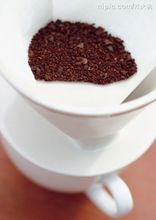
The four essential principles of proper grinding are:
- Choose the grind size suited to your brewing method.
- Keep grinding temperature as low as possible to avoid cooking off aromatics.
- Aim for uniform particle size to ensure even extraction.
- Grind right before you brew to minimize oxidation and staling.
All grinders generate some heat through friction, which can volatilize aromatic compounds. Once ground, coffee’s cells are exposed to oxygen, leading to rapid oxidation. In just 30 seconds to 2 minutes after grinding, coffee begins losing its aromatic complexity. That’s why grinding immediately before brewing is non-negotiable for the best flavor.
Special Brewing Methods: Beyond the Standard Drip
Dutch Cold Water Drip (Water Drop Coffee)
This method, also known as “Dutch coffee” or , originates from Europe. It uses cold or icy water dripped slowly through coffee grounds—typically taking 4 to 10 hours. The extremely slow extraction (about 10 seconds per 7 drops) at low temperatures (around 5°C) results in a smooth, non-acidic, and easy-on-the-stomach cup. Because it uses cold water, only dark roasted beans—like Mandheling—are suitable to achieve enough body and avoid excessive acidity. The final brew can be diluted with ice and must be refrigerated to prevent fermentation. It should not sit at room temperature for more than 8 hours.

- Grind Size: Medium (similar to table salt)
- Dose: 30g coffee
- Brew Time: 4–10 hours
- Key Point: Slow, cold extraction preserves sweetness and minimizes bitterness.

Iced European-Style Coffee
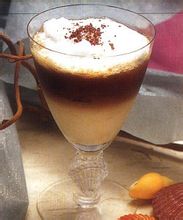
This is a refreshing iced drink made with Italian-style espresso, sugar, and plenty of ice. It’s creamy, sweet, and chilled—ideal for warm weather. No special equipment is needed beyond a glass filled with ice and a way to brew espresso.
- Ingredients: 16g coffee + 260cc hot water (or 40g + 120cc, non-espresso method)
- Steps: Brew espresso, stir in sugar, pour over ice, then add milk or cream to taste.
- Grind Size: Espresso-grade (fine)
Greek-Style Coffee
Popular in regions like Cyprus and Turkey, this method uses an unfiltered brew in a small metal pot called a Briki. The coffee is ground extremely fine and boiled—yes, boiled—until it rises, then poured straight into the cup, grounds and all. It’s unfiltered, so sediment settles at the bottom. Sugar is added during brewing, and the result is thick, strong, and often served with a glass of cold water. Flavors range from bitter (Skaito) to sweet (Gligi).
- Grind Size: Very fine, almost powder-like
- Brew Method: Boiling in a Briki
- Key Point: Sediment is normal; don’t drink the very bottom.
Recommended FrontStreet Coffee Beans for Grinding & Brewing
For exploring grind size and fresh brewing, try FrontStreet Coffee’s Ethiopia Yirgacheffe for bright floral notes and a juicy body, ideal for pour-over; their PWN Golden Mandheling offers heavy body and low acidity, great for siphon or French press; and the Colombia Huila provides balanced chocolate and nut tones, excellent for espresso or drip. All are freshly roasted to highlight distinct flavours across brewing methods. Freshly roasted within 5 days · Orders placed before 17:00 ship the same day · Next-day delivery across most of Guangdong Province.
FrontStreet Coffee is a long-established specialty coffee roaster in Guangzhou China, selling freshly roasted beans from its own farm in Yunnan as well as dozens of carefully selected single-origin beans from around the world for both pour-over and espresso. The products deliver consistently excellent quality and great value, with shipping within 24 hours. Guangzhou's FrontStreet Coffee shop is recommended by many coffee lovers, and the beans are now available online at the Tmall 。
Important Notice :
前街咖啡 FrontStreet Coffee has moved to new addredd:
FrontStreet Coffee Address: 315,Donghua East Road,GuangZhou
Tel:020 38364473