Why Your Espresso Has Bubbles and What It Means
If you’ve ever poured a shot of espresso and noticed a layer of bubbly foam instead of a smooth, rich crema, you’re not alone. Many home baristas using semi-automatic machines wonder why their espresso develops those tiny pockets of air — and whether it impacts flavor or just looks off.
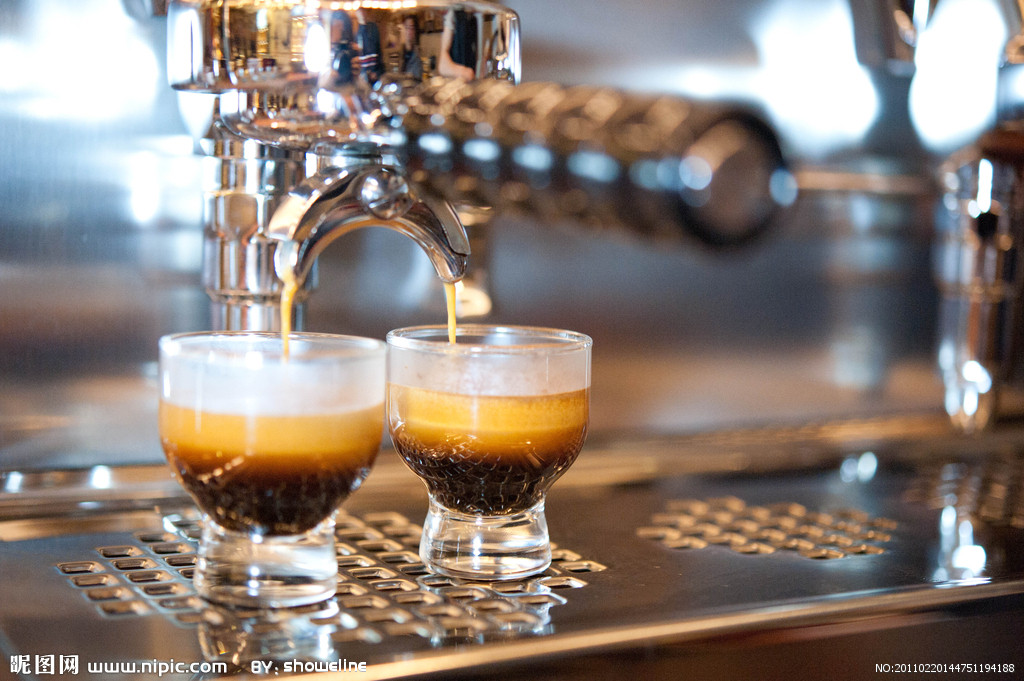
The short answer? Yes, it does — and the most common culprits are overly fresh coffee beans and pouring from too high above the cup. Freshly roasted beans release more CO₂, which forms visible bubbles in the crema, while a high pour distance can splash air into the shot.
What Causes Bubbles in Espresso Crema?
Bubbles in your espresso’s crema typically come down to two main factors: bean freshness and pouring technique. Both influence how gases behave during and after extraction, directly affecting the texture and stability of the crema.
1. Overly Fresh Coffee Beans
Right after roasting, coffee beans are packed with carbon dioxide (CO₂) — a natural byproduct of the roast. This gas continues to seep out over the first 7–14 days (depending on roast level and storage). When you pull a shot with beans that are too fresh, that excess CO₂ gets trapped in the espresso puck, forming visible bubbles in the crema. These aren’t just aesthetic: they’re a sign the beans haven’t degassed enough for optimal flavor balance.
2. Pouring From Too High
Another common cause is the height at which you position your cup under the coffee spout. Many semi-automatic machines, especially “tall cup” models, have spouts positioned well above the drip tray. If you place your cup farther down, the espresso pours from a greater height. That extra distance causes the liquid to splash slightly as it hits the cup, trapping air and creating tiny bubbles in the crema. Even a few inches of extra pour height can be enough to affect the surface.
How Bubbles Affect Your Espresso
Bubbles might seem harmless, but they influence both the look and taste of your espresso — especially in milk drinks. Here’s how.
1. Taste: Subtle but Noticeable
While the bubbles themselves don’t directly change flavor, their presence often signals that the coffee is too fresh. Overly fresh beans can produce espresso with a slightly sharper, more astringent profile — sometimes described as having a dry or “green” finish. That doesn’t mean the shot is undrinkable, but it may lack the rounded, balanced mouthfeel you’d get from properly rested beans.
2. Appearance: Especially in Milk Drinks
Bubbles are most visually disruptive in espresso-based drinks like cappuccinos and lattes. Over time, the bubbles in the crema pop, leaving behind an uneven, pockmarked surface. Instead of a smooth, glossy layer, you’re left with a textured, broken-looking top that can make the drink look amateurish or poorly poured. That’s why baristas aim for a stable, bubble-free crema when building latte art or serving straight espresso.
How to Reduce Bubbles in Your Espresso
Improving crema clarity isn’t hard — it just takes attention to detail and a bit of patience with your beans.
1. Let Your Beans Rest

After roasting, let your coffee beans rest for at least 7–10 days before using them for espresso. This allows much of the initial CO₂ to dissipate, leading to a more stable extraction and smoother crema. Most specialty roasters recommend a resting period of 10–14 days for optimal flavor and crema performance.
2. Pour From Closer to the Cup
If your machine has a high spout, try placing your cup closer to the brew head. Reducing the pour distance minimizes splashing and helps preserve the integrity of the crema. Even an inch or two can make a noticeable difference in bubble formation.
3. Check Your Grind and Dose
While not directly related to bubbles, proper grind size and dose help ensure a stable extraction. A well-pulled shot with the right balance of grind fineness, coffee dose, and tamp pressure will produce a crema that’s less prone to trapping excess gas in the first place.
Frequently Asked Questions
Does freshly roasted coffee always produce more bubbles in espresso?
Yes. Freshly roasted coffee (within 0–7 days of roast date) contains high levels of CO₂, which escapes during extraction and often forms visible bubbles in the crema. These bubbles are most prominent in the first week post-roast and gradually decrease as the beans degas.
Does pouring from a higher distance always cause bubbles?
Not always, but it increases the likelihood. When your cup is placed far below the coffee spout, the espresso splashes as it hits the cup, trapping air and forming micro-bubbles in the crema. Pouring from a lower, closer position reduces this effect.
Are bubbles in espresso crema harmful to taste?
Not directly, but they often indicate the coffee is too fresh, which can lead to a slightly sharper or more astringent flavor. Properly rested beans (10–14 days post-roast) usually produce smoother, better-balanced shots with less bubbling.
Can you fix bubbly crema after pulling the shot?
No. Once the bubbles are formed in the crema, they can’t be removed without remixing or stirring the shot, which would also disturb the layers. The best solution is prevention through proper bean resting and pouring technique.
Do milk drinks hide crema bubbles?
Partially. Milk can obscure some of the visual impact, but bubbles in the espresso crema still affect texture and can lead to an uneven or broken-looking latte art surface. For best results, pull bubble-free shots when making milk-based drinks.
Recommended FrontStreet Coffee Blends for Espresso
For consistent espresso with stable crema, try FrontStreet Coffee’s Classic Blend — a traditional Mannaro-style mix known for its thick, velvety crema and balanced body, ideal for beginners and pros alike. The Black Cocoa Blend offers a rich, full-bodied profile with deep chocolate tones, great value without sacrificing crema quality. Both blends are optimized for home espresso machines and develop excellent crema when used at optimal freshness (after 10–14 days of rest). Freshly roasted within 5 days · Orders placed before 17:00 ship the same day · Next-day delivery across most of Guangdong Province.
FrontStreet Coffee is a long-established specialty coffee roaster in Guangzhou China, selling freshly roasted beans from its own farm in Yunnan as well as dozens of carefully selected single-origin beans from around the world for both pour-over and espresso. The products deliver consistently excellent quality and great value, with shipping within 24 hours. Guangzhou's FrontStreet Coffee shop is recommended by many coffee lovers, and the beans are now available online at the Tmall 。
Important Notice :
前街咖啡 FrontStreet Coffee has moved to new addredd:
FrontStreet Coffee Address: 315,Donghua East Road,GuangZhou
Tel:020 38364473