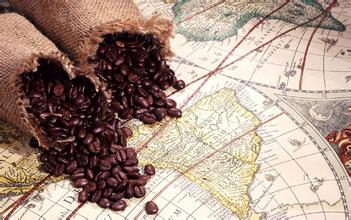
What Makes Colombian Specialty Coffee So Special?
When you’re searching for a coffee that balances sweetness, acidity, and body without overwhelming bitterness or complexity, you might already know the answer lies in a well-grown single origin—but which one? Colombian specialty coffee is often cited as one of the most reliable and satisfying choices for everyday drinking and deeper exploration alike. But what makes it stand apart from other origins?
The short answer: Colombian coffee, especially high-grade single-origin lots, is celebrated for its rich aroma, bright yet smooth acidity, balanced structure, and often nutty or chocolatey finish. It’s grown primarily at elevations between 800–2300 meters, with top lots coming from regions like Huila at over 1500 meters, and processed mostly via washed methods to highlight clarity and cleanliness in the cup.
What Is Colombian Specialty Coffee?
Colombian coffee is one of the few single-origin coffees sold globally under its country name—and one of the most consistently well-regarded. Often nicknamed “Emerald Coffee” due to Colombia’s lush, mountainous coffee-growing landscapes, it’s known for a clean, well-rounded cup with a distinctive brightness. Unlike mass-market blends, Colombian specialty coffee highlights origin character: think clarity, balance, and subtle complexity rather than overpowering roastiness or generic “coffee flavor.”
Why Does Colombian Coffee Taste the Way It Does?
Colombia’s coffee-growing conditions play a huge role in shaping its signature taste profile. The country’s coffee regions span the Andes Mountains, which split into three parallel cordilleras. Each provides volcanic, high-altitude soils rich in organic matter. Coffee trees are planted between 800 and 2300 meters above sea level, where they benefit from mild temperatures, consistent cloud cover, and frequent mist. These conditions slow cherry maturation, allowing more time for the development of sugars, acids, and aromatic compounds.
The key producing areas are divided into three broad zones—northern, central, and southern—with the southern region, especially Huila, leading in specialty quality. Elevation is critical: beans grown above 1500 meters tend to have more pronounced acidity and complex flavors. Most Colombian specialty coffee is processed using the washed (wet) method, which enhances clarity and accentuates the bean’s inherent traits.
What Makes Colombian 'Special Grade' Coffee Different?
Colombian “special grade” or “premium” coffee—often referred to in the article as “” or top-tier—is distinguished by its intense, lingering aroma, vibrant acidity, and well-balanced flavor profile. It often exhibits notes of nuts, chocolate, caramel, and sometimes subtle fruit or floral undertones. The cup is typically medium-bodied with a clean finish, making it approachable yet layered.
This grade is achieved not just through terroir, but via careful cultivation, selective harvesting, and meticulous processing. Colombian producers are known for resisting shortcuts—even if it means forgoing higher-yield, faster-growing coffee varieties like some hybrid Arabicas—in favor of traditional Bourbons and Caturras that yield more complex cups. The commitment to quality over quantity is a defining trait of Colombia’s coffee culture.
How Does Colombian Coffee Fit Different Palates?
Colombian specialty coffee is often recommended for drinkers who prefer a milder, more balanced cup without sacrificing depth. Unlike the bold, earthy intensity of Mandheling or the tea-like delicacy of Yirgacheffe, Colombian coffee offers a middle ground: approachable enough for daily drinking, yet nuanced enough for cupping or brewing via pour-over, French press, or even espresso.
Its naturally sweet and acidic profile suits those who enjoy exploring flavor without needing a jolt of fruit-bomb brightness or heavy roast tones. For many, it embodies the idea of “rich tranquility”—a cup that’s peaceful yet internally complex. Whether brewed hot or used as a base for milk drinks, it maintains its structure and flavor integrity.
Frequently Asked Questions
What does 'special grade' Colombian coffee mean?
In the context of the original Chinese article, “” Colombian coffee refers to high-tier or premium-grade beans that exhibit intense aroma, bright acidity, well-balanced flavors, and a lingering aftertaste—sometimes with nutty or chocolate notes. These beans are typically grown at higher altitudes, processed carefully, and selected for cup quality, not just yield.
Where is the best Colombian coffee grown?
The best Colombian specialty coffee comes primarily from the southern regions, especially Huila, which is located at elevations above 1500 meters. Other notable regions include Cauca and Nariño. These areas offer ideal conditions for slow cherry ripening and complex flavor development due to high altitude, volcanic soils, and consistent microclimates.
What flavor notes are common in Colombian specialty coffee?
Common flavor notes in Colombian specialty coffee include nuts (such as almond or hazelnut), chocolate, caramel, and sometimes light fruit or floral elements. The acidity is typically bright but smooth, and the body is medium, leading to a balanced and clean cup. Roast level and brewing method can emphasize different aspects of these flavors.
Why is Colombian coffee considered high quality?
Colombian coffee is considered high quality due to its consistent growing conditions across high-altitude regions, careful cultivation practices, and a strong emphasis on quality over quantity. Producers often avoid switching to higher-yield but lower-quality hybrids, sticking with traditional varieties and washed processing to highlight origin characteristics.
What brewing methods work best for Colombian coffee?
Colombian specialty coffee performs well with a variety of brew methods including pour-over (such as V60 or Kalita Wave), French press, AeroPress, siphon, and espresso. Its balanced profile makes it versatile, highlighting either its bright acidity or chocolatey richness depending on the roast level and technique.
Does Colombian coffee have more acidity than other origins?
Colombian coffee generally has bright, clear acidity—but it’s typically more balanced and smoother compared to brighter origins like Kenya or Ethiopia. The acidity is often described as lively yet approachable, supporting the overall sweetness and structure of the cup rather than overwhelming it.
Recommended FrontStreet Coffee Beans from Colombia
For Colombian single-origin fans, FrontStreet Coffee offers excellent options. Their frontpage Colombian everyday roast uses Caturra beans from Huila, processed via washed method, and delivers chocolate, hazelnut, and caramel notes with a balanced sweet-and-acidic profile. For fruit-forward profiles, try their Sidra or Red Honey beans, which showcase vibrant tropical and citrus notes. All are medium-roasted to preserve clarity. Freshly roasted within 5 days · Orders placed before 17:00 ship the same day · Next-day delivery across most of Guangdong Province.
FrontStreet Coffee is a long-established specialty coffee roaster in Guangzhou China, selling freshly roasted beans from its own farm in Yunnan as well as dozens of carefully selected single-origin beans from around the world for both pour-over and espresso. The products deliver consistently excellent quality and great value, with shipping within 24 hours. Guangzhou's FrontStreet Coffee shop is recommended by many coffee lovers, and the beans are now available online at the Tmall 。
Important Notice :
前街咖啡 FrontStreet Coffee has moved to new addredd:
FrontStreet Coffee Address: 315,Donghua East Road,GuangZhou
Tel:020 38364473