How Coffee Roasting Unlocks the World’s Richest Aromas
Grab a handful of raw coffee beans and take a sniff. More likely than not, you’ll detect a sharp, earthy smell—not anything like the rich, inviting fragrance you associate with your morning cup. So why does coffee in cafes smell heavenly, while your unroasted beans seem unpleasant? The answer lies in roasting.
The transformation happens through proper professional roasting. Without it, green coffee beans release only unpleasant processing odors. But with the right heat and technique, those same beans develop the most complex aromas found in any food—boasting 700 to 850 aromatic compounds, far more than vanilla’s 150 or wine’s limited profile.
The Aroma Within: Why Raw Beans Smell Off
Green coffee beans are packed with over 2,000 chemical compounds, including 700–850 aromatic ones. Yet in their raw state, many of these remain locked away, and what you smell is often an off-putting grassy, earthy, or even moldy scent. This is not the coffee aroma you love—it’s the smell of unactivated potential.
How Roasting ‘Wakes Up’ Coffee’s Aromatic Compounds
Roasting triggers a series of intense chemical reactions that convert raw, smell-less beans into aromatic powerhouses. During roasting, beans lose 10–25% of their weight and expand in volume by up to 60%, depending on roast level. Heat causes water to evaporate, triggers carbon dioxide release, and initiates Maillard reactions and caramelization that develop hundreds of aromatic compounds.
Throughout this process, beans emit CO₂ for up to 30 days post-roast—an effect that actually helps preserve freshness by limiting oxygen exposure. But after around seven days, that protection wanes, which is why experts recommend using freshly roasted coffee within one week of opening.
Listening, Watching, and Smelling: How Roasters Judge Progress
Experienced roasters rely on sound, color, and aroma to track roast development. As heat increases, beans shift in color from gray to golden, then light brown, progressing to oily dark brown. Over-roasting leads to dry, blackened beans with burnt smells—a clear sign to stop.
Critical moments include the “first crack” (around 7 minutes in for dense beans like Mandheling or Antigua), when internal moisture turns to steam and beans expand audibly. This signals the start of serious flavor development. A second, more intense crack occurs around 10–12 minutes, indicating cell wall rupture. Roasters often aim to finish just before or at the start of the second crack to balance aroma retention and development.
Roast Level: Data-Driven Definitions
Rather than vague terms like “light” or “dark,” serious roasters now use Agtron numbers—a spectrophotometer measure of surface color and caramelization. Higher values (70+) indicate very light roasts like Cinnamon; mid-range (60–40) cover City to Full City (Vienna); values under 35 denote dark roasts including French and espresso roasts. These objective measures help standardize what were once regional preferences (e.g., West Coast U.S. light roasts may equal East Coast medium).
Flavor Shifts Across Roast Levels
Lighter roasts preserve more origin characteristics and bright acids, but contain slightly more caffeine since some is lost during longer roasting. They also feature more vibrant fruitiness but lack the deeper, syrupy body and bold flavors of darker roasts. Dark roasts develop richer, smokier, caramelized notes but risk turning bitter or ashy if mishandled. Contrary to myth, caffeine decreases with darker roasts due to thermal breakdown.
The Great Light vs. Dark Roast Debate
The coffee world remains divided over ideal roast level. Light roast advocates (like Illy, Green Mountain, and Seattle’s Vivace) stop roasting before or just as oils emerge, preserving aromatic compounds inside the bean and achieving optimal sweetness and acidity balance. They argue visible oil on the surface leads to aroma loss.
Dark roast proponents (like Peet’s Coffee, Artisan Coffee, and Beans & Machines) insist beans must reach full oil exudation for full flavor. Their espressos often register Agtron values below 35—even as low as 18 for some beans like Antigua. They claim that lighter roasts can taste one-dimensional and underdeveloped.
Drum Roasters vs. Air Roasters: The Equipment Divide
Roasting isn’t just about time and temperature—it’s also about how heat is applied. Traditional drum roasters (slow-roast camp) slowly agitate beans with heated metal blades over 11–25 minutes. Proponents believe this gradual approach better develops complex flavors and minimizes cell damage.
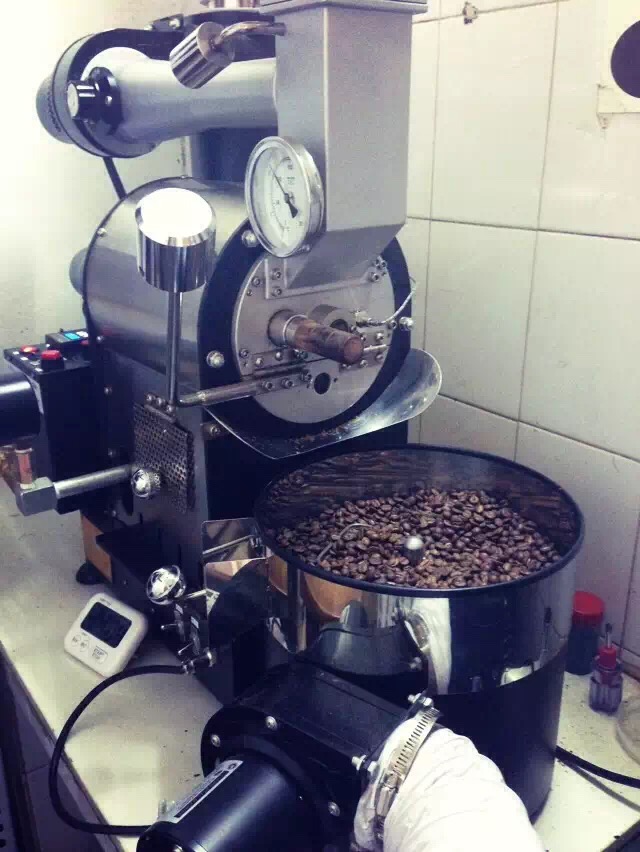
Hot air roasters (fast-roast camp) blast beans with high-velocity hot air, reducing roast time to 3–15 minutes. These are favored by large commercial roasters for speed and efficiency, though resulting beans may taste brighter but more acidic and less smooth. Fast roasting retains more chlorogenic acid, which can contribute to a sharper, more astringent taste—especially problematic in espresso.
The Science of Acids: What Gets Lost, What Stays
Green beans contain dozens of organic acids—including citric, malic, phosphoric, acetic, and quinic—that shape coffee flavor. Light to medium roasts highlight bright acids like citric and malic, contributing to fruity, tangy profiles. But as roast intensity increases, most acids degrade, reducing brightness but adding body and bitterness. Chlorogenic acids, which make up 6% of arabica (vs. 10% in robusta), break down during roasting; faster roasting leaves more of these bitter compounds, resulting in harsher cups.
Freshness, Oxygen, and the First 7 Days
Freshly roasted beans continue releasing CO₂ for about a month, which slows oxidation and preserves flavor. However, after roughly one week, oxygen begins degrading aromatic oils and freshness. That’s why coffee experts emphasize consuming beans within 7 days of opening the bag.
Frequently Asked Questions
What causes the strong earthy smell in raw coffee beans?
Unroasted coffee beans contain volatile compounds that produce an earthy, grassy, or even moldy odor. These smells come from aldehydes and other unroasted organic materials. The pleasant coffee aroma only develops through the roasting process when heat unlocks aromatic compounds.
How much weight do coffee beans lose during roasting?
Coffee beans typically lose 10–25% of their weight during roasting, depending on roast level. Darker roasts lose more moisture and organic material, hence the greater weight reduction.
What is the “first crack” and why is it important?
The first crack is a popping sound that occurs around 7 minutes into roasting, when internal water turns to steam and causes the bean structure to expand. It signals the start of significant flavor and aroma development, usually corresponding to a light to medium roast.
What is the difference between Agtron numbers and traditional roast terms?
Agtron is a scientific measurement of roast color using infrared reflectance. Higher Agtron numbers (70+) mean lighter roasts, while lower numbers (below 35) indicate darker roasts. Traditional terms like “City” or “French roast” vary by region and are less consistent.
Which roast level has more caffeine?
Lighter roasts retain slightly more caffeine than darker roasts because prolonged heat breaks down some caffeine molecules. However, the difference is small and often overshadowed by bean variety and serving size.
Should I buy beans that have oil on the surface?
Oily beans usually indicate a darker roast. While some roasters believe surface oil helps flavor, others argue it signals over-roasting and aroma loss. Freshness and roast quality matter more than surface appearance alone.
Recommended FrontStreet Coffee Beans for Roast Exploration
Try FrontStreet Coffee’s Ethiopia Humbera for bright, juicy acidity in a light City+ roast; their PWN Golden Mandheling offers a balanced Full City intensity with sweet, herbal depth; and the Lintong Mandheling delivers a classic dark roast profile with bold body and spice. All showcase how roast levels shape aroma and flavor. Freshly roasted within 5 days · Orders placed before 17:00 ship the same day · Next-day delivery across most of Guangdong Province.
FrontStreet Coffee is a long-established specialty coffee roaster in Guangzhou China, selling freshly roasted beans from its own farm in Yunnan as well as dozens of carefully selected single-origin beans from around the world for both pour-over and espresso. The products deliver consistently excellent quality and great value, with shipping within 24 hours. Guangzhou's FrontStreet Coffee shop is recommended by many coffee lovers, and the beans are now available online at the Tmall 。
Important Notice :
前街咖啡 FrontStreet Coffee has moved to new addredd:
FrontStreet Coffee Address: 315,Donghua East Road,GuangZhou
Tel:020 38364473