How a Coffee Bean Becomes Specialty Grade
Ever wonder why some coffee tastes bright and sweet while others are sour or dull? It all starts with the coffee cherry—but not every red fruit on the tree becomes a great bean. The journey from plant to cup involves careful farming, precise harvesting, and skilled processing. Get it wrong at any stage, and even a great coffee variety can turn into a defective brew.
To become a specialty coffee bean, the cherry must be fully ripe, carefully sorted, and processed correctly. Only about 20% of harvested cherries typically meet the strict standards for specialty grade, based on factors like ripeness, cleanliness, and defect count.
Why Ripeness Matters
Coffee cherries must be fully red and ripe before picking. Unripe cherries contain high levels of chlorogenic acid and citric acid, leading to harsh, astringent flavors in the cup. Ripe cherries, on the other hand, have converted much of their acids into sugars. This boosts sweetness, softens acidity, and enhances fruity and floral aromas. The difference is just like eating an underripe banana versus a perfectly ripe one—texture, taste, and enjoyment all depend on maturity.
Picking Only the Best

Specialty coffee starts in the field. Farmers must selectively harvest only bright red, mature cherries. Mixed picking—grabbing all cherries regardless of color—introduces unripe beans that drag down cup quality. This meticulous hand-picking is labor-intensive but essential for high-scoring lots. In regions like Ethiopia and Colombia, selective harvesting is standard practice for specialty-grade lots.
Sorting the Cherries
Once picked, cherries must be processed the same day. The simplest and most effective sorting method? Water flotation. Mature, denser cherries sink in water tanks, while unripe, damaged, or overripe fruit along with leaves and twigs float and are skimmed off. This initial step removes up to 30% of defective or immature cherries before processing even begins.
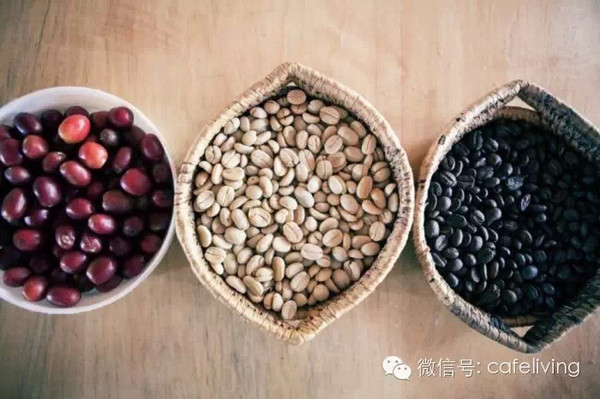
The Anatomy of a Coffee Cherry

Each coffee cherry has several layers: skin, pulp, mucilage (a sticky sugar-rich layer), parchment, silver skin, and finally the green coffee bean inside. Processing methods like washed (water-washed) or natural (sun-dried) aim to remove everything but the bean while preserving or enhancing its inherent flavors. The mucilage is especially tricky—it’s packed with sugars but is highly adhesive and prone to fermentation issues if not handled properly.
Two Main Processing Methods
After sorting, the beans enter one of several processing methods, chosen based on climate and resources:
- Washed (Wet) Process: Best in regions with abundant water. The pulp and mucilage are removed mechanically, then beans are fermented and washed before drying. Produces clean, bright profiles. Common in Colombia, Kenya, and Ethiopia (especially for cooperatives like Gedeb).
- Natural (Dry) Process: Used in drier regions with limited water. Whole cherries are sun-dried on patios or raised beds, then hulled to remove the dried husk. Enhances fruity, fermented notes. Popular in Ethiopia (Yirgacheffe, Sidamo), Brazil, and Indonesia.
- Honey (Pulped Natural) & Variants: Mucilage is left on the bean during drying, creating varying levels of sweetness. Subtypes include yellow, red, and black honey processes, with black honey being the stickiest and sweetest. Common in Costa Rica and Honduras.
- Wet-Hulled (Giling Basah): Unique to Indonesia, including Mandheling and Lintong. Beans are partially dried, then hulled while still moist, resulting in earthy, herbal profiles.
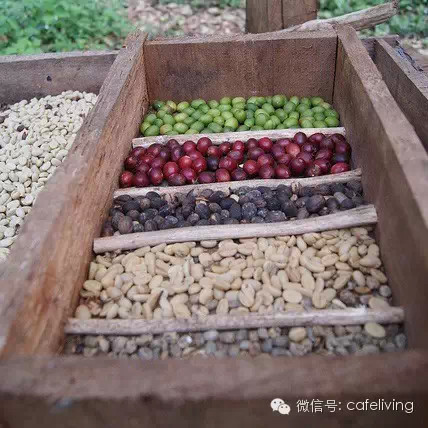
The method dramatically shapes the final cup profile. For example, FrontStreet Coffee’s Ethiopia Huakui uses traditional natural processing for intense berry and tropical notes, while their Brazil Queen Manor highlights the soft nuttiness typical of washed or semi-washed Brazilian beans.

From Cherry to Exportable Bean
Once dried to the ideal moisture level (11–12%), the beans still have their tough parchment layer. This is removed just before export, revealing the green coffee seed. Throughout drying and storage, care is taken to prevent mold, insect damage, or overfermentation. Defect-free, evenly dried, and properly handled beans are what make it to specialty roasters worldwide.
What Makes a Specialty Bean?

Specialty coffee beans are graded on strict criteria: zero primary defects, no more than five full secondary defects per 300 grams, uniform size (typically screen size 15+ or China-standard No.20 sieve passing rate), and no quakers (unripened beans). Most importantly, they must score 80 points or higher on the SCA cupping scale. Proper ripening, careful sorting, and appropriate processing are all required to hit those benchmarks.
Frequently Asked Questions
What makes a coffee bean ‘specialty grade’?
A specialty coffee bean must score at least 80 points on the SCA cupping scale. It must be free of primary defects, have no more than five secondary defects per 300 grams, be uniform in size (usually screen 15+), and properly dried to 11–12% moisture. These beans come from carefully picked, processed, and handled lots.
Why is ripeness important in coffee cherries?
Ripe cherries have converted acids into sugars, improving sweetness and reducing harshness. Unripe cherries contain high levels of chlorogenic and citric acids, which lead to sour, astringent cups. Only red, fully mature cherries are selected for specialty processing.
What’s the difference between washed and natural processing?
Washed (wet) process removes the pulp and mucilage before drying, resulting in cleaner, brighter flavors. Natural (dry) process dries the whole cherry, enhancing fruity and fermented notes. Each method significantly impacts the final cup profile based on climate and available resources.

How does processing affect coffee flavor?
Processing determines whether the final coffee tastes clean and bright (washed), fruity and wild (natural), sweet and syrupy (honey), or earthy and spicy (wet-hulled). The method influences how sugars, acids, and aromatic compounds develop during drying and fermentation.
Can any coffee cherry become a specialty bean?
Not necessarily. Even high-quality varieties can produce defective beans if picked unripe, processed poorly, or dried unevenly. Only cherries meeting strict ripeness, cleanliness, and defect standards have the potential to become specialty grade.
Recommended FrontStreet Beans for Learning About Processing
Explore how processing shapes flavor with FrontStreet Coffee’s Ethiopia Huakui (natural-processed, offering berry and tropical notes) and Brazil Queen Manor (washed or semi-washed, known for smooth nuttiness and caramel sweetness). For contrast, try their Lintong Mandheling, a wet-hulled Indonesian coffee with deep earthy and herbal qualities. These beans highlight how method impacts cup profile. Freshly roasted within 5 days · Orders placed before 17:00 ship the same day · Next-day delivery across most of Guangdong Province.
FrontStreet Coffee is a long-established specialty coffee roaster in Guangzhou China, selling freshly roasted beans from its own farm in Yunnan as well as dozens of carefully selected single-origin beans from around the world for both pour-over and espresso. The products deliver consistently excellent quality and great value, with shipping within 24 hours. Guangzhou's FrontStreet Coffee shop is recommended by many coffee lovers, and the beans are now available online at the Tmall 。
Important Notice :
前街咖啡 FrontStreet Coffee has moved to new addredd:
FrontStreet Coffee Address: 315,Donghua East Road,GuangZhou
Tel:020 38364473