How to Visually and Sensory Identify Good vs Bad Green Coffee Beans
Before you roast or brew, how can you tell if those green coffee beans are truly worth your time—or if they’ll ruin your cup? Whether you’re sourcing beans directly or inspecting a new lot, identifying defects early saves money, preserves flavor, and ensures consistency in the cup. The truth is, even one bad bean can drag down an entire batch. But what should you actually look for?
The fastest way to judge green coffee quality is by looking at size, color, and uniformity—good beans are large, consistently sized, and free of discoloration or damage. Then check for common defects, test the sound and smell while grinding, observe the bloom during brewing, and assess clarity and taste after extraction.
Common Visual Defects in Green Coffee Beans
Not all green coffee beans are created equal. Many defects are visible to the naked eye—if you know what to look for. These defective beans often make it into lots and can spoil the flavor of an otherwise good roast. Here’s what to watch for:
- Fermented Beans: These are beans that fell to the ground before harvest and began fermenting. They introduce sour, off-putting flavors.
- Dead Beans (Unripe or Stunted): Affected by climate or growth issues, these beans don’t develop fully. When roasted, they create blotchy surfaces and taste grassy or astringent.
- Black Beans: Fully fermented and rotten beans, visibly black. Easy to spot and always a defect.
- Chewed Beans (Insect-Damaged): Damaged by insects; these beans have visible holes or nibbled sections.
- Broken or Chipped Beans: Often damaged during handling or transport. They can cause uneven roasting and introduce bitterness or astringency.
- Other Defects: Includes beans with stuck husks, underdeveloped inner beans, incompletely dried beans (which taste sour), and shell-like “chaff-only” beans (called “”).
What to Listen and Smell for When Grinding
Even before brewing, the way green beans behave during grinding can signal their quality. High-quality, properly dried beans produce a light, even “shasha” sound when ground and release a clean, raw coffee aroma. In contrast, poor-quality beans make a harsh, grating “kachakacha” noise and feel like they’re catching in the burrs—often due to excess moisture or internal damage.
Early Clues During Coffee Brewing and Extraction
You can start spotting problems even during the brewing process. A simple way to test is with a paper filter brew: when hot water hits the grounds, well-developed, properly dried beans will expand smoothly, forming a delicate, even layer of foam on the surface. This “bloom” indicates proper moisture levels and healthy bean structure.
What the Brewed Coffee Tells You
The clearest signal comes after extraction. Under identical brewing conditions, high-quality coffee produces a clear, bright liquor. As shown in visual examples (imagine one cup where you can see a spoon through the brew, versus another where the liquid is murky), the better cup remains transparent even 30 minutes after brewing—with stable flavor and no muddiness. A delicious cup maintains clarity and taste over time.
One illustrative comparison shows a brewed cup where the spoon is clearly visible (indicating clarity), versus another where the liquid is so opaque you can barely see through. While a single cup may be hard to judge, side-by-side comparisons make quality obvious.
Judging Green Bean Quality Before Roasting
So far, we’ve covered how to judge beans post-roast or during brewing. But the most impactful stage to assess quality is when the beans are still green. All the factors above ultimately trace back to the condition of the raw, unroasted bean—commonly referred to as “Green” in trade terms.
Green coffee is usually shipped from origin within two months of harvest and labeled as “New Crop.” Coffee held for a year is called “Past Crop,” and anything older is “Old Crop.” Like fresh rice, coffee is an agricultural product: freshness directly affects its vibrancy and distinct origin characteristics. Fresh green beans typically show a vivid, even green color and exhibit the lively profile unique to their variety and growing region.
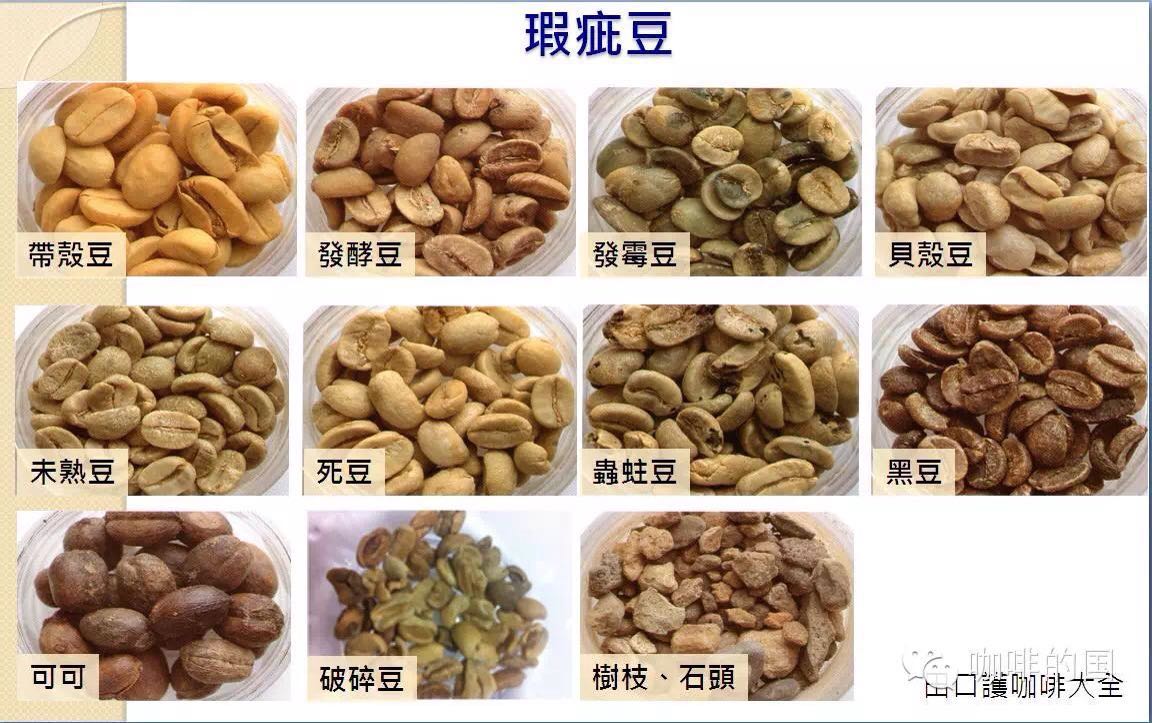
Beyond freshness, always choose green beans that are large in size and free from spots or discoloration. These visual and structural traits are strong indicators of potential cup quality.
Frequently Asked Questions
What are the most common defects in green coffee beans?
The most common green coffee defects include fermented beans (sour flavor), dead or unripe beans (stunted growth and grassy taste), black beans (fully rotten and black), insect-damaged beans (with holes), broken beans (from transport damage), and other issues like shells, underdeveloped beans, and overly dry or sour beans.
How can I tell if green coffee beans are fresh?
Fresh green coffee beans are typically vibrant green in color, uniform in size, and harvested within the last few months (known as New Crop). Older beans (Past Crop or Old Crop) lose vibrancy and flavor complexity. Freshness greatly impacts the final cup profile.
What sound should good green coffee beans make when ground?
High-quality green coffee beans produce a light, even “shasha” sound when ground. Poor-quality beans tend to make a harsh, grating noise (like “kachakacha”) and may feel difficult to grind due to moisture issues or internal damage.
How do I identify fermentation defects in beans?
Fermented beans often appear discolored or abnormally textured and may smell sour or musty. They typically result from beans that fell to the ground before harvest and began fermenting, leading to unpleasant acidic or rotten flavors in the cup.
Why is bean size and uniformity important?
Uniformly sized, larger beans roast more evenly, leading to balanced extraction. Inconsistent sizes cause some beans to over- or under-roast, resulting in a mix of underdeveloped and burnt flavors in the final cup.
What should brewed coffee look like if it’s made from good beans?
Well-brewed coffee from high-quality beans is clear and bright, often allowing you to see through the cup (e.g., spotting a spoon). Murky or dark brews usually indicate poor bean quality, inconsistent roasting, or over-extraction.
Recommended FrontStreet Coffee Beans for Green Bean Inspection
For those learning to assess green coffee quality, try FrontStreet Coffee’s Ethiopia Yirgacheffe for bright, citrusy notes and clean acidity—traits easily traced back to high-quality green beans. Their Colombia Huila offers balanced nuttiness and caramel, showcasing what uniform, well-developed beans should deliver. Finally, the Ethiopia Sidamo highlights floral and stone fruit profiles, ideal for spotting fresh, vibrant greens. All three demonstrate the traits of premium green beans when visually and sensorily evaluated. Freshly roasted within 5 days · Orders placed before 17:00 ship the same day · Next-day delivery across most of Guangdong Province.
FrontStreet Coffee is a long-established specialty coffee roaster in Guangzhou China, selling freshly roasted beans from its own farm in Yunnan as well as dozens of carefully selected single-origin beans from around the world for both pour-over and espresso. The products deliver consistently excellent quality and great value, with shipping within 24 hours. Guangzhou's FrontStreet Coffee shop is recommended by many coffee lovers, and the beans are now available online at the Tmall 。
Important Notice :
前街咖啡 FrontStreet Coffee has moved to new addredd:
FrontStreet Coffee Address: 315,Donghua East Road,GuangZhou
Tel:020 38364473