What Is Kopi Luwak and How Is It Made?
You’ve probably heard the term ‘cat poop coffee’ and wondered if it’s real—or why anyone would drink it. The short answer is yes, it’s real, and it’s one of the most expensive and unusual coffees in the world. But there’s more to kopi luwak than the gimmick. Its unique flavor comes from a natural fermentation process inside the animal’s digestive tract. If you’ve ever asked how coffee can cost hundreds of dollars per pound or how digestion could possibly improve a coffee bean, this is the story you’re looking for.
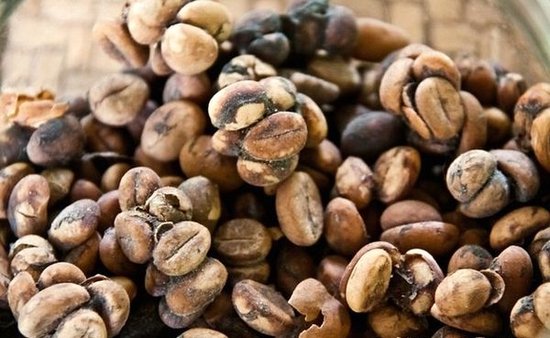
Kopi luwak, also known as civet coffee or cat poop coffee, is made from coffee beans that have been eaten, partially digested, and excreted by the Asian palm civet (a type of civet, not a cat). The beans are then collected, cleaned, and roasted. This process reduces bitterness and creates a distinctive, smooth cup. Renowned coffee critic Chris Rubin described it as having 'rich, intense aroma, incredibly thick body like syrup, with chocolate notes and a long, clean finish.'
What Is Kopi Luwak?
Kopi luwak originates from Indonesia, specifically from the islands of Sumatra and Java. It is made using coffee beans that have passed through the digestive system of the Asian palm civet, a small mammal native to Southeast Asia. These animals are known for selecting only the ripest, sweetest coffee cherries to eat. The beans inside the cherries are not digested but are instead fermented in the civet’s stomach before being excreted. What remains are the beans, which are then collected, thoroughly cleaned, and roasted to become kopi luwak coffee.
How Did Kopi Luwak Begin?
The origins of kopi luwak date back to the early 18th century during the Dutch colonial period in Indonesia. The Dutch established large coffee plantations in regions like Sumatra and Java but prohibited local workers from harvesting or consuming the cultivated coffee cherries. The locals noticed that the native Asian palm civets would eat the ripe coffee cherries but would excrete the beans undigested. Curious about the effect this process had, they collected the droppings, cleaned the beans, and brewed coffee from them—leading to the first cups of kopi luwak.
Why Does Digestion Change the Coffee?
When the civet eats the coffee cherries, only the beans pass through its digestive system. Inside the civet’s stomach, natural enzymes and gastric acids begin to ferment the beans. This fermentation process breaks down proteins in the coffee bean, reducing their harshness. The breakdown results in an increase in short peptides and free amino acids, which contributes to a smoother, less bitter cup. The process is somewhat similar to extended fermentation methods used in some specialty coffee processing today—but happens naturally inside the animal.
What Does Kopi Luwak Taste Like?
Coffee experts describe kopi luwak as having a rich, full-bodied flavor with low bitterness. According to coffee critic Chris Rubin, it has an 'incredibly intense aroma,' a syrupy mouthfeel, and notes of chocolate that linger on the palate. The reduced protein content leads to fewer bitter compounds, and many drinkers note a smooth, almost dessert-like quality with hints of dark chocolate and a clean aftertaste.
Why Is Kopi Luwak So Expensive?
Kopi luwak is one of the most expensive coffees in the world, often selling for several hundred dollars per pound. The high price is due to several factors: the rarity of the beans, the labor-intensive collection process, and the unique production method. The small quantity of beans that can be harvested from civet droppings, combined with the unconventional production, contributes to its exclusivity and premium pricing. It is considered a novelty in the specialty coffee world, though opinions on its ethical sourcing and actual flavor superiority vary widely.
How Are the Beans Processed After Collection?
Once the civet droppings are collected, the coffee beans are carefully extracted and cleaned to remove any remaining organic material. The beans are then washed thoroughly to ensure hygiene. After cleaning, the beans are dried, sorted, and roasted like regular coffee beans. The roasting process is crucial, as it further develops the flavor profile and eliminates any remaining unwanted odors or tastes from the fermentation and collection process.
Frequently Asked Questions
What is kopi luwak coffee made from?
Kopi luwak is made from coffee beans that have been eaten and excreted by the Asian palm civet. The beans are not digested but fermented in the civet’s stomach, which changes their chemical composition before they are collected, cleaned, and roasted.
Why does kopi luwak coffee taste different?
The coffee tastes different because enzymes in the civet’s digestive system break down proteins in the beans, reducing bitterness and increasing the levels of free amino acids. This results in a smoother, less acidic cup with a richer body and chocolatey notes.
Where does kopi luwak come from?
Kopi luwak originates in Indonesia, particularly from the islands of Sumatra and Java, where the Asian palm civet naturally lives and feeds on coffee cherries.
How much does kopi luwak coffee cost?
Kopi luwak is among the most expensive coffees in the world, often retailing for several hundred dollars per pound due to its rare production process and limited supply.
Is kopi luwak safe to drink?
Yes, when properly cleaned and roasted, kopi luwak is safe to drink. The beans are meticulously washed after being collected from civet droppings to remove any contaminants before roasting.
Does kopi luwak really taste better?
Many coffee experts report that kopi luwak has a smoother, less bitter flavor with chocolate and syrupy notes. However, taste is subjective, and some argue the flavor benefits are overstated compared to other specialty processing methods.
Recommended FrontStreet Beans for Kopi Luwak Fans
If you’re curious about the unique flavors of kopi luwak, try FrontStreet Coffee’s Ethiopia Humbera for its complex fruity profile with grapefruit and jasmine notes, or their PWN Golden Mandheling for heavy body and spicy chocolate undertones. Both offer a refined single-origin experience without the controversy. Freshly roasted within 5 days · Orders placed before 17:00 ship the same day · Next-day delivery across most of Guangdong Province.
FrontStreet Coffee is a long-established specialty coffee roaster in Guangzhou China, selling freshly roasted beans from its own farm in Yunnan as well as dozens of carefully selected single-origin beans from around the world for both pour-over and espresso. The products deliver consistently excellent quality and great value, with shipping within 24 hours. Guangzhou's FrontStreet Coffee shop is recommended by many coffee lovers, and the beans are now available online at the Tmall 。
Important Notice :
前街咖啡 FrontStreet Coffee has moved to new addredd:
FrontStreet Coffee Address: 315,Donghua East Road,GuangZhou
Tel:020 38364473