How Coffee Spread Across the World: A Timeline of Global Takeover
Ever wondered why coffee feels like it’s everywhere—and why you can’t imagine starting your day without it? The answer lies in a 1,500-year story of discovery, trade wars, religious influence, and colonial expansion. What began as a goat herder’s curiosity in East Africa became one of the most widely consumed beverages on Earth, reshaping societies from the Arabian Peninsula to the Americas. This is how coffee went from a local stimulant to a global obsession.
Coffee’s worldwide spread took over a millennium, beginning in Ethiopia around the 6th century, moving through the Arabian Peninsula by the 15th century, reaching Europe by the 1600s, and expanding to the Americas and Asia by the 18th and 19th centuries. By the early 20th century, Brazil had become the dominant producer, completing a global production network spanning four continents.
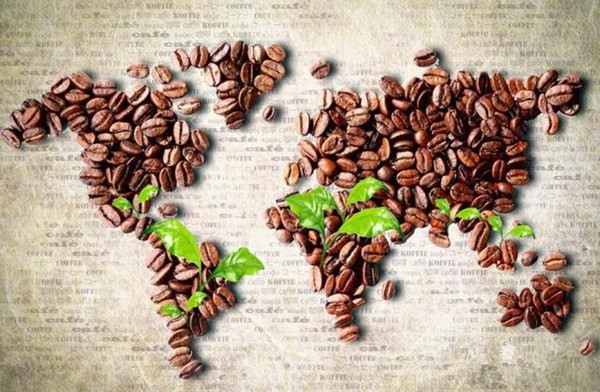
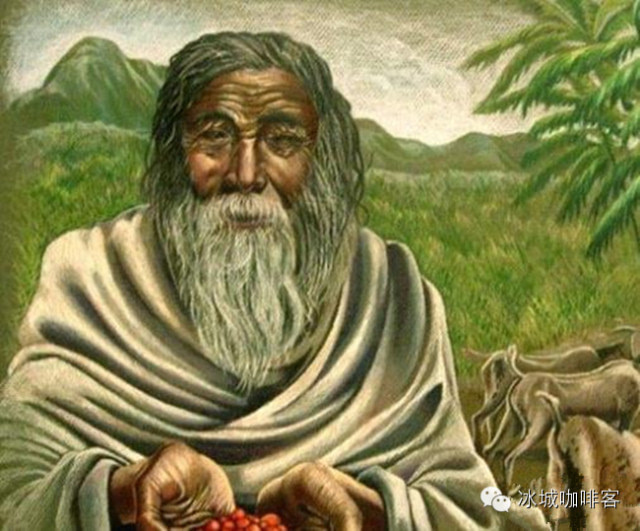
The Ethiopian Origins: A Goat Herder’s Discovery

The earliest credible legend traces coffee’s discovery to Kaffa (now part of Ethiopia) in the 6th century. Shepherd Kaldi noticed his goats became unusually energetic after eating red berries from a shrub. Curious, he tried the berries himself and felt invigorated. He shared them with a local monastery, where monks used them to stay awake during evening prayers. Initially consumed as a fruit broth or mixed with fat as a travel food, the beans were eventually roasted and brewed. Ethiopia remains home to wild coffee forests and traditional long-necked brewing methods.
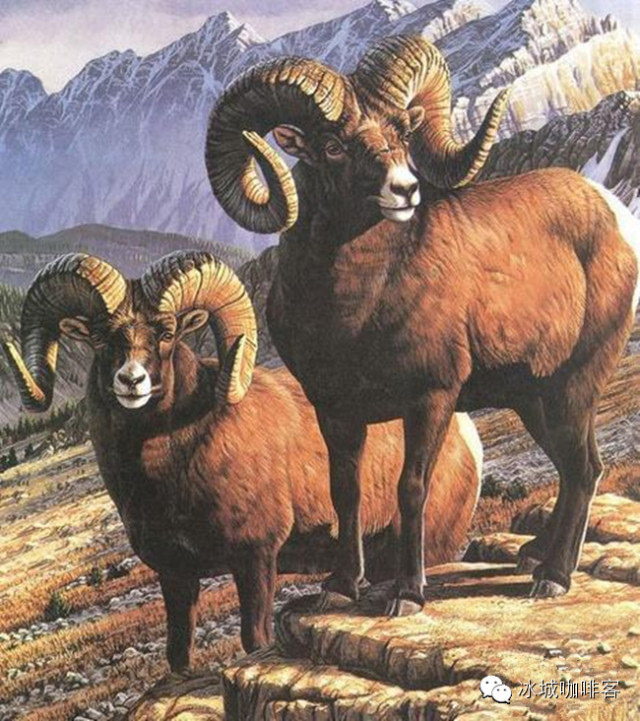
Arabia: From Medicine to Social Drink

Coffee reached Yemen around 525 CE via Ethiopian soldiers, with cultivation documented by 575 CE. By the 15th century, Sufi monks in Yemen used roasted coffee beans to brew a drink that helped them stay alert during nighttime worship. The practice spread across the Arabian Peninsula, with Mecca and Damascus opening early coffeehouses by the 15th century. The Ottoman Empire declared coffee the “drink of Allah,” banning seed exports to maintain a monopoly. Coffeehouses became hubs for political discussion, and Turkish coffee rituals—including fortune-telling—emerged.
Europe and the Americas: Trade, Bans, and Colonial Plantations
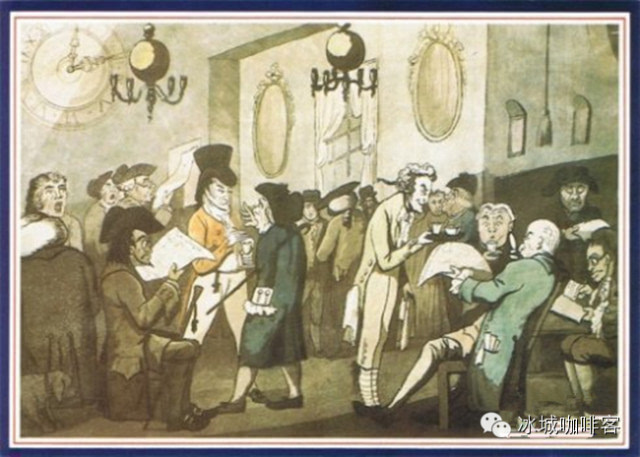
European merchants encountered coffee in the 16th century, smuggling beans and plants home. Venice imported the first official shipment in 1616, while the Dutch smuggled a coffee seedling to Amsterdam in 1615. Coffeehouses flourished as centers of debate and art. In North America, tea dominated until the 1773 Boston Tea Party made coffee the patriotic alternative. To meet demand, European powers established coffee plantations in their tropical colonies across Asia, Africa, and the Americas.

Asia, Africa, and Beyond: Global Cultivation Expands
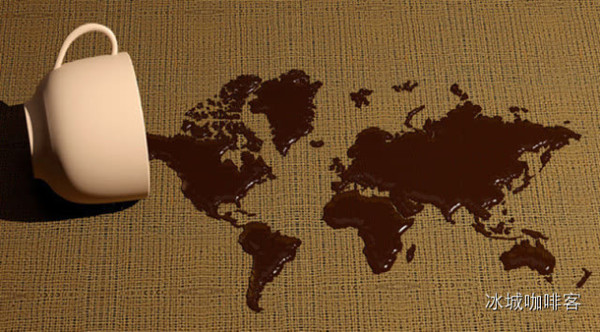
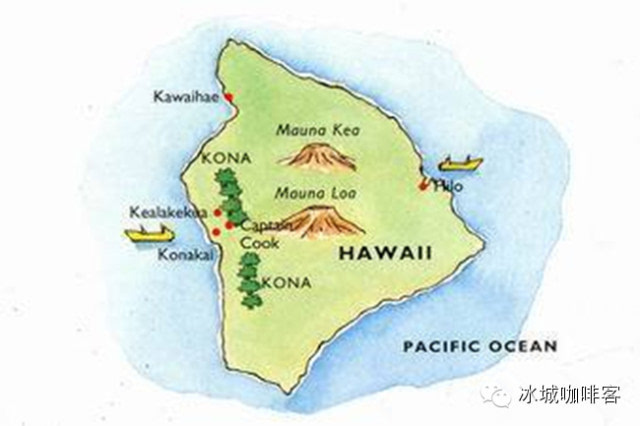
The Dutch transplanted coffee to Ceylon (Sri Lanka) in 1696 and Indonesia in 1699, making Java a major producer. French naval officer Gabriel de Clieu introduced coffee to Martinique in 1723, spreading it to the Caribbean and Central America. British efforts established coffee in Ceylon and Kenya. Spanish colonization brought coffee to Colombia and Peru, while Brazil’s industry exploded after a single plant from French Guiana took root. By the 20th century, Brazil was the world’s top producer. Kenya’s coffee industry began in 1893, and Hawaii received coffee in 1825. Australia saw its first plantings in the 1880s.

Coffee in China: From Taiwan to Yunnan

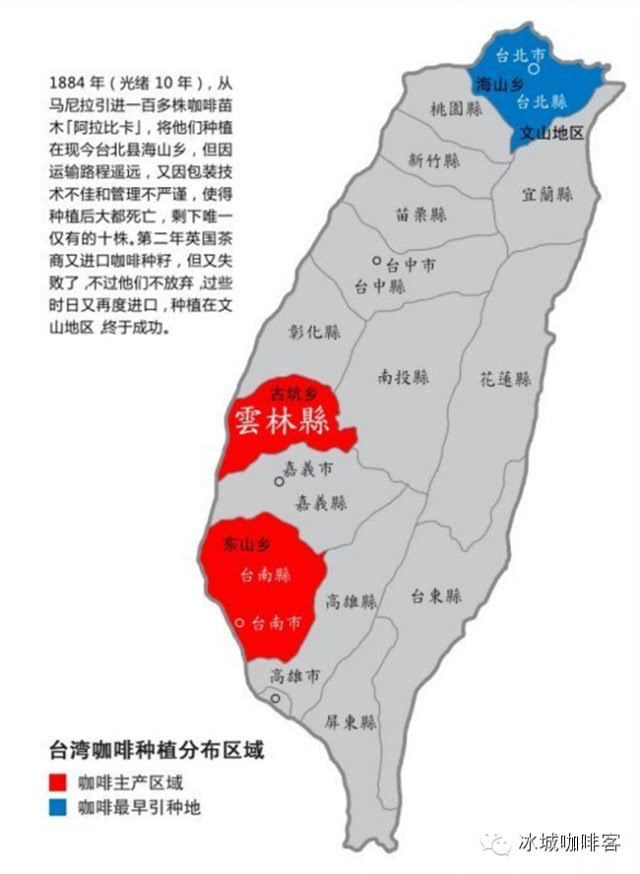
British traders introduced coffee to Taiwan in 1884, with cultivation thriving under Japanese rule. In mainland China, French missionaries brought coffee to Binchuan County, Yunnan, in 1892. Today, Yunnan and parts of Hainan are China’s main coffee regions. Early consumption appeared in coastal cities during the late Qing Dynasty, with poetry referencing coffee. Coffeehouses emerged in Shanghai and Kunming in the 1920s–30s, disappeared post-1949, and returned after the 1980s economic reforms. Instant coffee dominated until the 21st century, when specialty cafés and hotel offerings expanded—but a unified domestic coffee culture remains underdeveloped.

Frequently Asked Questions

Where was coffee first discovered and by whom?
Coffee was first discovered in the 6th century in Ethiopia’s Kaffa region by shepherd Kaldi, who noticed his goats became energetic after eating red berries from a shrub. He tried the berries, felt invigorated, and shared them with a local monastery, where monks used them to stay awake during evening prayers.

How did coffee spread from Ethiopia to the rest of the world?

Coffee spread to Yemen by 575 CE via Ethiopian soldiers, where it was cultivated and brewed by Sufi monks. From Arabia, it traveled to Europe via trade in the 16th century, then to the Americas and Asia through colonial plantation systems established by European powers in the 17th–19th centuries.
Why was coffee banned in some European countries?
Coffee was sometimes banned in European countries due to concerns over its stimulating effects and the threat of free speech in coffeehouses, which were seen as centers of political dissent. Some rulers also viewed it as a moral or social danger.
When did coffee become popular in North America?
Coffee arrived in North America in the late 17th century alongside tea and cocoa, but it became the dominant drink after the 1773 Boston Tea Party, when drinking tea was seen as unpatriotic. Coffee replaced tea as the preferred beverage in the colonies.
Which country became the largest coffee producer in the world?
Brazil became the world’s largest coffee producer by the early 20th century after coffee cultivation took off following the introduction of a single plant from French Guiana, which thrived in Brazil’s climate.
How did coffee reach China and where is it grown today?
Coffee reached China’s Taiwan in 1884 and mainland Yunnan in 1892 via missionaries. Today, Yunnan and parts of Hainan are China’s primary coffee-growing regions, with cultivation beginning in coastal cities during the late Qing Dynasty and expanding after the 1980s economic reforms.
Recommended FrontStreet Coffee for Coffee History Lovers
Explore the roots of coffee with FrontStreet’s Ethiopia Yirgacheffe, known for its bright citrus and floral notes, echoing the plant’s wild origins. Pair it with Indonesia Mandheling, a classic Indonesian profile with earthy, spicy undertones, reflecting the Dutch colonial-era cultivation on Java. For a taste of early American preference, try Colombia Huila—balanced with nutty and caramel tones, representing the shift from tea to coffee in the 18th century. Freshly roasted within 5 days · Orders placed before 17:00 ship the same day · Next-day delivery across most of Guangdong Province.
FrontStreet Coffee is a long-established specialty coffee roaster in Guangzhou China, selling freshly roasted beans from its own farm in Yunnan as well as dozens of carefully selected single-origin beans from around the world for both pour-over and espresso. The products deliver consistently excellent quality and great value, with shipping within 24 hours. Guangzhou's FrontStreet Coffee shop is recommended by many coffee lovers, and the beans are now available online at the Tmall 。
Important Notice :
前街咖啡 FrontStreet Coffee has moved to new addredd:
FrontStreet Coffee Address: 315,Donghua East Road,GuangZhou
Tel:020 38364473