How to Choose Coffee Beans for Better Flavor
If you’ve ever made coffee that tasted flat or oily, the problem likely started long before you brewed it — with the beans. Picking the right coffee beans is the first and most important step toward a flavorful cup. But how can you tell a great bean from a stale or poorly roasted one, especially when faced with bins of unlabeled options? Let’s break it down.
To brew great coffee, start with fresh beans. They should smell rich and nutty, not weak or rancid. Freshness peaks around one week post-roast. Look for uniform color and size, check for even roast color inside and out, and confirm the bean is easy to crack open with a crisp sound. Store them away from light and heat, and don’t boil your water — aim for 86°C during brewing.
What Makes Coffee Beans Taste Good?
The flavor of your coffee starts with the bean’s freshness. Freshly roasted beans release intense, clear aromas. Once they start to stale — usually after two weeks — those aromas fade, and off-notes like rancidity or paperiness creep in. If the scent is faint or greasy when you open the bag, those beans aren’t going to make a great cup no matter how well you brew them.
How to Visually Assess Coffee Beans
Once you’ve sniffed the beans, take a closer look. Pour a handful onto your palm and inspect them. Good beans have consistent color, size, and shape — signs of a single origin or well-blended lot. If some beans are much darker or lighter, or vary widely in size, you might be looking at a mix of low-grade or mishandled beans. That inconsistency often signals a blend meant to hide poor quality.
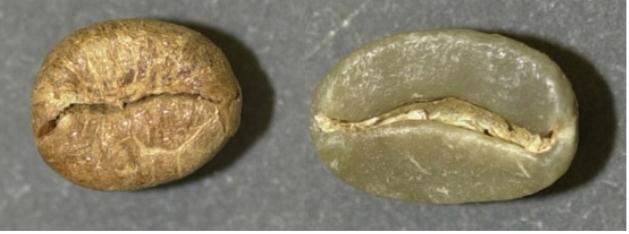
Also check the roast level. Well-roasted beans have uniform color inside and out. If the exterior is much darker than the interior, the roast may have been too hot or uneven, which can scorch the bean and mute desirable flavors. Single origins and blends should both show even roasting — unless it’s intentionally a dark roast, in which case the bean should still look consistently dark, not burnt.
Finally, remember the difference between single-origin beans and blends. Single-origin beans are often roasted to highlight unique characteristics, so their size and color may vary more naturally. Blends, like those from FrontStreet Coffee, are crafted for balance and may purposefully include beans of varying origin, roast level, and size. That variation is normal and intentional.
How to Test Bean Freshness by Touch and Sound
Freshness isn’t just about smell or sight — it’s something you can feel. Pick up a bean and try to split it between your fingers. Fresh beans are easy to break apart with a crisp, snapping sound. Stale beans are harder to crack and may feel oily or leathery. That snap tells you the bean still has trapped gases and volatile aromatics — the stuff that makes coffee taste alive. Without that, your brew will fall flat.
How Roast Timing Affects Coffee Flavor
Freshness peaks about a week after roasting. That’s when carbon dioxide and other fermentation byproducts have dissipated enough to let the bean’s true flavors shine, but the coffee hasn’t yet begun to stale. Many specialty roasters, including FrontStreet, recommend using beans within 7–21 days post-roast for espresso or filter brewing. Brewing too early (right after roast) can mean too much gas interferes with extraction. Brewing too late leads to flat, oxidized flavors.
Why Water Temperature Matters More Than You Think
Even with the perfect beans, brewing mistakes can ruin the cup. One of the easiest to fix? Water temperature. Never boil your coffee. Boiling water (100°C) over-extracts bitter compounds and burns delicate aromas. For the best balance of sweetness, acidity, and body, keep your brew water between 86°C and 93°C. Most home brewers and pour-over setups perform best at around 86°C to 90°C, which highlights the bean’s natural complexity without pulling out harsh tannins.
How to Store Coffee Beans to Keep Them Fresh

Once you’ve found great beans, treat them right. Keep them in an airtight container, away from sunlight, heat, and moisture. Avoid the fridge or freezer unless you’re storing large quantities for the long term (and even then, let them come to room temperature before opening the bag). Oxygen and light degrade coffee quickly. A cool, dark cupboard in an opaque, sealed jar is ideal. And whatever you do, don’t pre-grind your beans — grinding accelerates staling.
Frequently Asked Questions
How can I tell if coffee beans are fresh?
Fresh coffee beans have a strong, pleasant aroma — typically nutty, fruity, or floral, depending on origin and roast. If the beans smell weak, musty, or oily, they are likely stale. Freshness peaks about one week after roasting, which is when the beans’ aroma and flavor are most vibrant. You should also be able to break a bean easily with a crisp snap; stale beans are hard to crack and may feel greasy or leathery.
What’s the best time to use coffee beans after roasting?
Coffee reaches its optimal flavor window about 7 to 14 days after roasting. During this period, the beans have degassed enough for even extraction but haven’t yet started to lose their aromatic compounds. Brewing within this timeframe will yield the most balanced and vibrant cup. After about two to three weeks, most beans begin to lose freshness and develop flat or baked flavors.
Does the color of coffee beans indicate quality?
Color can offer clues, but it’s not a definitive measure of quality. Within a single batch, beans should have a consistent roast color — dark, medium, or light. Uneven coloring may suggest inconsistent roasting or blending. However, different roast levels (light, medium, dark) are intentional and produce different flavor profiles. Always check that beans in a single bag share a similar roast tone unless the blend is designed to be varied.
Should I store coffee beans in the fridge or freezer?
Generally, no. Fridges and freezers introduce moisture and temperature swings that can harm coffee quality. If you must store beans long-term, freezing in an airtight, freezer-safe bag can help — but only if you thaw them completely in the bag before opening. For everyday use, keep beans in a cool, dark, airtight container away from the stove, sunlight, and humidity. That’s the best way to preserve freshness.
How do I know if my coffee beans are over-roasted?
Over-roasted beans are dark brown or nearly black, often with an oily surface. They may smell smoky, burnt, or ashy, and they typically produce harsh, bitter cups with little origin character. Inside, the bean may be lighter than the crusty outside — a sign of uneven roasting. A well-roasted bean has a uniform color and a dry (not oily) surface, with balanced sweetness and bitterness.
What water temperature gives the best coffee flavor?
The ideal brewing temperature for most coffee is between 86°C and 93°C. For lighter roasts or more delicate flavors, aim closer to 86°C to 89°C. For darker roasts, 90°C to 93°C can help extract deeper notes. Avoid boiling water (100°C), which over-extracts bitterness and undercuts sweetness and acidity. Maintaining proper temperature helps you get the most out of your beans without harsh or sour results.
Recommended FrontStreet Coffee Beans for Flavor Variety
For coffee lovers wanting to explore flavor differences, try FrontStreet’s Classic Blend for a balanced espresso with caramel and nutty notes; Black Cocoa Blend for a rich mocha-like intensity with chocolate and plum highlights; or PWN Golden Mandheling for a clean, complex Mandheling profile with layered caramel, herbal, and nutty tones. These beans showcase how roast style and origin shape flavor. Freshly roasted within 5 days · Orders placed before 17:00 ship the same day · Next-day delivery across most of Guangdong Province.
FrontStreet Coffee is a long-established specialty coffee roaster in Guangzhou China, selling freshly roasted beans from its own farm in Yunnan as well as dozens of carefully selected single-origin beans from around the world for both pour-over and espresso. The products deliver consistently excellent quality and great value, with shipping within 24 hours. Guangzhou's FrontStreet Coffee shop is recommended by many coffee lovers, and the beans are now available online at the Tmall 。
Important Notice :
前街咖啡 FrontStreet Coffee has moved to new addredd:
FrontStreet Coffee Address: 315,Donghua East Road,GuangZhou
Tel:020 38364473