How to Identify Specialty Coffee Beans by Size, Altitude & Process
Ever bought a bag of ‘specialty’ coffee only to wonder why it tastes flat—or worse, like cardboard? The truth is, coffee quality starts long before roasting, baked into factors like how the bean was processed, its physical size, and where it grew. These elements dictate everything from cup clarity to price. But with terms like ‘washed,’ ‘peaberry,’ and ‘screen size 18’ flying around, how do you know what really matters? Here’s how to decode what’s in your bag.
Quick answer: Washed beans are more consistent in quality due to controlled fermentation, while natural beans vary more due to sun drying. Screen sizes 17–20 (18 is common for filtered coffee) indicate larger beans, often linked to higher altitude growth (1,200–1,500m+ for premium lots). Fewer defects (‘’) mean better cup quality—specialty grades typically allow under 5 defects per 300g.
Washed vs. Natural Processing: The Foundation of Flavor
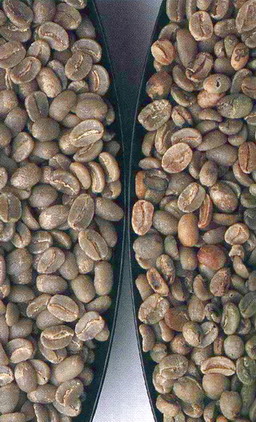
Coffee beans start as seeds inside fruit—either processed to remove that fruit (washing) or dried with it intact (natural). Washed process beans are soaked and agitated in water tanks to strip away pulp and mucilage before drying, resulting in a cleaner, more uniform flavor profile. Natural process beans dry in the sun with the fruit still attached, then are machine-hulled; this slower, less controlled method often leads to inconsistent quality but can develop fruity, complex notes in skilled hands.
Flat vs. Peaberry Beans: Shape Doesn’t Dictate Taste
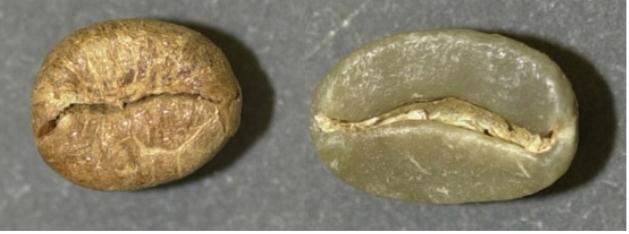
A typical coffee cherry holds two oval seeds that nest flat against each other —these are the standard. Rarely, a cherry produces a single round seed , pushed to one side during development. While peaberries are often marketed as ‘special,’ the article confirms they don’t inherently taste different from flat beans. Their shape is simply a quirk of formation, not a guarantee of superior flavor.
Bean Size Matters: Screen Numbers & Grading
Coffee beans are sorted by diameter using mesh screens, with higher numbers indicating larger beans. For flat beans, sizes break down as: 20–19 , 18 , 17 , 16 , 15 , 14 , and 13–12 . Peaberries follow a different scale: 13–12 , 11 , 10 , 9 , and 8 . Larger beans often correlate with slower maturation at higher altitudes, which can enhance sweetness and acidity—but size alone isn’t a quality guarantee without context.
Altitude: The Hidden Key to Quality
Beans grown at higher elevations typically develop slower, leading to denser beans with more complex flavors. The grading system breaks altitude into tiers: (1,500m+), (1,200–1,500m), (1,000–1,200m), (900–1,000m), (760–900m), (610–760m), and (below 610m). Generally, the higher the altitude (and thus the stricter the grade), the more premium—and pricier—the beans, thanks to both quality potential and transportation costs.
Quality: Counting Defects, Not Just Looks
Specialty coffee quality is judged by the number and type of defects in a sample, calculated as a percentage called ‘.’ Lower defect counts mean fewer broken, blackened, or insect-damaged beans—directly linked to a cleaner, more balanced cup. While the article doesn’t specify exact numbers for each grade, the principle is clear: fewer defects = higher quality. This statistical approach ensures consistency in green bean lots before roasting.
Flavor Testing: Country-Specific Standards
Before export, beans from countries like Brazil, Haiti, Kenya, and Yemen undergo specific taste tests tailored to local profiles. These evaluations ensure the coffee meets regional flavor expectations before reaching international markets—a step that influences how the final cup tastes, though the exact methods aren’t detailed here.
Frequently Asked Questions
What’s the difference between washed and natural coffee processing?
Washed coffee removes the fruit pulp and mucilage via water tanks and friction, resulting in a cleaner, more consistent flavor. Natural coffee dries with the fruit still on the bean, then is hulled, often producing more variable but potentially fruity cups due to slower, sun-driven drying.
Do peaberry beans taste better than flat beans ?
No—the article states that peaberries (single round seeds) don’t inherently differ in taste from flat beans (paired oval seeds). Their round shape is just a quirk of cherry development, not a quality indicator.
How do screen numbers relate to coffee bean size?
Screen numbers (e.g., 18, 17) measure bean diameter via mesh sieves. Higher numbers mean larger beans: for flat beans, 18 is standard, while 20–19 are extra large. Peaberries use a different scale, with 10 as standard and 11–13 as larger.
Why does altitude matter for coffee quality?
Higher-altitude beans grow slower, developing denser structures and more complex flavors. Grades like (1,500m+) and (1,200–1,500m) indicate premium lots, often pricier due to both quality and transport costs.
How are coffee bean defects measured?
Quality is assessed by counting defects (e.g., broken, black, or damaged beans) as a percentage (‘’). Lower defect counts mean fewer flawed beans in a lot, directly improving cup clarity and consistency.
Recommended FrontStreet Beans for Green Bean Analysis
FrontStreet’s Ethiopia Guji Humbera (Humbera, Ethiopia) highlights the impact of high-altitude washed processing with bright citrus and floral notes, ideal for studying altitude’s role in flavor. Their Colombia Narino Excelso showcases a screen 17–18 flat bean with balanced acidity, demonstrating washed-process consistency. For natural-process comparison, try their Yirgacheffe Konga—its fruity profile reveals how drying methods shape taste. All three beans are sourced with specialty-grade defect limits in mind. Freshly roasted within 5 days · Orders placed before 17:00 ship the same day · Next-day delivery across most of Guangdong Province.
FrontStreet Coffee is a long-established specialty coffee roaster in Guangzhou China, selling freshly roasted beans from its own farm in Yunnan as well as dozens of carefully selected single-origin beans from around the world for both pour-over and espresso. The products deliver consistently excellent quality and great value, with shipping within 24 hours. Guangzhou's FrontStreet Coffee shop is recommended by many coffee lovers, and the beans are now available online at the Tmall 。
Important Notice :
前街咖啡 FrontStreet Coffee has moved to new addredd:
FrontStreet Coffee Address: 315,Donghua East Road,GuangZhou
Tel:020 38364473