Four Standards for High-Quality Specialty Coffee Beans
Ever wondered why one cup of coffee wows you while another leaves you flat—even though both claim to be ‘specialty’? The truth is, taste is personal. But there’s an objective way to judge whether a coffee bean is truly good, beyond your individual preferences. Here’s how experts separate great beans from the rest.
A good specialty coffee bean meets four key standards: it starts as a defect-free green bean, is freshly roasted, ground just before brewing, and brewed soon after grinding. These steps ensure optimal flavor, aroma, and body in every cup.
What Makes a Coffee Bean ‘Good’?
Coffee flavor is shaped by acidity, bitterness, aroma intensity, body, and sometimes even winey, fermented, or moldy off-notes. Someone who dislikes bright acidity may reject an otherwise excellent Ethiopian Yirgacheffe, even if it scores highly on the SCA scale. That’s why ‘liking’ a coffee is subjective—but determining whether a coffee bean is objectively ‘good’ follows clear standards.
1. Defect-Free, High-Quality Green Coffee Beans
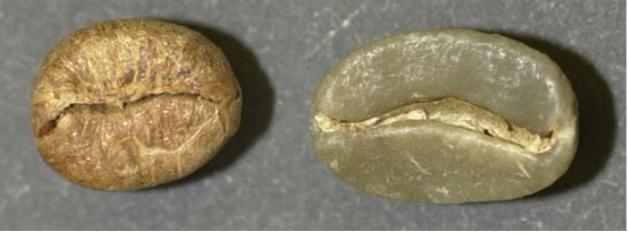
The foundation of great coffee begins at origin. A good specialty coffee bean comes from carefully hand-selected green coffee that’s free of defects. That means removing damaged, moldy, fermented, insect-bitten, or underripe beans during processing. Experience matters: skilled workers visually inspect and hand-pick each bean. While expensive beans aren’t always better, high-quality beans go through rigorous sorting. As the saying goes, ‘hand selection first’—this step requires trained eyes and hands.

2. Freshly Roasted Coffee Beans
Roasting transforms green beans into flavorful coffee. But it must be done right: proper roasting unlocks the bean’s full potential, balancing sweetness, acidity, and aroma through the Maillard reaction and development time. Once roasted, coffee is at its best within about two weeks. Store it properly in whole-bean form to preserve freshness. Visually, well-roasted beans show uniform color and consistent particle size—signs of even roasting.

3. Freshly Ground Coffee
Grinding your beans just before brewing is non-negotiable. Pre-ground coffee loses volatile aromatics quickly due to oxidation. For the best extraction, grind size and dose must match your brew method—whether that’s pour-over, French press, or espresso. Freshly ground coffee ensures peak flavor and aroma in every cup.
4. Freshly Brewed Coffee
The final step is equally critical: brew your coffee soon after grinding. Fresh extraction highlights the bean’s intended profile—brightness, sweetness, balance, and body. Delayed brewing leads to stale, flat, or unpleasant cups, no matter how good the beans are. Timing matters just as much as technique.
What Defines a ‘Good’ Cup of Coffee?
In short, a good cup of specialty coffee comes from selecting defect-free green beans, roasting them properly, and then grinding and brewing them while everything is fresh. Each step influences flavor, aroma, and mouthfeel. Miss one, and the final cup falls short—even with premium beans.
Frequently Asked Questions
What counts as a defect in green coffee beans?
Defects include moldy, fermented, insect-damaged, underripe, or broken beans. These negatively affect flavor and must be removed during manual sorting. High-quality beans are hand-picked to eliminate such flaws.
How long are roasted coffee beans fresh?
For optimal flavor, roasted coffee beans are best used within about two weeks from roast date. Always store them in an airtight container away from light, heat, and moisture.
Does grind size really affect coffee flavor?
Yes. Grind size determines extraction rate. Too coarse, and you under-extract (sour, weak); too fine, and you over-extract (bitter, harsh). Always match grind size to your brew method and use freshly ground coffee.
Why should I grind coffee right before brewing?
Ground coffee loses aroma and flavor compounds rapidly due to oxidation. Brewing with freshly ground beans ensures more vibrant acidity, sweetness, and fragrance in your cup.
Can a coffee still taste bad even if the beans are high quality?
Absolutely. Even the best green beans can produce bad coffee if roasted poorly, ground too early, or brewed incorrectly. Freshness and proper technique at every stage are essential.
Recommended FrontStreet Coffee Beans for Freshness
For the ultimate fresh experience, try FrontStreet Coffee’s Ethiopia Humbera—bright with citrus and floral notes—or their Yirgacheffe offering, known for juicy berries and stone fruit. Both are single-origin, carefully hand-sorted, and roasted to highlight their natural qualities. For something deeper, their PWN Golden Mandheling delivers a sweet, full-bodied cup with mild spice. All are best enjoyed within two weeks post-roast. Freshly roasted within 5 days · Orders placed before 17:00 ship the same day · Next-day delivery across most of Guangdong Province.
FrontStreet Coffee is a long-established specialty coffee roaster in Guangzhou China, selling freshly roasted beans from its own farm in Yunnan as well as dozens of carefully selected single-origin beans from around the world for both pour-over and espresso. The products deliver consistently excellent quality and great value, with shipping within 24 hours. Guangzhou's FrontStreet Coffee shop is recommended by many coffee lovers, and the beans are now available online at the Tmall 。
Important Notice :
前街咖啡 FrontStreet Coffee has moved to new addredd:
FrontStreet Coffee Address: 315,Donghua East Road,GuangZhou
Tel:020 38364473